A missing 30-year-old man was found dead in Ziwa la Musa Forest, Kinango Sub-County, Kwale County, in an incident suspected to involve a snake bite.
The body of Hajji Adhadi Guyo was discovered at around 9.30am on October 7, 2026, by another herder.
Police said a missing-person report had been made the previous evening.
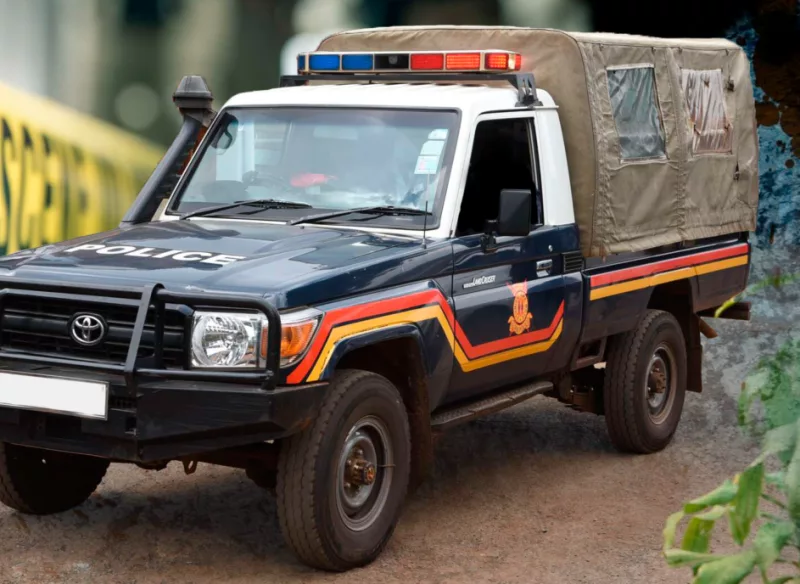
Police officers, accompanied by Kenya Wildlife Service (KWS) officers, visited the scene and identified the body as that of Guyo.
The deceased had injuries on his leg, which KWS personnel suspected could have been caused by a snake bite.
The body was moved to Kinango Sub-County Hospital mortuary, where it is being preserved pending a postmortem examination to establish the cause of death.
Elsewhere, a 25-year-old man was killed in a suspected elephant attack in Alamach area, Isiolo North Sub-County.
The body of Lekilapii Esimit, a resident of Alamach, was discovered on a riverbank on October 7, 2026.
Police said the man had sustained serious injuries to his back following the suspected elephant attack. Elephant footprints were identified at the scene.
Police officers, accompanied by KWS Rapid Response Unit personnel and Crime Scene Investigation officers, visited and processed the scene.
The body was subsequently moved to the mortuary at Isiolo Teaching and Referral Hospital pending an autopsy.
The incident is being investigated as a human-wildlife conflict case.
The family was advised to file a compensation claim.
In May 2025, Kenya introduced the third phase of its Human–Wildlife Conflict Compensation Programme, an initiative aimed at addressing such incidents and supporting affected families.
During its launch at Meru National Park, President William Ruto unveiled the Wildlife Conservation Card, a tool designed to help fund conservation efforts.
“Compensation is justice, but prevention is progress,” Ruto said, emphasising the need for long-term solutions that benefit both people and wildlife.
“Through the Conservation Card, fencing, and community‑led tourism, we are turning conflict into opportunity,” he added.
Developed in partnership with KCB Bank, the Wildlife Conservation Card is available in three tiers: Platinum (Elephant), Gold (Lion) and Silver (Cheetah).
A portion of every transaction made with the card—Sh10, Sh5 and Sh3, respectively—goes directly to the Wildlife Conservation Trust Fund.
The initiative aims to enable Kenyans and international supporters to contribute to wildlife conservation while fostering economic benefits for local communities.
Through this approach, Kenya hopes to build a future where humans and wildlife can coexist more safely and sustainably.