The government has started relocating over 20 families who were displaced by landslides in Kangema in 2024, with the affected residents set to be moved from ACK Kiarathe Church to a safer ground.
About 20 acres have been identified at Karurumo, where the families will be resettled once the government completes the payment process for the land.
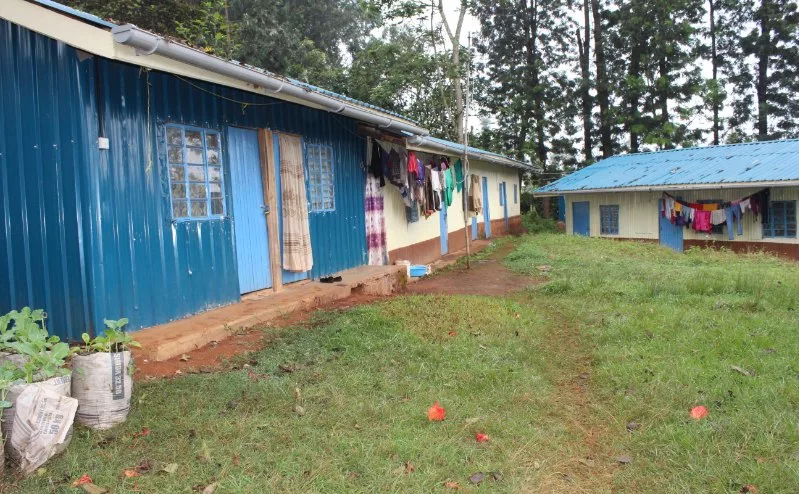
The families have been living at the church for about one and a half years after they were moved from Muchocho and Kahindu areas that were declared unsafe because of continued earth movements.
“We have insisted that they should not go back to the villages because they are risky to live in. We have been following up with the Ministry of Lands to see how we can relocate them,” Kangema MP Peter Kihungi said.
He said finding suitable land had been a challenge because the government wanted to relocate the families together while keeping them within an environment they were familiar with.
The MP said the identified parcel at Karurumo was now at the procurement stage, after which the government will pay for the land and begin surveying and demarcating the settlement.
The families were displaced after heavy rains triggered landslides and earth movements in parts of Kangema during the April-May 2024 rainy season, damaging homes and farms and forcing residents in high-risk areas to seek shelter elsewhere.
A geological assessment conducted by the State Department for Mining last year found the affected area highly seismic and susceptible to catastrophic earth movements.
The assessment established that the local rock and soil formation was prone to movement when the ground became saturated, prompting the government to recommend permanent relocation of affected residents.
The assessment involved examining areas affected by the earth movements, interviewing residents and taking soil and rock samples for testing.
It also recommended tree planting and terracing in sloping areas to help stabilise the soil, reduce erosion and control surface water.
The government had earlier deployed geologists to Kangema and other landslide-prone areas of Murang’a following the heavy rains, with the assessments intended to guide decisions on the safety of residents living in affected zones.
Kihungi said the relocation programme had involved both the national and county governments, with the Ministry of Lands handling the acquisition of the new settlement while the county government coordinated much of the support provided to the affected families.
He said the Department of Special Programmes provided iron sheets, while additional support from the President and well-wishers enabled the construction of houses for the displaced families at the church compound.
The houses cost about Sh4 million and comprise a bedroom, kitchen and other basic facilities, while Kahuti Water Company connected the settlement to free water.
Kihungi said about 20 families were accommodated at the church, while some affected households moved in with relatives because the available space could not accommodate everyone.
The MP urged residents in other landslide-prone parts of Kangema to remain vigilant as the October-December rains approach, particularly those living in the upper areas of Karurumo and Ichichi.
“My request is that when El Nino starts, if people see any signs of danger, especially in the upper areas of Karurumo and Ichichi, they should inform us. I will work with the government to ensure there are no fatalities,” he said.
Murang’a has experienced recurring landslides and earth movements, particularly in hilly areas, during periods of heavy rainfall.
The government has previously identified Kangema, Kahuro, Mathioya, Kigumo and Gatanga among areas requiring close monitoring because of their vulnerability to landslides.
Kihungi said two families affected by an earlier landslide in Karurumo in 1997 during another El Nino episode would also be considered for relocation, saying the history of earth movements in the area made it necessary to move vulnerable households to safer grounds.