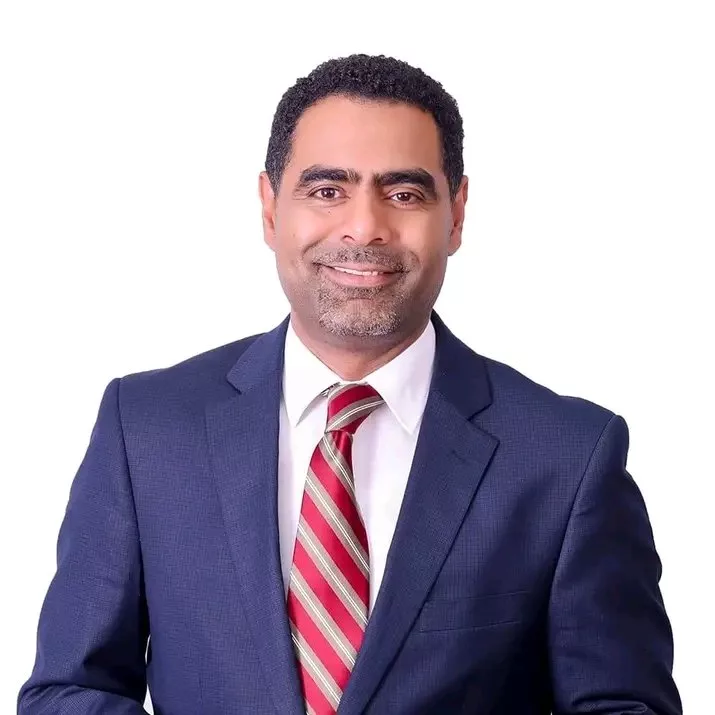
 FKF president Hussein Mohamed/HANDOUT
Months of courtroom drama, administrative upheaval and regulatory uncertainty have kept Kenyan football in suspended animation.
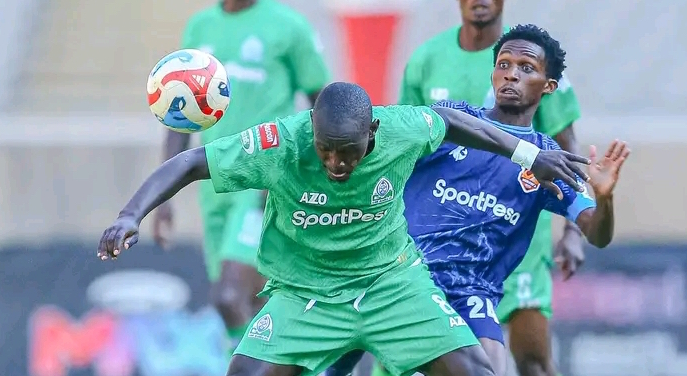
On Friday, the sleeping giant stirs as Nairobi United take on KCB in the opening match of the 2026/27 SportPesa League season. By Saturday and Sunday, the rest of the cast will join the pilgrimage, with Gor Mahia, AFC Leopards, Tusker, Shabana, Kenya Police and the newly promoted sides setting out in pursuit of points, survival, continental football and the championship.
But this is no ordinary opening weekend. The new campaign emerges from a storm, carrying the bruises, bitterness and unanswered questions of the months before kick-off.
The league had been scheduled to start on September 19, but the promotion/relegation dispute involving Kariobangi Sharks and Mombasa United plunged the competition into uncertainty.
Legal challenges followed, while conflicting provisions in the 2019 and 2025 Football Kenya Federation constitutions left clubs unsure which rules governed promotion and relegation. Court orders eventually forced the postponement of the opening, leaving FKF scrambling to find a way out of an administrative maze. Now, as the dormant league finally stirs, clubs want the lessons of the crisis to be heeded.
Bandari coach Charles Okere believes the prolonged shutdown has not only disrupted clubs but could also hurt Harambee Stars’ preparations for crucial international assignments. With local-based players lacking competitive matches, Okere fears the national team could pay the price through a shortage of match fitness and intensity.
“You have seen the call-up of players to camp for the qualifiers, but we haven’t played well in our matches thus far, so it’s not good for now. We have to sit and come up with a solution to avoid such scenarios in the future,” Okere said.
Bandari experienced the uncertainty first-hand when the club travelled from Mombasa to Nairobi for their scheduled opener against AFC Leopards, only to learn that the league had been suspended.
“It’s really saddening. We received communication of the suspension while on our way to Nairobi. It’s not a good thing to keep the players in shape and in camp with the uncertainty,” he said.
“As coach, our work is to get the players ready, but our plea is for whatever is happening outside the field to get a solution because, by the end of the day, it is the clubs and players who are affected, and more so the psychological distress.”
The financial consequences have been just as painful. The league had been inactive since May 31, forcing clubs to maintain squads through an extended pre-season while receiving none of the matchday income that normally helps sustain their operations.
Kakamega Homeboyz chairman Cleophas Shimanyula says the club has continued to bleed money during the impasse, with its monthly player wage bill alone exceeding Sh3.5 million. “We have spent a lot of money waiting for the league to kick off,” Shimanyula said. “You have to pay salaries to the players even when they are not playing, and for us as Homeboyz, our salaries are over Sh3.5 million per month.”
The chairman said the financial burden has been felt across the top flight. “So we are paying this, and they are not playing, just training. So to me, all teams have suffered,” he said.
“When you sign a player, you have a contract with him. Whether the league has started or not, you are expected to pay him. The longer the league takes to start, the more losses the clubs make.”
AFC Leopards chairman Boniface Ambani believes the turmoil could have been avoided if clubs were properly consulted before the 2025 FKF regulations were introduced. “I told them this would happen,” Ambani said, insisting the season should have started under the established 2019 regulations.
Leopards were also forced to refund supporters after their scheduled opening match against Bandari was postponed. Now that the competition is finally returning, Ambani wants the crisis to become a lesson.
“We need clear structures and proper consultation,” he said. The dispute has also revived the long-running debate over who should control Kenya’s top flight. Club chairmen are pushing for greater autonomy, while Posta Rangers coach Zedekiah “Zico” Otieno wants an independent body to run the league.
Gor Mahia chairman Ambrose Rachier is at the centre of efforts to reshape the competition. Appointed chairman of a seven-member transition committee in July, Rachier has been tasked with guiding the league towards a semi-autonomous structure that would give clubs a greater role in its management while reducing direct federation control.
The committee brings together representatives from FKF, Premier League clubs, the corporate sector and the National Super League. “The important thing is that we have a committee in place to oversee the transition of the SportPesa League into a semi-autonomous competition,” Rachier said.
He believes commercial partnerships will be critical to the success of the new structure. “The committee will pursue the new structure through collaboration with key stakeholders including the league sponsors,” he said. B
ut Rachier cautioned against a rushed transition, saying existing contracts must be respected as the league builds a stronger commercial foundation. “This is not about confrontation but about ensuring the league develops on a firm foundation that benefits every stakeholder,” he said.
His ultimate ambition is straightforward. “We want a league that is professionally managed, commercially attractive and accountable,” he said. That vision dovetails with FKF president Hussein Mohamed’s broader reform agenda.
Mohamed wants the rebranded SportPesa League to become one of Africa’s leading domestic competitions, backed by the Sh1.12 billion, 10-year title sponsorship deal with SportPesa. But he acknowledges that transforming Kenyan football will take time.
“We are in a reform stage,” Mohamed said, warning that “change can be tedious, painful, and exhausting. He said infrastructure must be at the heart of the transformation. “You cannot commercialise football without infrastructure,” Mohamed said, arguing that improved facilities can unlock greater opportunities in broadcasting, branding and merchandising.
Governance, accountability, integrity and match-day safety are also central to the reform agenda. Mohamed says consultations with clubs should eventually produce “a clear roadmap and a clear pathway to making the SportPesa League the number one league in Africa.”
“Football is played in every village, every school, every neighbourhood,” he said. For SportPesa, the return of the league is an opportunity to rebuild the commercial foundations of the domestic game.
Chief executive Ronald Karauri said the company remains committed to restoring Kenyan football’s lost commercial value. “Football in Kenya will reclaim its lost glory. Over the years, we will steadily make great progress and strides,” Karauri said. SportPesa head of partnerships and sponsorships Japheth Akhulia believes the new season should be about more than the title race.
“The 2026/27 SportPesa League season is bigger than the title race. It is a chance to strengthen clubs, grow supporter engagement and show how domestic football can benefit from long-term commercial support as Kenya prepares for AFCON 2027,” he said.
Akhulia said SportPesa wants to make attending matches a more attractive experience for supporters. “We want to make the league an experience and bring fans to the stadium, bring kids along. The media can help create the buzz and do much more,” he said.
The sponsor will also introduce an awards programme for outstanding players and coaches. “These awards are about celebrating impact, consistency, and professionalism. By backing a transparent, data-led process, we aim to motivate players and coaches while deepening fan engagement with the league,” Akhulia said.
Meanwhile, the federation has introduced measures to improve match-day safety and professionalism, including two functional ambulances at every league venue. With the fixture list finally released, Kenyan football can turn from the courtroom to the pitch.
But the first whistle will not erase the problems that delayed it. The real test will be whether the new season marks the beginning of a more stable, professionally managed and commercially sustainable era — or merely another pause before the next crisis.