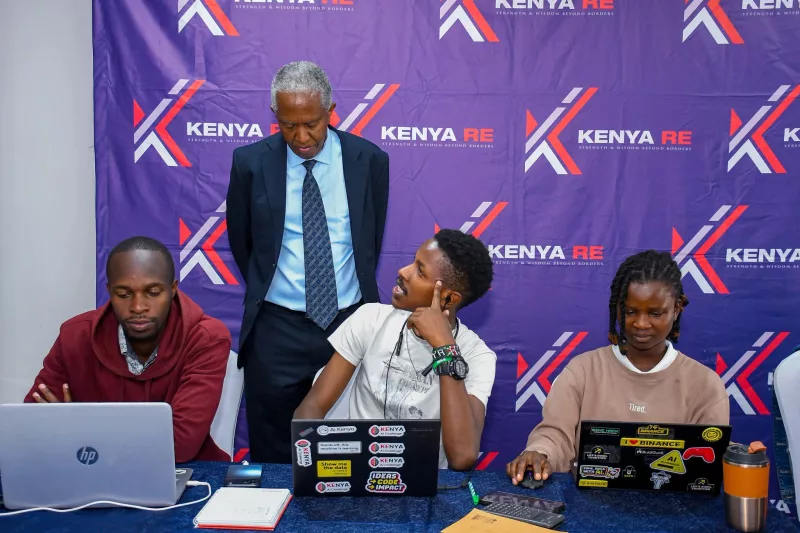
 The students, drawn from 30 universities across Kenya, are participating in the third edition of the Kenya Re AI4I Hackathon, running from October 7 to 9, 2026./HANDOUT
Ninety university students are using artificial intelligence to develop technology that could help insurers better assess flood risks and determine the cost of protecting properties against natural disasters.
The students, drawn from 30 universities across Kenya, are participating in the third edition of the Kenya Re AI4I Hackathon, running from October 7 to 9, 2026.
The competition attracted 147 applicants, with 90 selected to develop solutions under the theme “Redefining Reinsurance Business Processing with Agentic AI and Machine Learning.”
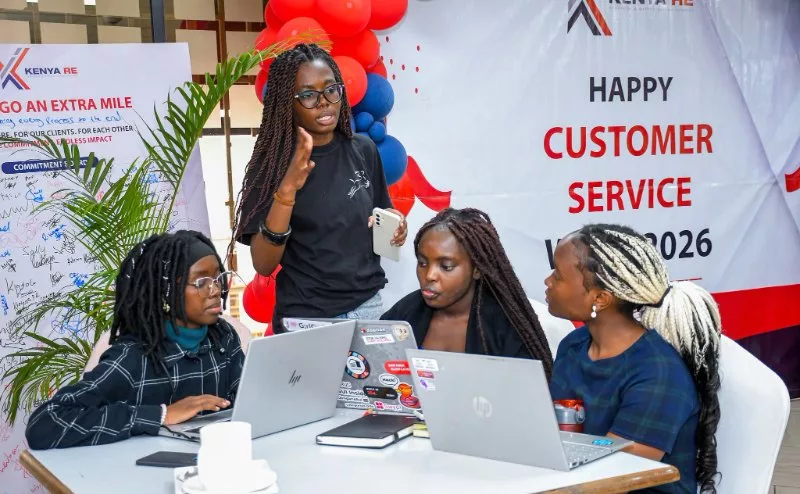
The students, drawn from 30 universities across Kenya, are participating in the third edition of the Kenya Re AI4I Hackathon, running from October 7 to 9, 2026./HANDOUT
This year’s challenge focuses on developing an AI-powered catastrophe modelling solution to strengthen flood risk assessment in Kenya Re’s key markets.
The technology is expected to help insurers analyse hazards, property exposure, vulnerability and potential financial losses, enabling them to make more informed decisions when assessing risks and setting insurance premiums.
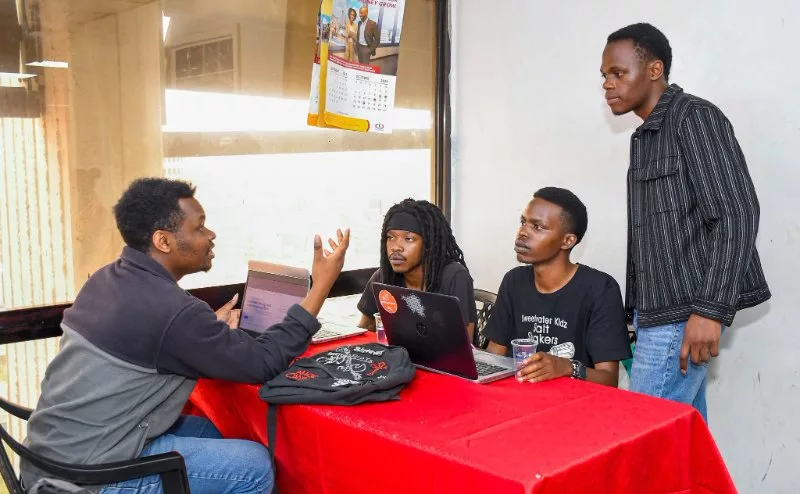 The students, drawn from 30 universities across Kenya, are participating in the third edition of the Kenya Re AI4I Hackathon, running from October 7 to 9, 2026./HANDOUT
Floods can damage multiple properties and businesses in the same area, making it increasingly important for insurers to anticipate potential losses when determining the risks they are willing to cover.
Kenya Re Group Managing Director Dr Hillary Wachinga said the hackathon was established to strengthen collaboration between academia and industry, nurture emerging talent and harness technology to improve business processes.
His remarks were delivered by Acting General Manager for Reinsurance Operations Paul Ahomo.
The initiative also provides students and researchers with an opportunity to apply academic knowledge to practical industry challenges.
University of Nairobi Professor Peter Waiganjo said the industry had opened its doors to academia, creating opportunities for closer collaboration between scholars and practitioners.
He said the partnership was helping bridge the gap between academic learning and industry practice while giving students valuable mentorship and exposure to real-world challenges.
The hackathon builds on previous editions, which enabled several participants to secure internships at Kenya Re. Two former interns have since been absorbed into the corporation.
As the teams develop their solutions, the initiative seeks to demonstrate how artificial intelligence and machine learning can improve risk assessment while strengthening collaboration between the insurance industry and emerging technology talent.