Two Kenyan technology startups have won a combined Sh1.3 million in funding to expand artificial intelligence (AI) solutions targeting challenges in healthcare and education.
Neural Labs Africa and Me-Nasoma each received $5,000 (about Sh650,000) in equity-free funding, alongside advertising credits from Meta, following the inaugural AI Academy Kenya Pitchathon held in Nairobi.
The competition, organised by Meta and local technology accelerator ‘This Is Digital’, brought together 10 Kenyan innovators developing AI-powered products for sectors including healthcare, education, retail, legal services and financial compliance.
Neural Labs Africa, represented by Tom Kinyanjui, won with NeuralSight, a platform that connects hospitals and other healthcare facilities with remote medical specialists to support the interpretation of medical scans and preparation of diagnostic reports.
The solution is designed to help healthcare facilities access specialist expertise, including those operating in areas with limited internet connectivity.
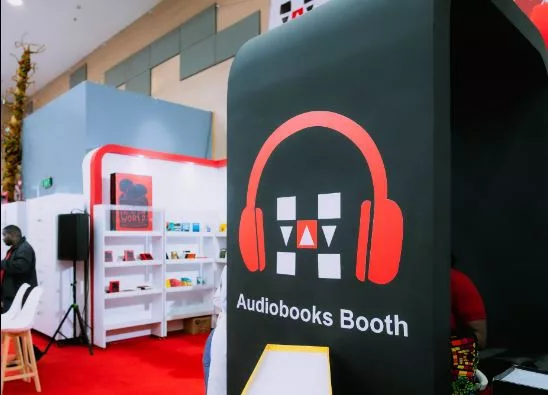
Me-Nasoma, represented by Oscar Karuga, developed a platform that converts documents and web pages into audio, allowing users to listen to written content through mobile phones, web browsers and a Chrome extension.
The service targets students, professionals and other readers who face difficulties accessing written information, using an approach that supports local languages.
The two startups will also pitch their products at Meta’s Regional AI Summit in Istanbul, Türkiye, on November 24, offering them an opportunity to showcase their solutions to a wider audience.
The competition attracted more than 426 applications, highlighting growing interest among Kenyan entrepreneurs in developing AI tools for local markets.
Meta’s public policy manager for East and Horn of Africa Sarah Muyonga, said the partnership with the government and local technology players was intended to expand access to AI skills, tools and business opportunities in Kenya.
“Our partnership with the government and local ecosystem partners is helping expand access to AI skills, tools and opportunities in Kenya,” said Muyonga.
The initiative comes as technology companies and entrepreneurs increasingly explore how AI can address everyday challenges in African markets, including access to healthcare, education and business services.
“By combining their expertise with Meta’s AI tools and mentorship, we can support innovators to build solutions that respond to real needs in their communities,” said Meta’s policy programmes manager Chinny Francis.
ICT and Digital Economy director of field services Barnabas Sang, said homegrown innovation can help in advancing Kenya’s digital economy.
Co-founder and chief executive of This Is Digital, Greg Wanjama, said the programme aimed to equip African innovators with the skills, tools and opportunities to turn their ideas into practical solutions.
Eight other startups were recognised among the finalists for developing technology products targeting different sectors.
They included Solivia Data, which developed a solar-powered clinic triage hub; HakiChain, an AI legal services platform; and Sawazisha AI, a WhatsApp assistant designed to help small businesses comply with electronic tax invoicing requirements.
Other finalists included Utter Africa, which supports communication for children with speech and language challenges; JuaFlow, which automates business processes; and Jackfruit Network, which helps low-cost private schools identify their needs.
TemboTrade developed a platform combining sales, inventory management and M-Pesa payments for small businesses, while O.C.A. created an offline tool for auditing Social Health Authority medical claims before submission.
The finalists were assessed by a panel comprising representatives from Meta, This Is Digital, Kaara Works, the State Department of ICT and Strathmore University’s iLabAfrica.
The competition marks a push to support Kenyan technology entrepreneurs developing locally relevant AI products, with funding and international exposure intended to help promising solutions grow beyond the initial development stage.