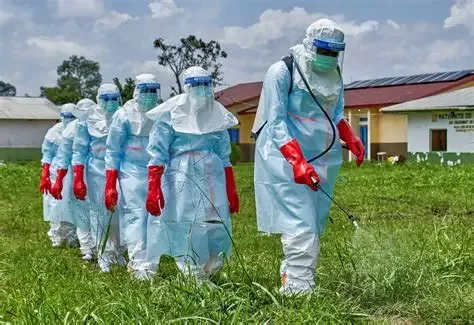
 Ebola virus./FILE
When an Ebola outbreak is detected, health authorities race to identify people who may have been exposed to the virus before they develop symptoms.
While infected patients are isolated and treated, epidemiologists and community health workers trace their movements and identify people who may have come into contact with them.
According to operational guidelines issued by the World Health Organisation (WHO) Regional Office for Africa in September 2014, contact tracing is one of the key measures used to break chains of Ebola transmission.
What is Ebola contact tracing?
Contact tracing involves identifying, listing and monitoring people who may have come into physical contact with an Ebola patient, whether alive or dead, or with their bodily fluids.
Because Ebola is spread through direct contact, identifying people who may have been exposed allows health authorities to monitor them and act quickly if they develop symptoms.
Why does the 21-day window matter?
The 21-day monitoring period is linked to Ebola's incubation period — the time between exposure to the virus and the appearance of symptoms.
According to the WHO guidelines, the incubation period ranges from two to 21 days.
A person exposed to Ebola is not considered contagious until symptoms begin to appear.
This means contacts who remain symptom-free for 21 days after their last exposure can be released from monitoring because they have not developed the disease from that exposure.
How contact tracing works
The process involves three main stages: identifying contacts, listing them and monitoring them for 21 days.
1. Identifying contacts
Once a patient tests positive or dies from suspected Ebola, epidemiologists investigate the person's movements and interactions after symptoms began.
If the patient has died, health teams may interview family members as part of the investigation.
They look for people who may have:
Come into contact with the patient's blood or other bodily fluids.
Shared a household, bed or meals with the patient.
Cared for the patient or handled their clothes or bedding.
Participated in washing or preparing the body for burial.
Attended to the patient as a healthcare worker without full personal protective equipment.
2. Listing contacts
People identified as having been exposed are formally registered and informed about their status.
Health officers explain the precautions they should take and advise them to limit close physical contact, avoid crowded places and public transport where possible, and report any symptoms immediately.
3. Daily monitoring
Each identified contact is monitored for 21 consecutive days.
Field teams, often including community health workers and volunteers, check contacts for symptoms such as fever, headache, vomiting and diarrhoea and record their temperatures using appropriate safety procedures.
What happens if a contact develops symptoms?
If someone develops symptoms during the 21-day monitoring period, the response changes immediately.
The field worker alerts the relevant response team, which arranges safe transportation of the person to a designated isolation or treatment facility for testing and care.
The aim is to isolate a potentially infected person before they expose family members or other people in the community.
How contact tracers protect themselves
Health workers conducting contact tracing follow precautions designed to reduce their own risk of exposure.
These include maintaining physical distance from household members, avoiding unnecessary physical contact and practising hand hygiene.
Tracers also monitor their own health and take their temperature before going into the field.
By following every potential chain of exposure for 21 days, health authorities can identify new infections early and isolate suspected cases before they lead to further transmission.
Kenya puts contact tracing to the test
Kenya is applying Ebola contact-tracing measures after confirming its first imported case of Ebola Bundibugyo virus disease.
The patient, a Kenyan citizen who had lived in the Democratic Republic of Congo (DRC) for seven years, travelled from the DRC to Kampala by road before flying to Nairobi. He was isolated at Nairobi Hospital after developing symptoms and later died while receiving treatment.
Health authorities have identified 28 people who had contact with the deceased, including family members and healthcare workers who attended to him.
The Ministry of Health is also tracing 23 passengers and four crew members who travelled on the same flight as the patient. Authorities are making arrangements to quarantine people considered to have been at risk.
Kenya had already stepped up Ebola preparedness before the case was confirmed. The Ministry of Health had strengthened surveillance at high-risk points of entry, activated emergency response structures and increased laboratory and isolation capacity following the outbreak in the DRC and Uganda.
The latest WHO data shows the ongoing Bundibugyo outbreak in the DRC had recorded 8,442 confirmed cases and 4,080 confirmed deaths as of October 2, while Uganda had reported 20 confirmed cases and two deaths.