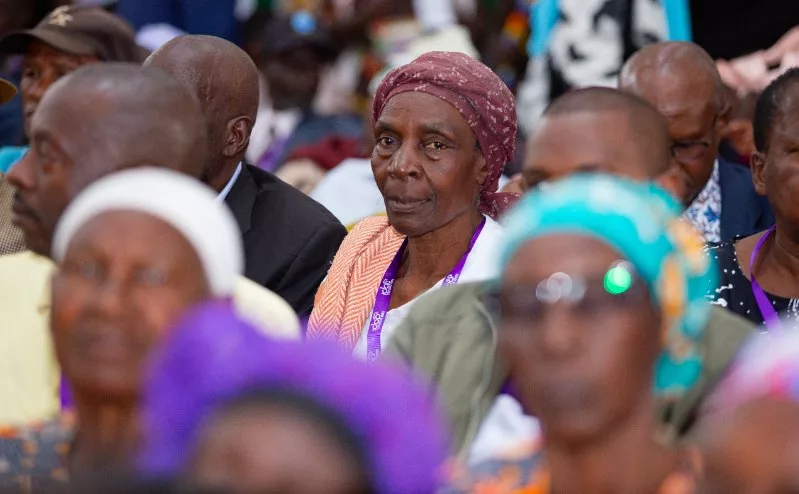
 Attendees at the International Day of Older Persons (IDOP) Scientific Conference held at the Kenya Institute of Special Education (KISE)
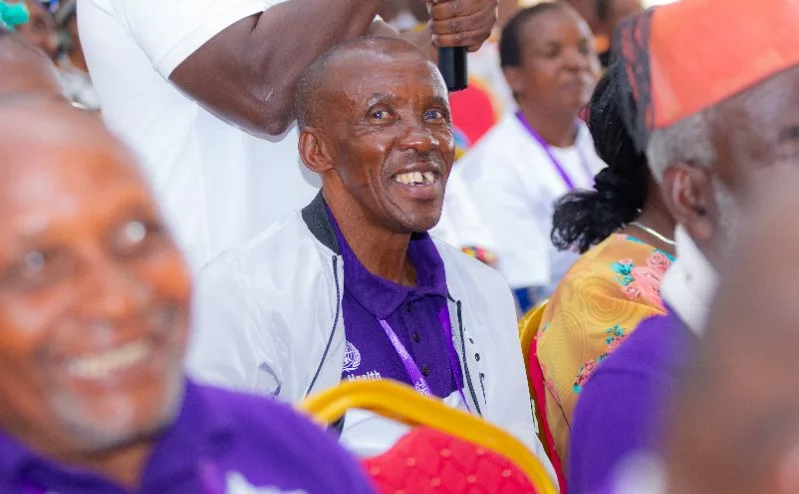 Attendees at the International Day of Older Persons (IDOP) Scientific Conference held at the Kenya Institute of Special Education (KISE)
The tears, the smiles and the expressions of concern witnessed during a three-day national conference on older persons captured a reality that statistics alone cannot tell: for many elderly Kenyans, growing old can mean confronting illness, financial insecurity, isolation and a struggle to access basic services.
The International Day of Older Persons (IDOP) Scientific Conference, held under the theme “Advancing Healthy Ageing and Older Persons’ Rights in Kenya: Coordinated Health, Social Protection and Community Action,” ended Friday with a strong call for the country to move from discussion to practical action in securing the welfare and dignity of older persons.
The conference brought together government officials, health professionals, researchers, development partners, civil society organisations and, importantly, older persons themselves to examine how Kenya can respond to a rapidly ageing population.
Participants argued that ageing should no longer be treated simply as a social welfare matter, but as a national development issue requiring coordinated action across healthcare, social protection, housing, community services, employment and governance.
The message comes as Kenya's social protection system continues to expand. Government's Inua Jamii programme provides cash transfers to older persons alongside other vulnerable groups, while official assessments have found that the support can improve older persons' wellbeing and help meet expenses such as food and medical costs.
But the conference made clear that cash alone cannot address the challenges associated with ageing.
One of the most striking moments came when older persons shared their personal experiences of navigating the healthcare system.
A retired senior government official spoke of the difficulties of accessing specialised medical treatment outside Kenya when the required services are unavailable locally.
Another case highlighted at the conference involved an older person who reportedly had to pay Sh31,000 simply to be registered at a hospital, only to be informed that the next stage of treatment would cost about Sh300,000.
For participants, such experiences illustrated the gap between having a healthcare system and having healthcare that an older person can actually afford and access with dignity.
The stories also placed a human face on the conference's broader discussions about health insurance, the cost of treatment and the need for better coordination between social protection and healthcare systems.
The government has described Inua Jamii as an important safety net for vulnerable Kenyans. A 2025 government release, for example, said 1,151,917 older persons and people living with severe disabilities were enrolled in the programme at the time, with beneficiaries receiving Sh2,000 per month under the payment cycle announced.
An evaluation of the older persons' cash transfer programme also found evidence of improved subjective wellbeing among beneficiaries, while noting that many recipients continue to face financial pressures, including medical expenses.
The conference therefore called for a broader understanding of social protection, one that combines income support with healthcare, housing, care services, social participation and opportunities for older persons to remain active in their communities.
The argument was also made that older persons should be regarded as rights-holders and contributors, rather than passive recipients of government assistance.
Many remain caregivers, mentors, farmers, professionals, community leaders and custodians of knowledge. Their experience, participants said, should be incorporated into the policies and programmes designed to serve them.
Preparing today's workers for tomorrow's old age
The welfare of older persons, speakers observed, cannot be separated from the conditions in which people work during their productive years.
This is particularly important in Kenya, where a large share of employment is informal.
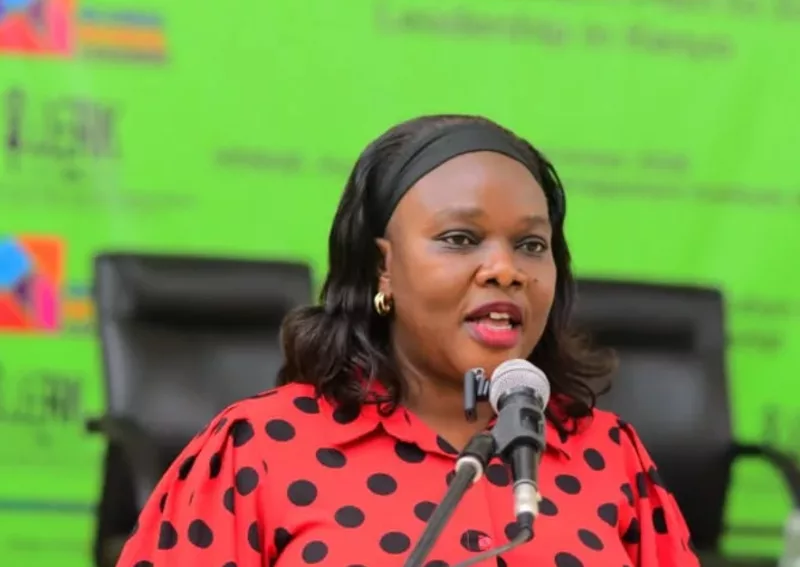
In his remarks delivered by Principal Secretary for Social Protection Joseph Motari, Labour and Social Protection Cabinet Secretary Alfred Mutua said the government was seeking to extend social protection to workers in the informal economy and encourage savings for old age.
The approach includes developing simpler and portable savings products for workers such as boda boda riders, mama mboga traders and jua kali artisans.
The objective is straightforward: today's informal worker should not become tomorrow's financially insecure older person.
This life-course approach was one of the strongest themes emerging from the conference. Social protection, participants argued, should not begin only when a person reaches old age. It should be built throughout a person's working life through decent employment, retirement savings, social security and access to affordable healthcare.
Making older persons part of the solution
The conference also challenged the tendency to view retirement as the end of a person's contribution to society.
Participants proposed greater opportunities for older persons to engage in mentoring, volunteering, community service and other forms of participation.
Such opportunities could help address another challenge identified during the conference: social isolation.
Families, communities, faith-based organisations and civil society were identified as critical partners in ensuring older persons are not neglected or excluded.
Government also stressed the importance of stronger collaboration between national and county governments.
From conference resolutions to action
Perhaps the biggest test following the three-day meeting will be whether the recommendations translate into measurable improvements in the lives of older persons.
The conference identified several persistent gaps: affordable healthcare and sustainable health insurance, adequate social protection and income security, opportunities for meaningful participation after retirement, and the inclusion of older persons in decisions affecting their lives.
Kenya already has policy and institutional frameworks for social protection, including the National Social Protection Policy and a national policy on older persons and ageing.
The challenge now is implementation, coordination and sustained financing.
As the conference closed, the call was therefore not simply for more programmes, but for systems that work together.
Healthcare must connect with social protection. Pension and savings systems must prepare workers for longer lives. Communities must support older persons who need care. Government must listen to older persons when designing policies. And opportunities must be created for those who want to continue contributing after retirement.
The conference's central message was that Kenya's ageing population should be seen not merely as a challenge, but as a reason to redesign systems around longer lives.
For those who witnessed the discussions, the most memorable moments may not appear in the final communiqué; the tears when older persons described their struggles, the smiles when participants saw a possibility of hope, or the concern generated by stories of people struggling to pay for healthcare.
But those moments underscored the urgency behind the policy debate.
Kenya's task now is to ensure that the growing number of older citizens do not simply live longer, but live longer with health, security, dignity, purpose and the ability to participate fully in society.
The conference may have ended Friday. The work of translating its recommendations into that reality has only begun.