The maize fields of Trans Nzoia are sending a warning that Kenya cannot afford to ignore.
A failed harvest does not end with empty grain stores or higher maize prices. Its effects travel through the livestock sector, pushing up the cost of feed, squeezing farmers’ incomes and ultimately threatening milk and other food supplies.
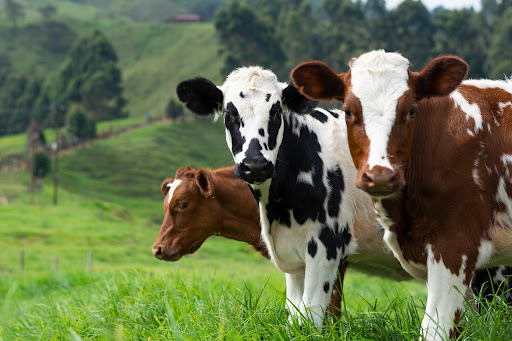
For dairy farmer John Kimani, the consequences are already stark. His 23 cows now produce between 400 and 460 litres of milk a day, down from about 700 litres previously. The immediate problem is feeding: fodder is harder to find, grain is more expensive and the quality of available feed is affecting production.
This is not an isolated farm-level problem. About 70 per cent of manufactured animal feeds are made from grains, while Kenya imports more than 80 per cent of critical feed ingredients such as soybean, sunflower meal and cottonseed meal. Raw materials account for up to 80 per cent of manufacturing costs.
The vulnerability is obvious. When drought or crop failure hits the Rift Valley, the consequences ripple across the livestock value chain.
Kenya must therefore broaden its feed base. Government efforts under the National Feed Strategy are important, but the country needs sustained investment in alternative grains, protein crops, irrigation, drought-tolerant varieties and local feed production.
Feed security is food security. Leaving farmers to absorb the shock every time maize production falters is neither sustainable nor fair.
A resilient livestock sector requires a resilient feed system. Kenya must build one before the next failed harvest arrives.
Quote of the day:“If you want to succeed you should strike out on new paths, rather than travel the worn paths of accepted success.” —American oil tycoon John D Rockefeller became the world’s first billionaire on September 29, 1916