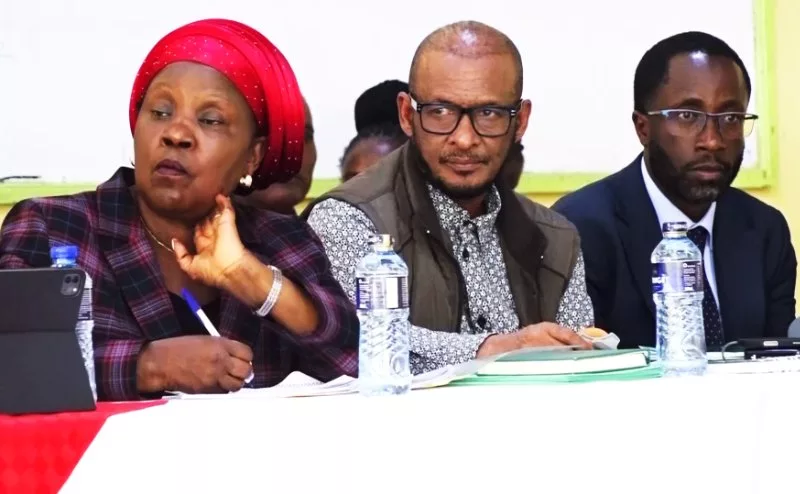
 Vice chairperson of the Committee on Education in the National Assembly Eve Obara with Mandera South MP Abdul Haro Kore and Kitutu Masaba MP Clive Ombane during a public participation forum at Murang'a University on September 25, 2026/ ALICE WAITHERA
Education stakeholders in Murang’a have called for junior secondary schools to be established as independent institutions with their own administrators, Boards of Management and funding.
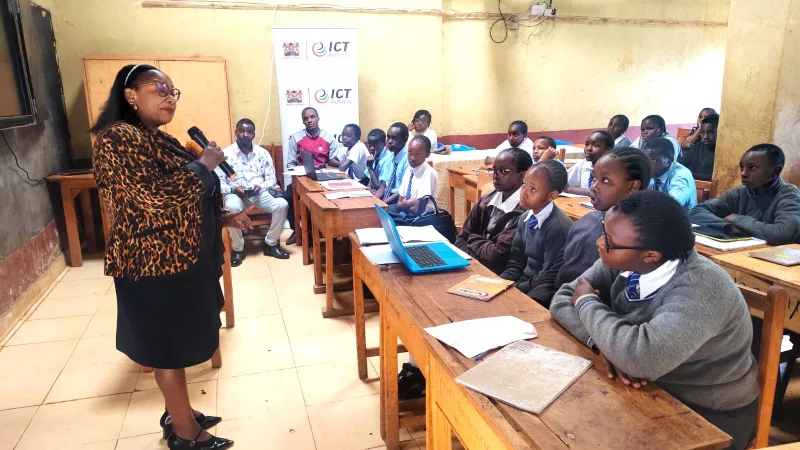
They argued that the current comprehensive school model, which places Grades 7 to 9 alongside primary education, has created administrative and resource allocation challenges that require a separate management structure.
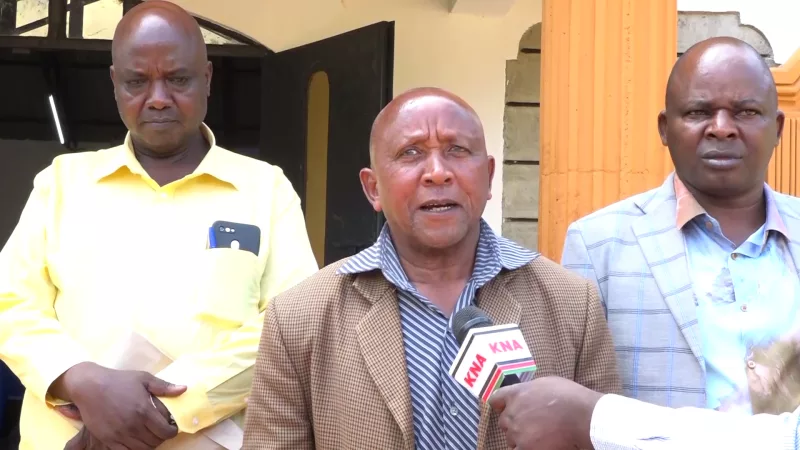
Speaking during a public participation forum on six education bills at Murang’a University of Technology, the stakeholders said Junior Schools have distinct learning needs that cannot be effectively addressed under structures designed primarily for primary education.
Junior Secondary School representative Polycarp Mutugi said the proposed education framework should recognise JSS as a distinct level and provide it with governance structures capable of addressing its specific challenges.
“Junior Schools have their own needs and challenges, and these cannot continue to be treated as an extension of primary education,” Mutugi said.
The stakeholders proposed that JSS have independent principals, deputy principals and other administrators instead of operating under primary school head teachers within comprehensive institutions.
They said separate management would also make it easier to plan for infrastructure, teaching materials and other resources according to the needs of learners in Grades 7 to 9.
Under the current arrangement, primary and Junior School sections operate within the same comprehensive institution, sharing administration, funding and Boards of Management.
The stakeholders argued that the arrangement could result in duplication of responsibilities and make it difficult to determine which level should take priority when allocating resources.
Mutugi said the distinction was particularly important because comprehensive schools begin at Grade 1 and extend to Grade 6 before learners proceed to Junior School, which has different curricular and administrative demands.
Murang’a Kuppet official Thomas Kimani supported the proposal, saying Junior Schools should have their own Boards of Management to deal with challenges emerging from the implementation of the Competency-Based Curriculum.
He said an independent governance structure would give JSS administrators greater responsibility for addressing infrastructure, staffing and learning resource gaps affecting the section.
“The law should clearly separate the responsibilities of primary and Junior School management so that there is no confusion over who is responsible for what,” Kimani said.
The stakeholders made the proposals during a public participation forum organised by the National Assembly Departmental Committee on Education to receive views on six Bills seeking to reform different areas of the education sector.
The stakeholders also called for stronger powers for education quality assurance officers to deal with schools that fail to meet prescribed safety and quality standards.
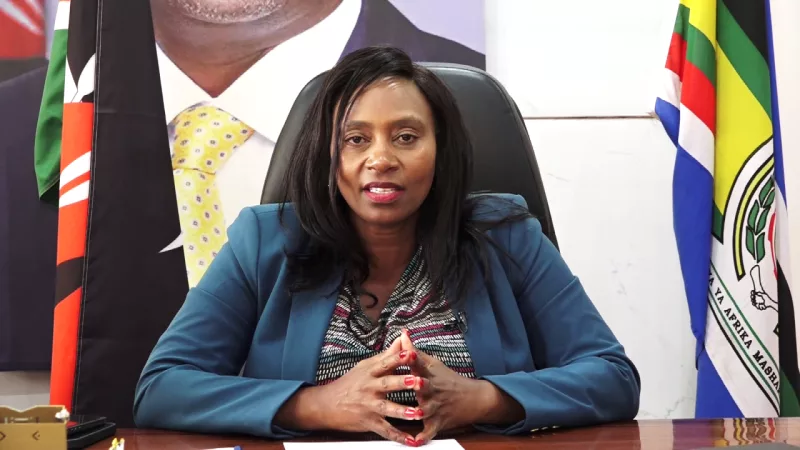
Kahuro subcounty education quality assurance officer Dr Edna Gesare proposed that officers be empowered to order the closure of institutions whose infrastructure or learning environment poses a danger to learners and staff.
“Quality assurance officers should be able to intervene before unsafe conditions result in injuries or other harm,” she said.
The meeting further heard concerns over proposed changes to higher education financing under the Tertiary Education, Placement and Funding Bill, 2026.
Stakeholders opposed an arrangement that would leave students relying largely on loans, arguing that scholarships and other forms of financial support remained necessary for learners from disadvantaged backgrounds.
They also questioned a proposal giving the Education CS powers to determine interest rates on student loans, calling for safeguards against repayment terms that could make higher education unaffordable for graduates.
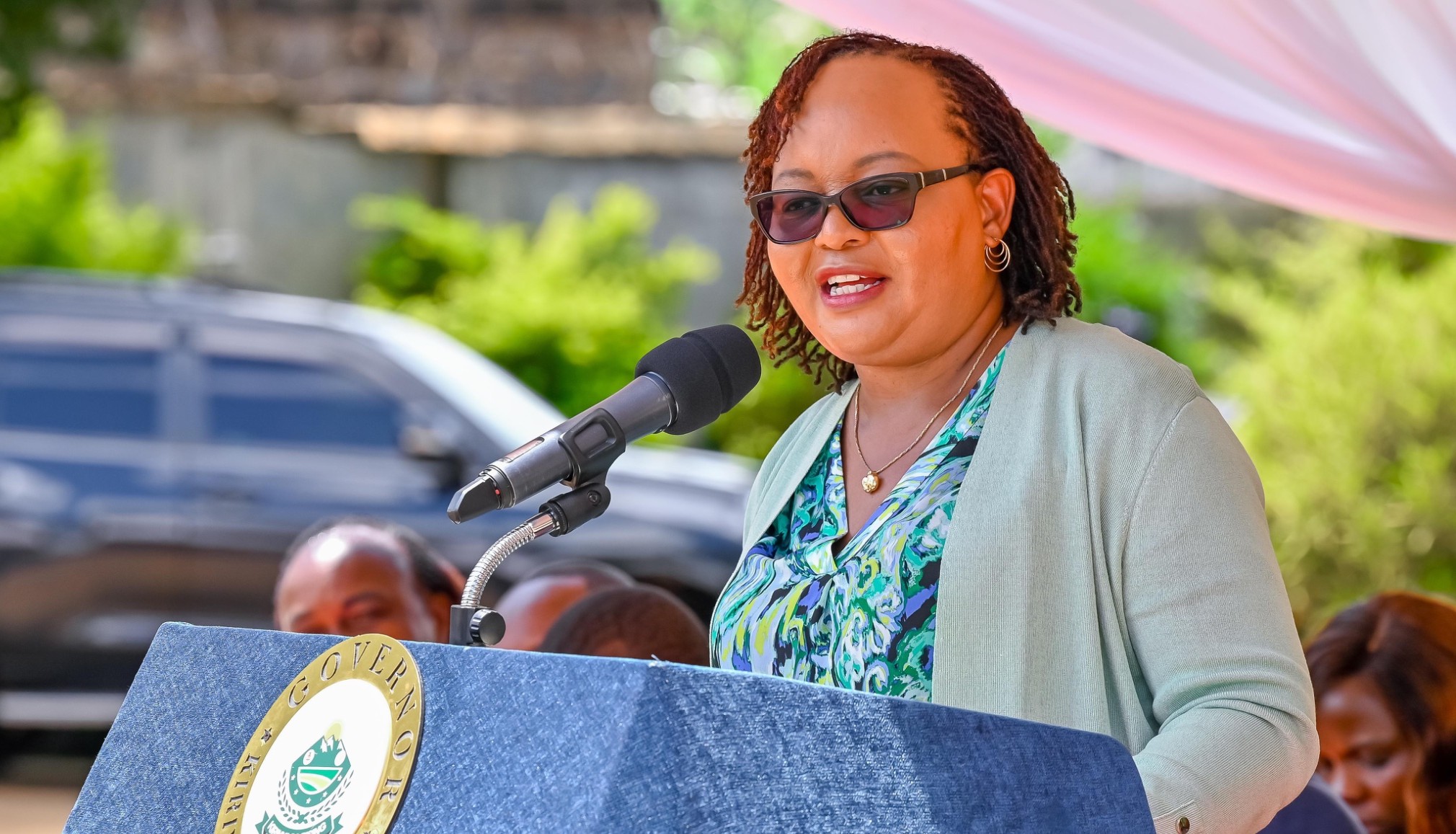
The forum was chaired by National Assembly Education Committee vice chairperson Eve Obara (Kasipul MP), who was acccompanied by fellow legislators Elijah Njoroge (Gatundu North), Clive Ombane (Kitutu Masaba) and Abdul Kore (Mandera South).
The forum sought views on the Tertiary Education, Placement and Funding Bill, 2026; Basic Education Bill, 2026; Kenya National Educational Assessments Council Bill, 2026; Pre-Service Education and In-Service Training Bill, 2026; Kenya National Qualifications Framework (Amendment) Bill, 2026; and Kenya Institute of Curriculum Development (Amendment) Bill, 2026.