When the Urban Areas and Cities Act (UACA) was passed by Parliament and assented to by the President, the intention was clear: to professionalise the management of our urban centres, to insulate them from the raw politics of the county assembly, and to bring corporate governance principles into the heart of municipal service delivery.
“We created Municipality Boards. We gave them serious mandates. We vetted their members through a competitive process. We gazetted them. We gave them the responsibility of overseeing budgets worth hundreds of millions of shillings. And then we told them to work for almost nothing.”.
This is the quiet injustice eating away at the promise of devolution in Kenya's municipalities, from Rongo to Kitui, from Naivasha to Kehancha.
While board members in state parastatals — Kenya Power, KAA, KPA, Kengen, even the boards of water companies at the county level — sit on guaranteed monthly retainers and hefty sitting allowances, municipality board members are treated as volunteers, paid a paltry sitting allowance of Sh8, 000 per sitting, capped at four sittings a month, if the county pays at all.
It is time this colonial mentality ended. Municipality board members should be put on retainers. The work is not part-time, even if we pretend it is.
The Urban Areas and Cities Act (Section 20 and 21) is explicit. A municipal board is not a ceremonial committee. It is the body corporate that: oversees all affairs of the municipality, develops and enforces municipal plans, by-laws and development control.
It also formulates and enforces municipal policies on service delivery, revenue collection, and infrastructure as well as promotes public participation.
The municipality board also acts as the employer of municipal staff delegated by the County Public Service Board inter alia.
In Kehancha, Rongo, Migori, Awendo, Homabay and other municipalities, board members are woken up at 2 a.m. when a market burns like it happened in Kehancha recently.
They are called to mediate land disputes between traders and the county. They are expected to inspect roads, drainage, dumpsites, and street lighting projects. They are the first line of defense when residents protest over garbage, water, or boda boda shades.
How does one in this 21 century call this a part-time, sitting-allowance job? In parastatals, board members who meet four times a year get retainers. In municipalities, members who are on call 30 days a month get nothing.
When a board member is not paid a retainer, he or she becomes financially dependent on the municipal manager and the county executive for the scheduling of meetings. No meeting, no pay.
This means difficult questions are never asked. A board that should oversight procurement cannot afford to offend the very people who decide if it will sit next month. The county executive takes the advantage to micromanage the boards by making unilateral decisions such as who is to be awarded a municipality tender.
It’s unfortunate that municipalities fall under the county department of lands. Chief officers sitting at the county headquarters allocate plots to individuals without consulting the boards who are gullible due to their financial status. The COs time and gain collude with municipal managers to undermine the boards authority.
Every corporate governance manual world over recommends that if you want an independent board, secure its pay. That is why boards of parastatals like the Geothermal Development Company or Kenya Rural Roads Authority have retainers — to free members from manipulation.
Why should a municipality board, which handles the town where wananchi live every day, be held to a lower standard of governance?
A retainer of Sh 100,000 to Sh200,000 per month — modest by parastatal standards — would allow members to fuel their cars to inspect projects, to buy data to respond to public complaints on WhatsApp groups, and to live with dignity while serving.
There is no doubt that most county government do have perpetual financial queries from the controller of budget, which therefore delays the release of funds for operation. This makes payment for procured items like fuel to take long therefore hindering effective service delivery to mwananchi.
Ask any County Secretary in Nyanza or Western. The best professionals — urban planners, surveyors, architects, business leaders, retired bankers, social workers — applied and are now serving on municipal boards. Two years later, many have quietly stopped attending. Aren’t losing talent at its prime time?
Its foolhardy to ask an engineer with 20 years’ experience, who runs a consultancy, to leave his work, spend two days in a development control meeting, and go home with Sh8,000 that will be paid six months later. He will simply not come back because its mirrors a professional insult.
What then becomes of municipal boards? They are filled with those who have nothing else to do, idlers or those who see the board as a stepping stone to political patronage. That is not what devolution promised. If we want professionalism comparable to other boards, we must pay comparable retainers.
The Salaries and Remuneration Commission (SRC) circular on board remuneration provides for retainers for boards of state corporations categorised as service boards. Municipal boards are service boards. They manage services that directly generate Own Source Revenue (OSR) for the county — markets, parking, bus parks, building approvals, outdoor advertisement. This therefore answers the legal and fiscal argument.
In Migori County alone, Kehancha and Migori Municipality collect tens of millions in revenue annually. In counties like Nakuru and Kiambu, municipalities are the biggest revenue contributors. Is it unreasonable to ring-fence 2 or 3% of that OSR to retain the board that oversees its collection and expenditure? It is good business.
Furthermore, Section 6 of the County Governments Act demands that counties adopt best practices in corporate governance. It is sheer negligence to have two classes of boards in the same country or county: one for boards or water companies s with retainers, and one for the municipality without.
Kenya is urbanising at 4.3% per year hence, the future is urban. By 2030, more than half of Kenya will be living in towns. The municipality is the government closest to the people. If its board fails, devolution fails on the ground — garbage piles up, markets are chaotic, floods destroy businesses, investors avoid the town.
Other countries have understood this. In South Africa, municipal board members and Mayoral Committee members are remunerated. In Rwanda, Kigali's secondary city boards are facilitated.
Kenya cannot claim to be serious about making its towns industrial hubs under the Bottom-UpEconomic Transformation Agenda while treating those tasked with running those towns as volunteers. The BETA clarion call that the future is urban will simply be a mirage.
Perhaps one would ask, what then should be done? The solution is simple and implementable.
First, the Council of Governors and SRC should gazette a distinct remuneration structure for Municipal and City Boards, separate from ad hoc committees. A monthly retainer of Sh 200,000 for Chairpersons and Sh150,000 for Members, plus SRC-compliant sitting allowances, to bring parity.
Second, county assemblies should pass Municipal Board (Facilitation) Regulations anchoring retainers to a percentage of municipal Own Source Revenue, so that counties do not plead poverty. The Public Finance Management Act 2012 is clear on this and provides the guideline on enacting law on revenue sharing.
Third, performance contracts. Retainer does not mean free money. Tie it to performance — number of plans approved, revenue growth, public participation forums held, audit queries reduced. Some county governments today subject municipal board members to signing performance contracts, yet they serve as volunteers.
County executive committee members are on salary of over Sh400,000 because their work is valued. Chief officers and municipal managers likewise are on salary. Why do we then ask the boards that supervise all of them to work for free?
It is time for the national government, SRC, and county governments to correct this anomaly. Pay municipality board members retainers. Not as a favour, but as a recognition that urban management is a full-time, professional job that deserves professional pay, just like in every other parastatal board in the Republic of Kenya.
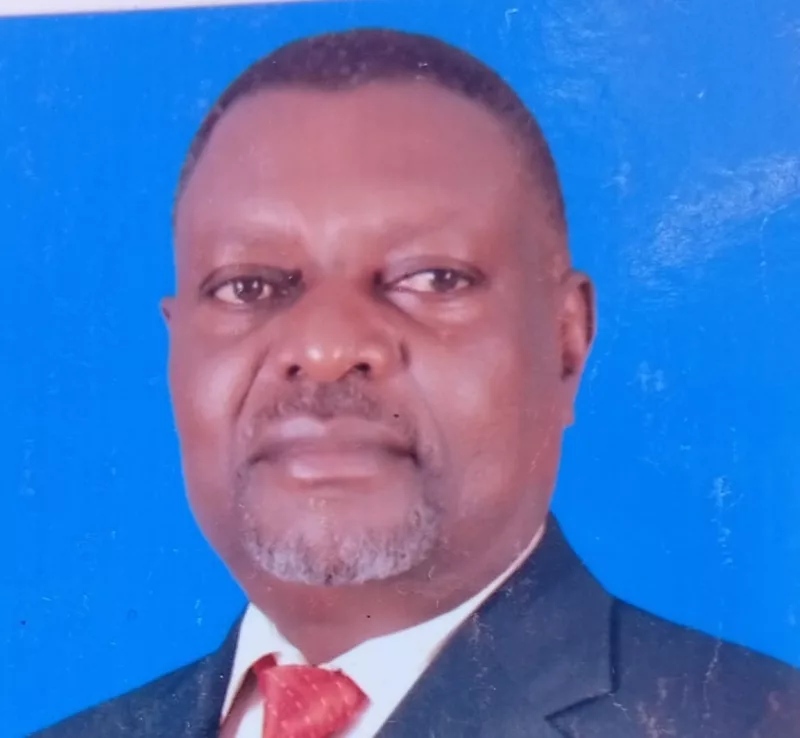
Matiko Bohoko is a veteran journalist and communication consultant based in Migori. He also chairs the Kehancha Municipal Board in Migori county.