Health experts have raised concern over the low number of Kenyans turning up for cancer screening, saying this is contributing to increased deaths from the disease.
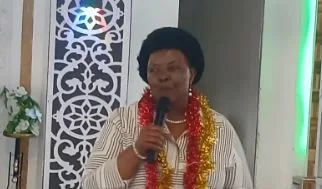
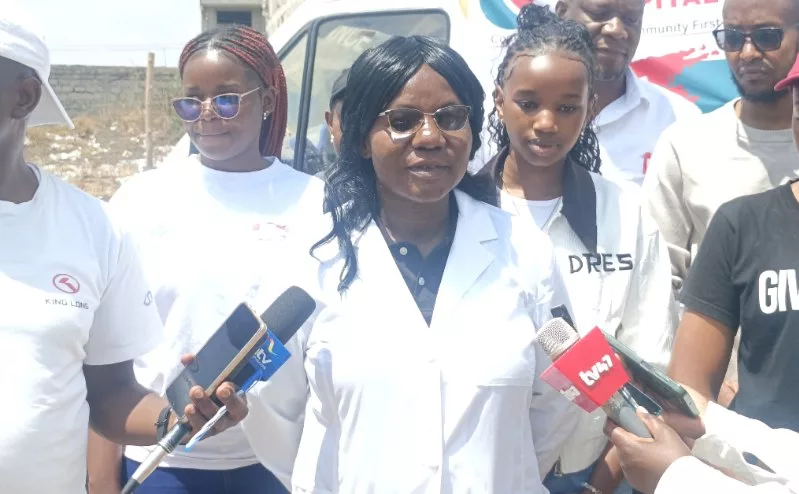
Katani Level 4 Hospital Chief Executive Officer Dr Modesta Vesonder said most cancer patients are brought to hospital late, making treatment difficult.
"Cervical cancer is prevalent in Kenya. It is the number one killer of women, followed by breast cancer. It is lethal especially if detected late," Vesonder said.
She spoke during a community sensitisation meeting on the hospital's upcoming free medical camp.
Vesonder said the hospital will offer free screening and treatment for cervical, prostate and breast cancer on September 26 and 27. The camp targets more than 1,000 women and men from across the country.
"14 per cent of women in rural areas get screened for cancer in Kenya, while about 20 per cent in urban areas get screened for the same. Those are very low numbers. A lot of women who have these diseases, who could otherwise be treated, end up dying because they aren't screened in good time for appropriate treatment," she said.
Vesonder said most patients are diagnosed when the disease is already advanced.
"By the time they get to hospital, the disease has already progressed," she said.
She attributed the trend to low awareness and fear of screening and urged Kenyans to seek regular screening for early detection and timely treatment.
"I am proud to be part of Katani Hospital. The hospital has offered many free medical and surgical outreaches on the hospital grounds. We also go out to the community to reach patients who otherwise couldn't come to hospital," she said.
Vesonder said the hospital conducts free medical camps three times a year to reach people who cannot access medical care.
"I have a vision to be able to reach even just that one person who might not come to hospital for care. I encourage anyone who needs cancer screening to come to Katani Hospital for the free services. This will save lots of families in terms of financial issues. It can save lots of people from progressing into advanced disease. The services are free; we aren't discriminating against anybody, males and females," she said.
She said fear also keeps some people from seeking screening.
"There is no need for fear. This is a painless and quick procedure. You are screened and go back to your daily engagements. It isn't painful. We have pain medication that helps alleviate that discomfort. Some people may have symptoms and choose to go to medicine men, while others go to church to be prayed for. I encourage the same people to come to hospital to be screened since it is important, and after being screened, you can be treated," Vesonder said.
Katani Hospital doctors and their counterparts from the US will also test for HIV, administer HPV vaccines to girls aged between 9 and 14 years, and treat patients with other general diseases.
Katani resident Mercy Wanjiku said she had not sought cancer screening because of fear.
"I have not sought cancer screening. I am a fearful person. I am afraid of the news that I might test positive for cervical or breast cancer. Although I am planning to go and get myself tested at Katani Hospital on Saturday,"
Wanjiku said she was convinced to seek screening after attending the hospital's sensitisation meetings.
Emma Akinyi said she was screened for cervical and breast cancer during a free medical camp at Katani Hospital last year.
"I managed to attend one of the free medical camps. Doctors attended to me well. They conducted the procedures successfully. They told me that in case I turned positive for the diseases, I would get treatment at the facility. I went through the process and tested negative," Akinyi said.
She said she also took her 14-year-old daughter for HPV vaccination.