

The call emerged from the inaugural Higher Education Transformation Convening in Accra, Ghana, where education leaders, governments, industry representatives and young people discussed how universities can better connect learning with economic opportunity.
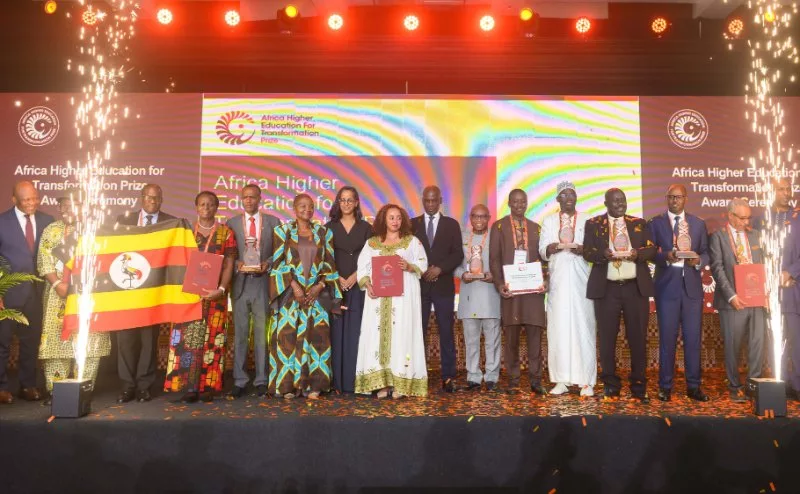
Hosted by the Mastercard Foundation, the gathering also recognised five institutions in the first Africa Higher Education for Transformation (AHEFT) Prize. Each will receive $3 million (Sh388.65 million) to expand initiatives aimed at improving education and its impact on communities.
Uganda’s Muni University and the University of Rwanda were among the winners, alongside Addis Ababa University in Ethiopia, Ghana’s Kwame Nkrumah University of Science and Technology and the International Institute for Water and Environmental Engineering in Burkina Faso.
No Kenyan institution was among the inaugural laureates. Applications for the 2027 cycle will open later this year, with institutions across Africa invited to demonstrate sustained change in how they teach, conduct research and prepare students for work.
The programme aims to recognise at least 150 institutions over the next decade.
For Kenyan universities, the discussions raise questions about how courses are designed, what qualifications tell employers about graduates’ abilities, and whether university research reaches the businesses and communities that could use it.
“Transformation is not just a better university. It is a university that makes the whole economy around it work better for young people,” said Sewit Ahderom, the Mastercard Foundation’s president and chief executive.
She called for curricula developed with employers and qualifications that demonstrate what graduates can do and are recognised across borders. Universities, she said, should also prepare young people to lead emerging technologies and ensure research feeds into enterprise and employment.
Delegates discussed directing research, innovation and skills development towards areas where Africa has a competitive advantage, while strengthening partnerships with businesses to respond to changing workforce needs.
Young participants called for
a direct role in decisions about education and employment, saying their
experiences and aspirations should help shape the systems that affect their
lives.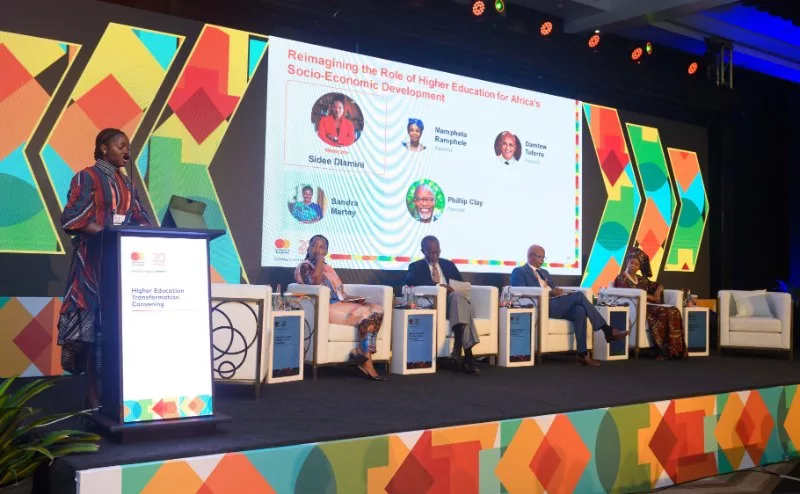 A delegate during the inaugural Higher Education Transformation Convening in Accra, Ghana/HANDOUT
Dr John Nkengasong, the foundation’s executive director for higher education and strategic initiatives, said developing and retaining talent would be crucial to turning Africa’s youthful population into an economic opportunity.
“Higher education transformation is not simply an education agenda. It is an economic imperative,” he said.
He urged governments, universities, industry, investors and development partners to treat education as a strategic investment, arguing that no institution could deliver the required changes alone.
Funding and cooperation across borders also featured prominently in the discussions. The gathering brought together representatives of global and regional financial institutions alongside education stakeholders.
Professor Saidou Madougou, director in the African Union’s Department of Education, Science, Technology and Innovation, said higher education spending averaged less than 0.8 per cent of gross domestic product, while research and development received less than 0.5 per cent of national budgets.
He called for greater collaboration between universities, more opportunities for students and faculty to move between institutions, and systems that allow knowledge and innovation to travel across borders.
The discussions aligned with the African Union’s Decade of Education and Skills Development, running from 2025 to 2034.
The winning institutions offered examples of the community focus delegates advocated.
“The future of African universities is not within our walls alone; it is also in our communities,” said Muni University vice chancellor Associate Professor Anguma Simon Katrini.
He urged universities to
listen to local challenges and put their knowledge to work alongside
communities.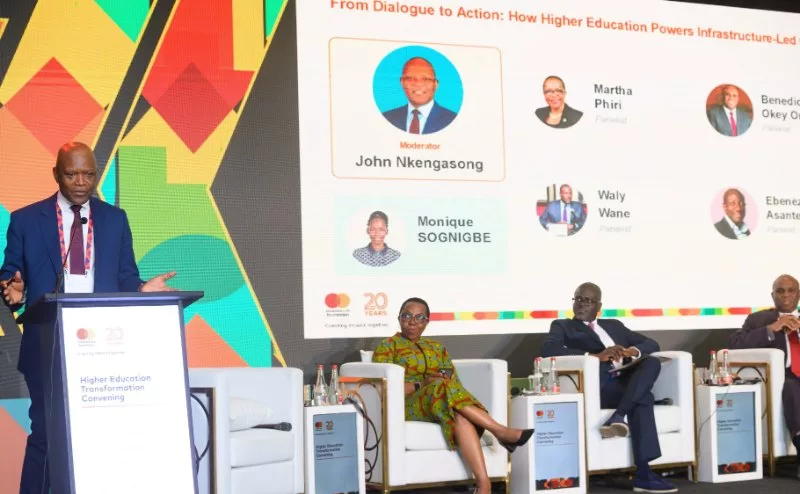 A delegate during the inaugural Higher Education Transformation Convening in Accra, Ghana/HANDOUT
University of Rwanda vice chancellor Professor Kayihura M. Didas said the award would support further progress in health education, research and innovation, including efforts to develop a health workforce responsive to community needs.
AHEFT jury chair Susan Chomba said the winners demonstrated different routes to meaningful change, offering approaches other institutions could learn from and adapt.
The prize recognises institution-wide improvements spanning teaching, research, transitions into employment and health outcomes.
Participants were challenged to identify changes they could collectively advance by 2028, linking education, employment, research and investment. For universities seeking recognition in the next award cycle, the emphasis will be on sustained institutional change and practical results for young people.






