
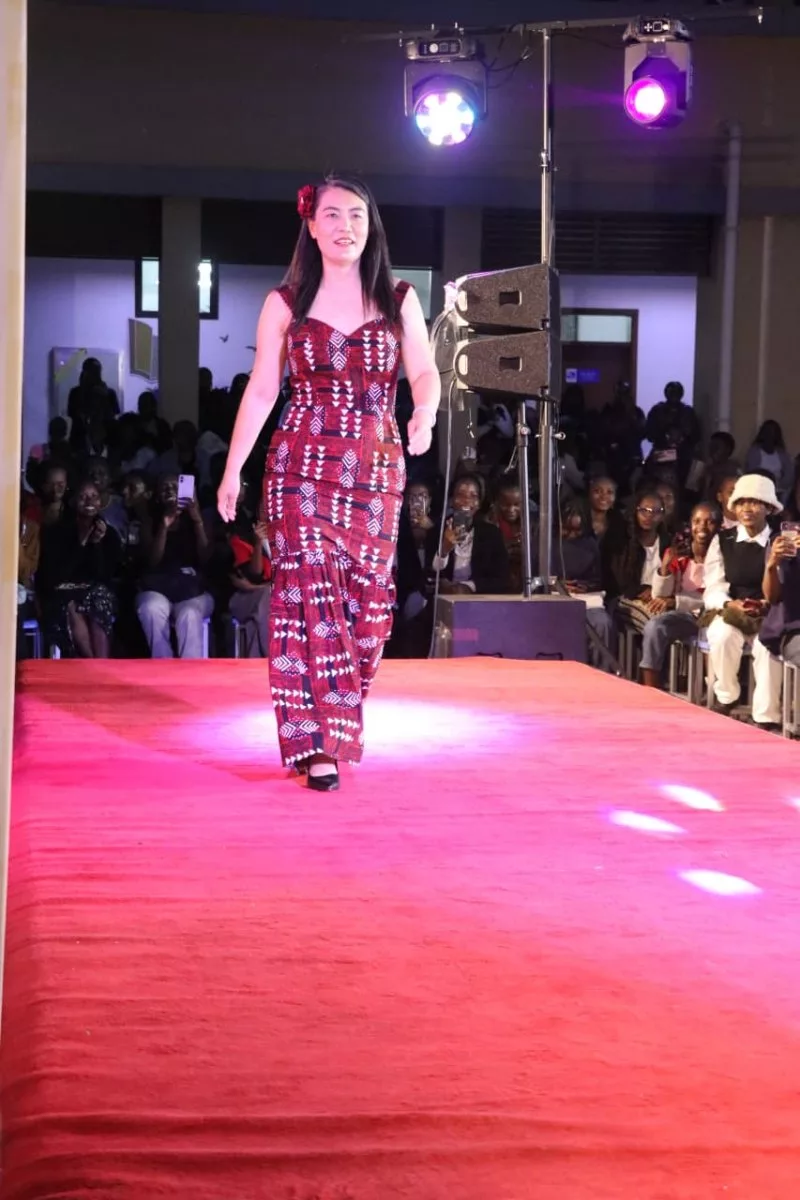
 Confucius Institute at the University of Nairobi director Prof Wang Shangxue models on the runway during the China-Africa cultural exchange mid-autumn fashion show at the Confucius Institute at the University of Nairobi on September 23, 2026/LEAH MUKANGAI
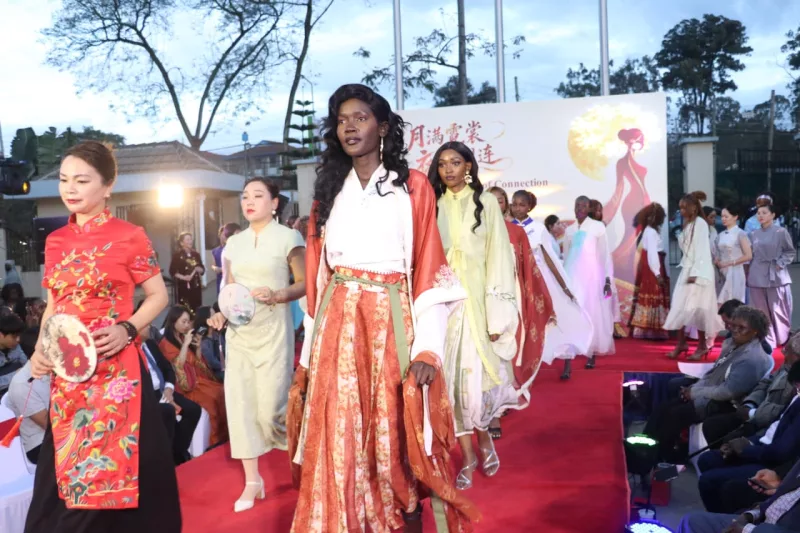 Models on the runway during the China-Africa cultural exchange mid-autumn fashion show at the Confucius Institute at the University of Nairobi on September 23, 2026./LEAH MUKANGAI
China-Kenya ties took a colourful turn on Wednesday evening as fashion brought together students, designers and members of the Chinese community at the University of Nairobi.
Models from the university and the Chinese community in Kenya took to the runway, showcasing Chinese and African designs as the two cultures were brought together through fashion.
The event, dubbed ‘Moonlit Glamour-Threads of Connection’, was organised by the Confucius Institute at the University of Nairobi as part of celebrations to mark the Mid-Autumn Festival.
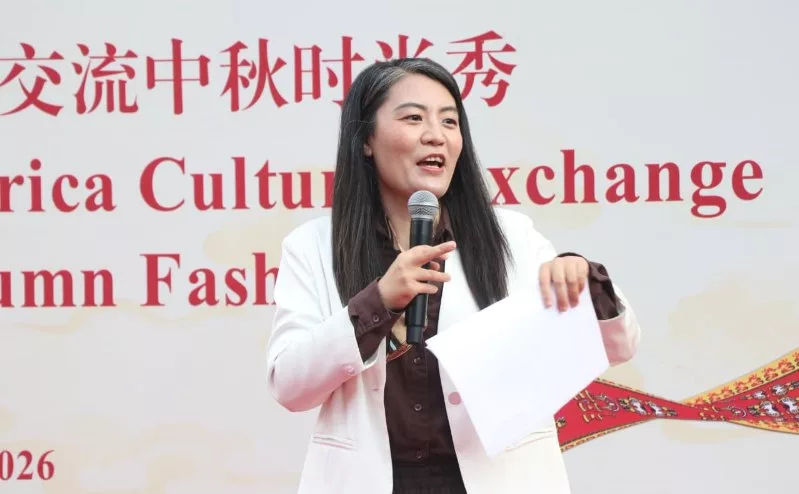 Confucius Institute at the University of Nairobi director Prof Wang Shangxue speaking during the China-Africa cultural exchange mid-autumn fashion show at the Confucius Institute at the University of Nairobi on September 23, 2026/LEAH MUKANGAI
It formed part of a series of activities marking the Year of People-to-People Exchanges, and depicted the cultural dimension in the growing relationship between Kenya and China.
The runway featured traditional and contemporary Chinese fashion alongside African designs – the famous Kenyan Kitenge, with some outfits deliberately blending elements from the two cultures.
The organisers said the fashion show provided a visual expression of the increasingly close people-to-people links between the two countries.
Chinese designs on display included the elegant flowing mamianqun, while contemporary pieces featured sleek silhouettes and modern styling.
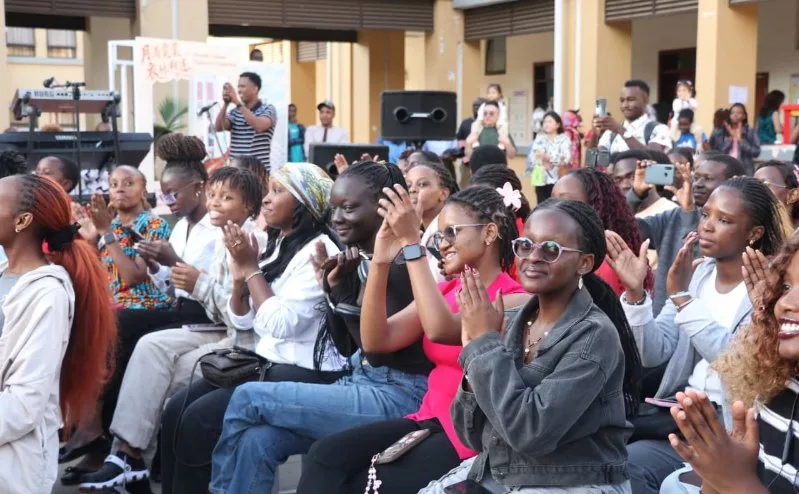 Students and guests during the China-Africa cultural exchange mid-autumn fashion show at the Confucius Institute at the University of Nairobi on September 23, 2026/LEAH MUKANGAI
After: Attire from Inner Mongolia also featured in the presentation, offering guests a glimpse into the diversity of Chinese and Asian traditional fashion.
African fashion was equally prominent, with models displaying Kenyan-inspired designs and other African styles.
The University of Nairobi also showcased its own attire, with designs supervised by Dr Charles Ouma.
The combination of the different styles created a runway that moved between traditional dress and modern fashion, while highlighting areas where African and Chinese aesthetics could meet.
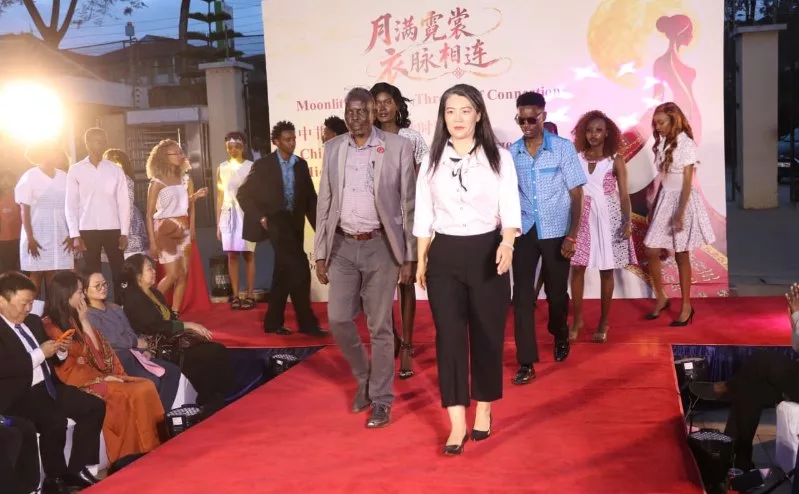 Designer Dr Charles Ouma and Confucius Institute at the University of Nairobi director Prof Wang Shangxue lead the models during the China-Africa cultural exchange mid-autumn fashion show at the Confucius Institute at the University of Nairobi on September 23, 2026/LEAH MUKANGAI
She said the festival was traditionally associated with the harvest and is celebrated on the 15th day of the eighth month of the Chinese lunar calendar, when the moon is at its fullest.
The celebrations at UoN sought to extend that tradition into a cultural exchange, bringing Chinese traditions into contact with Kenyan culture.
The evening also featured performances by East African talking drums, adding a distinctly African element to the festivities.
University officials and representatives of the Chinese community in Kenya attended the event, including members of the Jiangsu Chamber of Commerce and the Kenya-China Women Association.
Hunan TV International was also represented at the event.
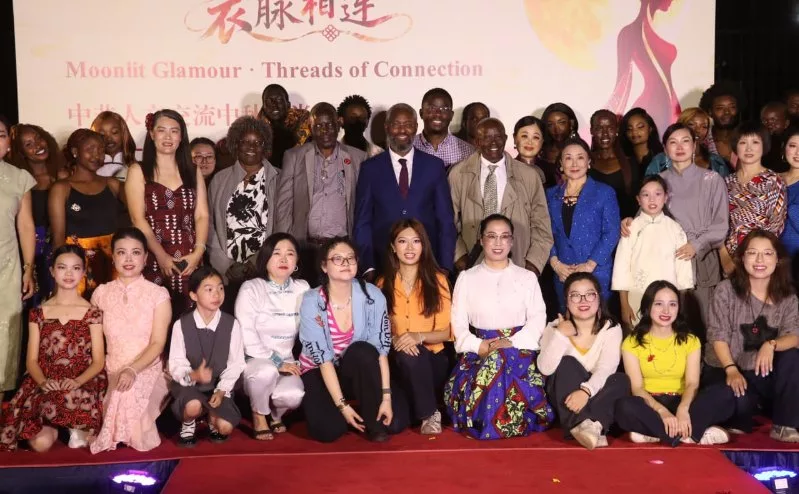 Officials pose for a group photo with models during the China-Africa cultural exchange mid-autumn fashion show at the Confucius Institute at the University of Nairobi on September 23, 2026/LEAH MUKANGAI
Deputy Vice Chancellor of the University of Nairobi Professor Jasiah Omollo Aduda, Former University of Nairobi Vice Chancellor Professor Stephen Kiama and Dean of the Faculty of Arts and Social Sciences Professor Jack Odhiambo were among the guests.
The event also featured displays linked to Chinese language and education, including Chinese textbooks and publications from Xiamen International Book Company.
African dance performances and display formed part of the wider cultural presentation.
The organisers said people-to-people exchanges were an important component of the China-Kenya relationship.
The arrangement allows citizens of the two countries to interact beyond formal diplomatic and economic engagements.
The fashion show provided a platform for students and members of the Chinese community to participate directly in that exchange.
For the university students, the event offered an opportunity to learn about Chinese culture while presenting aspects of Kenya's own cultural identity.
For members of the Chinese community, it provided an avenue to share traditional and contemporary Chinese fashion with a Kenyan audience.
The blending of designs also reflected the growing interaction between the two cultures, as fashion provided a common platform for cultural expression.
The Mid-Autumn Festival celebrations are among a series of cultural activities through which the Confucius Institute promotes Chinese language and culture in Kenya.
At UoN, the event was a meeting point for the two cultures, with music, fashion and cultural displays sending the message of closer people-to-people relations.
The organisers said such exchanges complement the expanding ties between Kenya and China in areas including education, trade, investment and cultural cooperation.
On the runway, however, the relationship was expressed through fabric, colour and design, with African and Chinese fashion sharing the same stage.






