The push to give residents a direct say in Kirinyaga’s development priorities has moved to the county assembly, with a petition seeking a formal mechanism for residents to shape planning, budgeting and oversight.
The petition, dubbed 'The Kirinyaga We Want', wants MCAs to allow representatives of residents to present their priorities on the floor of the assembly and establish a special subcommittee for continuous public participation.
The initiative, championed by head of presidential special projects and creative economy coordination Dennis Itumbi, seeks to consolidate views gathered through public consultations and translate them into a development charter covering the county’s 20 wards.
The petition says residents should define their own priorities instead of relying on agendas developed elsewhere.
“We believe that government exists to serve the people; that development must be visible in the lives of ordinary citizens; that public resources must produce public value,” it states.
It asks the assembly to consider the agenda, refer it to relevant committees where appropriate and adopt a resolution on the priorities.
It further proposes that approved priorities be forwarded to the county executive for consideration in the County Integrated Development Plan, Annual Development Plans, County Fiscal Strategy Paper, budgets and appropriation bills.
The petitioners argue that residents should define the kind of county they want to build, anchored on development, opportunity, accountability and equitable resources.
The initiative identifies 12 priorities, led by agriculture, followed by water, roads, healthcare, youth jobs and skills, women’s economic empowerment, investment and industrialisation, modern markets, environmental conservation, education, equitable development and accountable government.
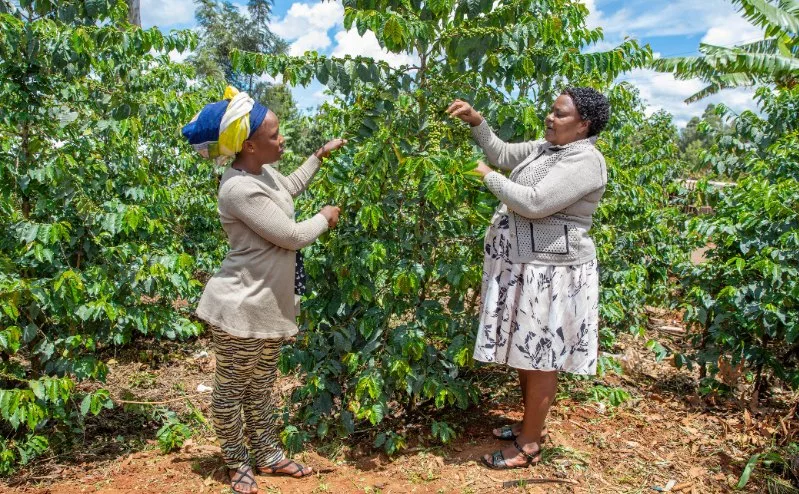
On agriculture, the petition calls for improved extension services, irrigation, stronger farmer cooperatives, markets, storage, value addition and access to finance, seeking to turn Kirinyaga’s raw produce into a stronger agricultural economy.
“A farmer who produces wealth must not remain poor,” the petition states, proposing wider extension access, reduced post-harvest losses and increased local value addition.
On infrastructure, residents want farm-to-market roads prioritised according to production areas, with the assembly required to publish major project information, including costs, contractors and implementation status.
The petition also proposes that every ward develop a Ward People’s Development Compact through public participation. The compact would identify priority projects based on population, need, existing infrastructure, economic potential and vulnerability.
“The Kirinyaga We Want cannot be designed by one politician. It must be designed by the people of Kirinyaga,” Itumbi previously said during consultations on the initiative.
The framework also proposes an annual People’s Development Scorecard to track what was promised, budgeted, implemented and left outstanding.
Under the scorecard, the assembly would monitor farmer incomes and markets, household water access, road maintenance, staffing and medicines in health facilities, youth employment and training, women-owned enterprises, ECDE facilities, market infrastructure, environmental management and the distribution of projects across wards.
It calls for stalled projects to be identified and completed within set timelines, with disclosure of costs, locations, contractors and progress.
On youth and women, the petition proposes structured enterprise, skills and apprenticeship programmes, greater access to markets and finance, and increased participation of women-owned businesses in county procurement.
Itumbi has described the initiative as a move from slogans to a measurable agenda for holding leaders accountable.
“We don’t want to sloganise our way into development. We want to compile our own development,” he said.
The initiative has, however, drawn opposition from Governor Anne Waiguru, who has rejected calls to divide the wider Mt Kenya region into political blocs and dismissed the proposal to realign parts of Kirinyaga along an East-West framework.
The petition says its focus is development and citizen participation and asks the assembly to establish a special “Kirinyaga We Want” subcommittee to involve residents in collecting and prioritising their views.
Every ward would also have a published priority list, annual implementation report and feedback mechanism.
“Ours is to chart our own path as Kirinyaga, to fight illicit brew and to ensure our political identity is established; we will not relent,” Itumbi said during a recent county engagement.
“Our County. Our Future. Our Voice. Our Responsibility,” the petition declares.
The move marks the latest stage in the initiative, which began with public consultations in different parts of Kirinyaga and is now seeking to place residents’ priorities formally before their elected representatives.