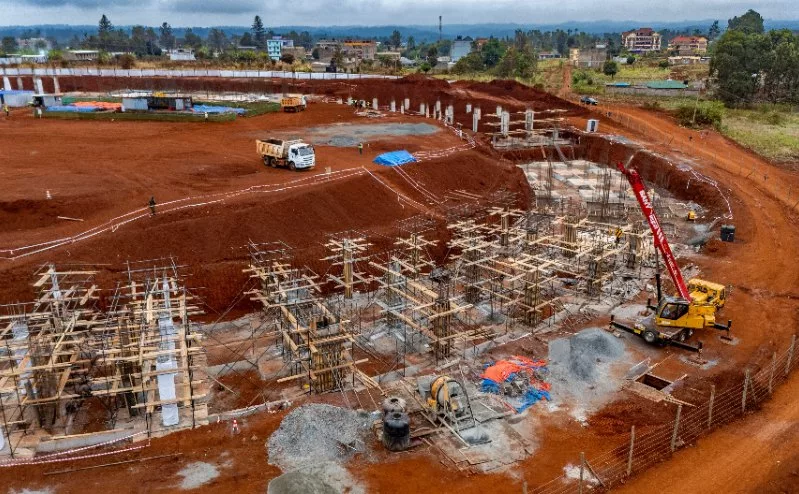
 Gakogio stadium under construction/DPCS
Young athletes in Murang’a will gain access to improved sporting facilities with the construction of the Sh900 million Gakoigo Stadium in Maragua Constituency.
The modern facility will seat 10,000 people and is designed to meet international standards.
The stadium is part of a 32-stadium network being developed across the country to promote sports and create opportunities for young people to earn from their talents.
The government is investing billions of shillings in the construction and expansion of sports facilities across the country as part of efforts to promote talent, create employment for young people and spur economic growth through sports and the creative arts.
Deputy President Kithure Kindiki on Wednesday described the ongoing expansion of sports infrastructure as the most expensive programme of its kind in Kenya's 63-year history.
“The current sports facility expansion is the most expensive and costly in Kenya's 63-year history,” Kindiki said.
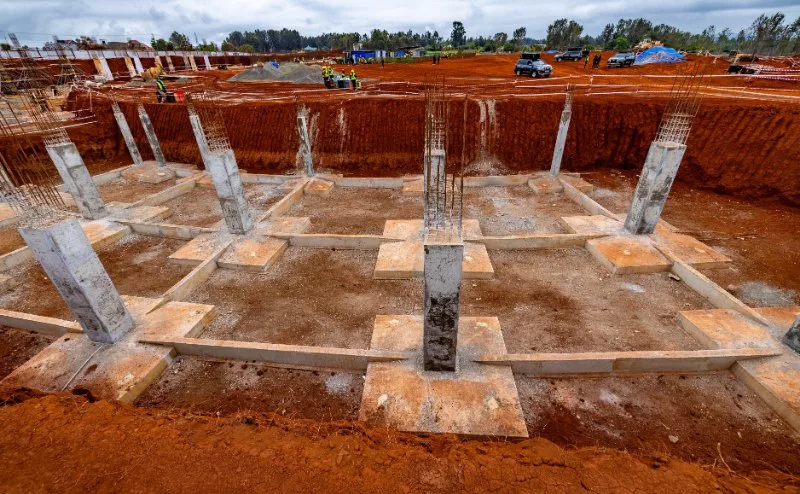 Gakogio stadium under construction/DPCS
The facility is designed to meet international standards and will include a football pitch, tartan-finished running track, changing rooms, washrooms, covered terraces and ample parking.
It will also have covered terraces to shelter spectators and adequate parking for visitors.
The existing Gakoigo grounds will also be upgraded and retained as a training ground and venue for community-level sporting competitions.
The development is expected to give athletes better facilities to train and compete while providing local communities with a venue for grassroots sporting activities.
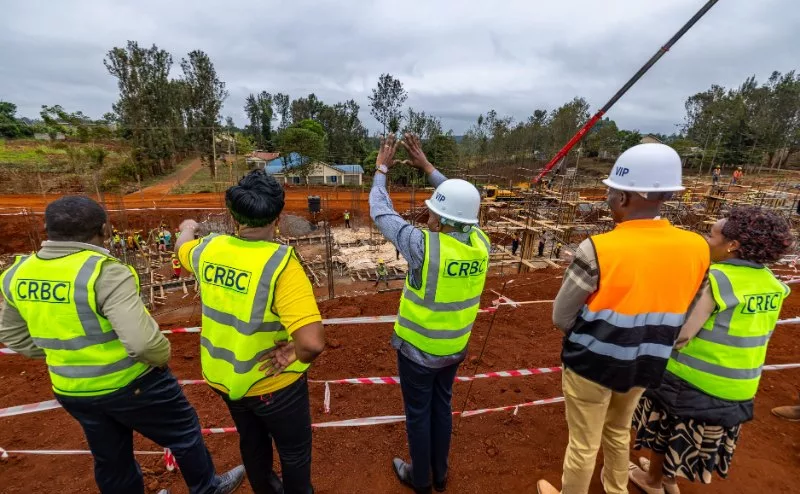
Once completed, the facility is expected to expand access to modern sporting infrastructure in Murang’a County and provide young people with a platform to develop their skills and pursue opportunities in sports.
Kindiki said he had been sent by President William Ruto to inspect the progress of the project, assuring residents that construction would continue until completion.
“I want you to know that this work will not stall. It will continue until the day we complete this project,” Kindiki said.
The Deputy President also directed that young people from the area should benefit from employment opportunities created by the construction project.
“We have told the contractor, as the government, that most of the youths who will work on building the stadium should be youths from this area,” he said.
Kindiki said the government was implementing several infrastructure projects across the country, including markets, roads, affordable housing, hostels and stadiums, which he said should create opportunities for local communities.
He said the government did not want situations where contractors bring workers from outside an area while leaving local residents without employment opportunities.
“We will make sure we keep the young people of our country busy wherever they are,” Kindiki said.
The Deputy President also used the occasion to encourage young people to take advantage of available employment opportunities and use their skills to support their families and contribute to national development.
He praised youths working on the stadium project, saying their willingness to wake up early and work was a positive example to other young people.
Kindiki also cautioned young people against alcohol and drug abuse, saying such habits could undermine their ability to contribute to their families and communities.
He said the workers would not only earn income from the project but would also have their contribution recorded in the history of the stadium.
“When this stadium is completed, when the history of Gakoigo is written on how it was constructed, your names will be remembered as some of the people who took part in its construction,” he said.
The inspection was attended by Maragua MP Mary Wamaua, Kangema MP Peter Kihungi and other local leaders.
The leaders emphasised the need for contractors to maintain the required quality standards during the remaining construction period.