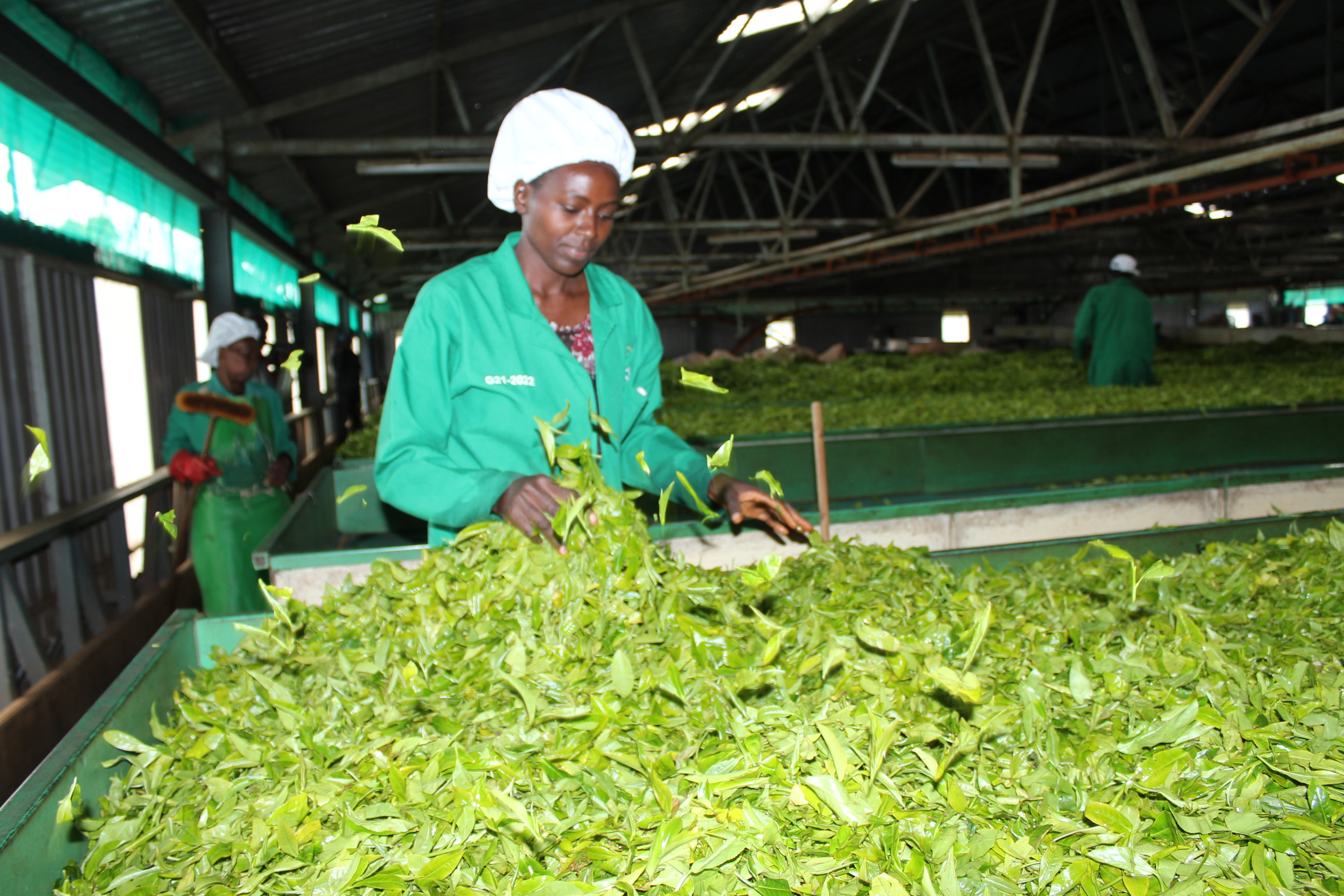
Kenya’s tea industry cannot be declared healthy when the farmers who keep it alive are struggling.
The government has taken steps to revive the sector, including subsidised fertiliser, factory modernisation, value addition and efforts to open new markets. These are welcome. But reforms must not become an end in themselves. Their success must be judged by what reaches the farmer.
Farmers must also seize the opportunity. Those receiving subsidised fertiliser should use it properly, improve husbandry and produce better-quality leaf. Kenya cannot protect its position as one of the world’s leading tea producers and exporters without productive farmers and quality tea.
Factory managers and directors must also remember who owns these businesses. The farmers who deliver the leaf are their shareholders. They deserve efficient factories, prudent use of their money and clear explanations about the performance of their companies.
Directors must put farmers’ interests ahead of personal or political considerations. Factory managers must control waste, improve efficiency and seek better returns from the market. Poor governance cannot be allowed to continue at the expense of growers.
Kenya produces tea that is valued around the world. The bigger challenge is ensuring that more of the value created by that tea comes back to the people who grow it.
Quote of the Day: "There cannot be a stronger natural right than that of a man's making the best profit he can of the natural produce of his lands."—US Founding Father Benjamin Franklin published a hoax letter, 'An Edict by the King of Prussia', in the Public Advertiser on September 22, 1773, criticising Britain's colonial policies in the American colonies