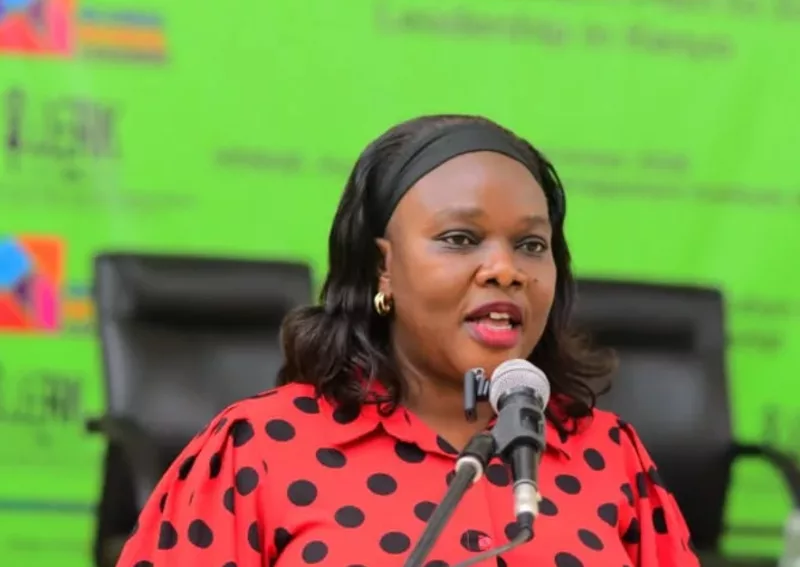
It has been interesting watching the governor of Mombasa doing press briefings about the impending El Niño rains and its effects.
It is almost impressive how the county is presenting itself on the matter. They appear to be well informed about the situation as they outline their plans.
The real question, however, is how many of those plans will be implemented in time. Or are they waiting to fix the disaster after it has struck?
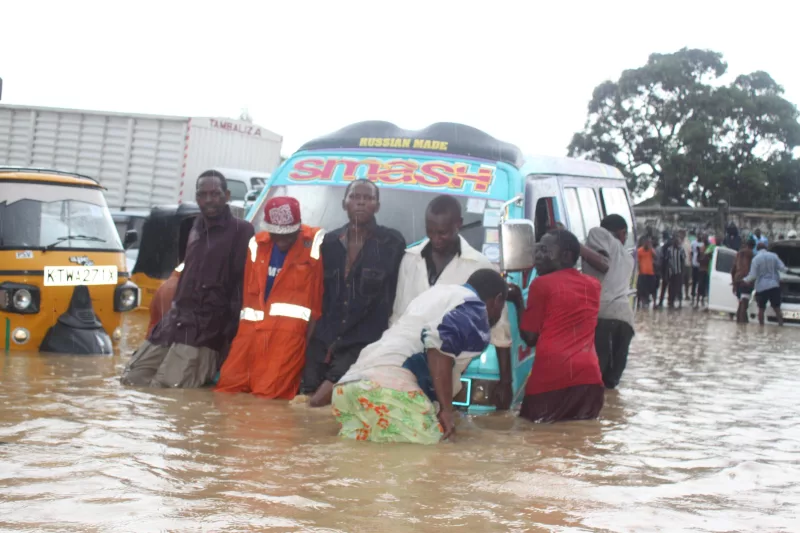
Just a couple of days ago, it rained so heavily in Mombasa for one afternoon, people were already using boats to move around the neighbourhoods.
I have distant memories of the El Niño rains in the mid-90s. I was very young but I remember the effects it had on the people of the Coast. Whether it be heavy rains or El Niño, Mombasa is a flood plain lying zero degrees above sea level. The poor constructions and inactive drainage systems play a big part in the flooding of certain areas. Areas like Kisauni, Bamburi and Utange are all susceptible to flooding.
A couple of election years ago, the county government thought it an electable good deed to build a cabro road network connecting most of these neighbourhoods. While the roads are somewhat helpful to the communities because they do not turn into mud paths during the rain season, they ironically turn into rivers because they were built without drainage systems on the side. The cabro roads that were meant to make people's lives better turn into knee-high concrete rivers. Residents are forced to wade in those waters or cling to the muddy edges.
Worse still, most of these waters are mixed with sewage water and grey water coming out of people’s houses as sewage systems in these neighborhoods are unheard of. This already increases the threat of water-borne diseases exponentially as people are exposed to various sources of untreated sewage.
That being said, even though the county government is presenting a readiness front from a PR perspective, the fact remains that the devastation to be expected will be far worse than any preparation measures that would have been taken. Especially since most of Mombasa is a construction zone with the ongoing construction of the Mombasa-Malindi highway.
As someone who spent three years commuting through Thika Road during its construction, I can’t help but point out the clear differences between the two roads' construction. For Thika Road, it was imperative to move the sewage systems and drainages before demolishing the old roads. Newer roads that were later destroyed were built to create ways to ease congestion. None of this is happening with the Mombasa-Malindi highway construction. It is almost as though the contractors only care about getting their work done with as little inconvenience as possible.
Between the poor drainage systems in most parts of Mombasa, the colonial sewer systems on the island and the non-existent drainage systems on the highway, I can imagine just how bad the flooding will be.
Will the predicted super El Niño that is expected to hit the coastline of Africa have devastating effects even with the ongoing preparations? I believe so. It is way too late to expect some miracles when we have been living the same reality every rain season. Perhaps this is a lesson to our government to focus on rebuilding the city and correcting the wrong that has been our norm for decades, instead of waiting for a natural disaster and finding ways around it.