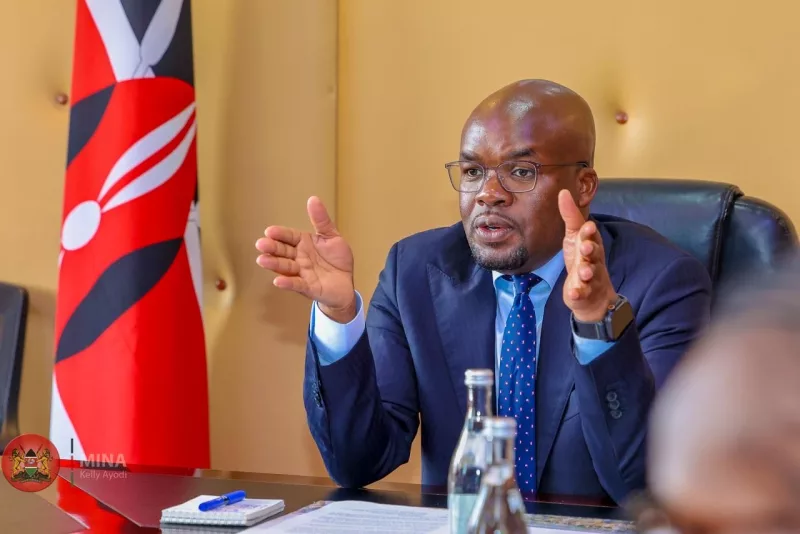
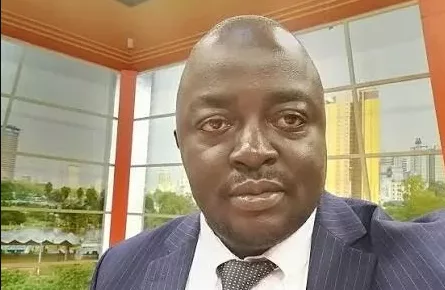
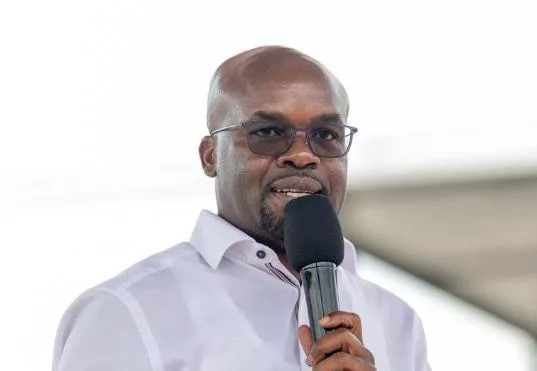
 Dr Raymond Omollo, PhD, CBS Principal Secretary, State Department for Internal Security and National Administration./|HANDOUT
Recently, during one of our disaster-preparedness meetings, I found myself reflecting on a TV interview with the astrophysicist Neil deGrasse Tyson that I watched a few years ago.
In that interview, he boldly stated that Earth is not a safe haven for human life because, in his words, it is “out to kill us every opportunity it gets.”
His words have always stayed with me because they capture, in stark terms, the unpredictability and power of the natural forces that we, as human beings, must prepare to confront– not as an option, but as an obligation.
For those of us entrusted with the responsibility of keeping wananchi safe, this possibility is never far from our minds, especially as we approach the October-December (OND) El Niño rains.
Personally, I often find myself thinking not only about the hazards themselves but also about the lives, homes and livelihoods that depend on how seriously we take the forecastsand preparedness.
We have faced similar challenges before, and the humanitarian impact of past floods offers a reminder of what is at stake. As we prepare for the rains ahead, we must learn from those experiences and get it right this time.
Yet preparation begins with recognising the limits of what we can control. We cannot stop an earthquake. We cannot dictate when or where a storm will strike. And we certainly cannot stop the rain. What we can do is prepare for it.
That, perhaps, is the furthest that human agency can go.Sadly, almost every rainy season, we have seen flooding, displacement and destruction.
Families have lost loved ones. Homes and livelihoods have been destroyed. Roads and bridges have been damaged. Tragically, during the two consecutive seasons of extreme rainfall between October 2023 and May 2024, we lost more than 490 lives, while more than 729,000 people were displaced.
We cannot undo those losses, but we can learn from them. And this time, let us get it right –both individually and collectively.
From the governmentside, we have been working to strengthen our preparedness. With some counties, particularly in the North Eastern region, expected to experience an early onset of the rains, we are leaving nothing to chance. We have been mapping flood hotspots and identifying vulnerable drainage systems, roads, bridges and other critical infrastructure.
Various agencies are currently clearing and desilting drainage channels, culverts, and other watercourses to improve water flow and reduce urban flooding. In fact, you may have seen the Climate WorX teams in your neighbourhood undertaking solid-waste clearance. At the same time, we are strengthening community-level early-warning systems through Chiefs, Assistant Chiefs, and Nyumba Kumi structures, while rapid-response teams remain on standby for search and rescue, evacuation and post-disaster assessments.
We also continue to strengthen the capacity of the National Disaster Operations Centre (NDOC) to coordinate emergency response, relief and humanitarian assistance, as well as disaster risk reduction and mitigation.
But no contingency plan can anticipate every turn of events.
The recent floods in Nepal’s Rasuwa district provide a particularly important reminder that disasters can emerge from combinations of hazards that conventional systems may not have been designed to anticipate. The lesson for us is clear: preparedness must not only respond to what we expect, but also leave room for what we cannot predict. We are, therefore, progressively updating our emergency plans, recognising that no two disasters are exactly alike and that preparedness must be flexible enough to respond when circumstances change.
But the government can only go so far. Preparedness is not something we can simply deliver to wananchi; it is something we must build with wananchi. This is why we must all be part of the solution. That responsibility begins with government – to listen to the science, communicate clearly and act early – but it does not end there.
Every plastic bottle, food container, polythene bag or other piece of waste carelessly thrown onto our streets can eventually find its way into a drainage channel. When the rains come, a blocked drain is no longer simply an environmental nuisance. It can become a flood risk.
That is why we must keep our surroundings and drainage channels clear; take public alerts and evacuation advisories seriously; avoid crossing or driving through flooded roads, bridges and waterways; keep our children away from swollen rivers, dams and drainage channels; and most importantly, share information on blocked drainage systems, damaged infrastructure and other emerging hazards with the relevant authorities.Those living along river banks, riparian reserves, low-lying areas and locations prone to flash floods or landslides should be prepared to move to safer ground when advised to do so.
Experts will also tell us that forecasts are probabilities, not promises. They help us understand what is more likely to happen, but they cannot tell us with absolute certainty what will happen at every location and at every moment. As such, we must confront the danger of what experts sometimes refer to as warning fatigue – the tendency to become less responsive when warnings are issued repeatedly without an immediate visible consequence.
Our intention is not to alarm wananchi every time rain clouds gather, nor to create unnecessary fear. It is to build a culture in which credible warnings are trusted, understood, and acted upon. There is no reason for panic, but there is every reason for preparedness. That is why a forecast must lead to action through shared responsibility.
We will continue to prepare, remain vigilant and strengthen our response capacity. We will listen to the science, act on credible warnings and do everything within our power to prevent a natural hazard from becoming a preventable tragedy.
We cannot stop the El Niño rains, but we can control how prepared we are, whether we act early, whether we heed warnings, and whether we look out for one another.
And this time, let us get it right.
The writer is the Principal Secretary, State Department for Internal Security and National Administration