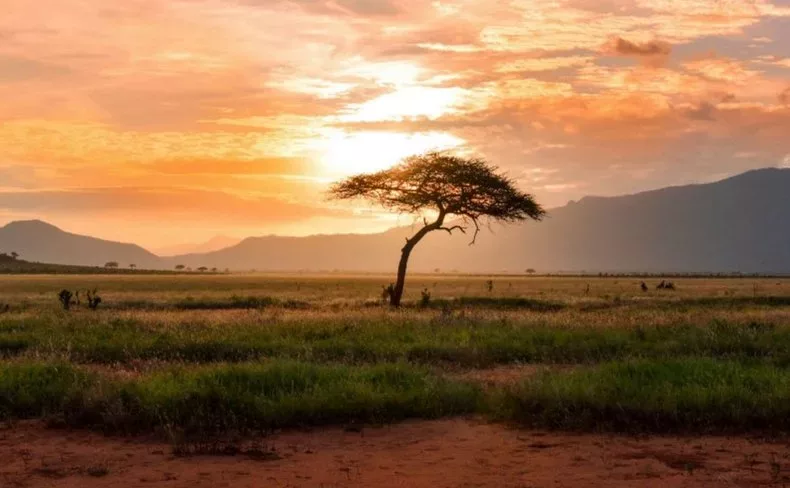
 Dry conditions across most parts of the country / FILE
Most parts of Kenya are expected to remain generally dry this week as the country approaches the October–December (OND) short-rains season.
The Kenya Meteorological Service (KMS) said in its weekly forecast for September 8–14 that rainfall is likely in parts of Lamu, Kilifi, Tana River, Mombasa, Kwale, Narok and Bomet counties.
Farmers have been encouraged to use the dry period to prepare their farms and inputs ahead of the expected short-rains season.
The weather service also urged communities living in flood-prone areas to remain alert and ensure drainage channels are clear in preparation for the rains.
Meanwhile, several parts of the country are expected to experience warm to hot daytime conditions, with temperatures likely to exceed 30°C in parts of Kilifi, Tana River, Lamu, Garissa, Wajir, Isiolo, Marsabit and Turkana.
Cooler nights are expected in parts of Meru, Tharaka-Nithi, Kirinyaga, Murang’a, Nyeri, Nyandarua, Laikipia, Nakuru, Narok, Taita/Taveta and Kajiado, where temperatures could fall below 10°C.
Residents in hot areas have been advised to stay hydrated, while those in areas experiencing cooler nights have been urged to keep warm.
The Kenya Meteorological Service has also urged the public to continue following official weather updates and advisories as the country prepares for the OND short-rains season.
In early August, Kenya Met said that most areas of the country will remain dry through August and September before scattered rains begin in October.
The forecast comes as the world's top weather agency warned the country could be heading for one of its strongest El Niño seasons in years.
The World Meteorological Organisation (WMO) earlier said a strengthening El Niño, combined with a positive Indian Ocean Dipole, will increase the likelihood of heavy rains across Kenya and the greater Horn of Africa region.
"El Niño is one of the most closely monitored climate phenomena in the world. But forecasts in themselves do not prevent hazards; people do. This El Niño developing against the backdrop of unprecedented ocean heat and rising temperatures provides governments and communities with a window of opportunity to anticipate risks and act before impacts unfold," WMO Secretary-General Celeste Saulo said.
WMO forecast that El Niño would strengthen rapidly between August and October, while the Indian Ocean Dipole is also expected to turn positive.
Together, the two climate systems are expected to shape weather across much of the world, with the Greater Horn of Africa likely to receive above-normal rainfall.
The Indian Ocean Dipole is important for Kenya because it often determines whether El Niño will bring heavy rains.
During a positive IOD, sea surface temperatures in the Indian Ocean near the East African coast become warmer than normal while waters near Indonesia cool.
The warmer waters release more moisture into the atmosphere, encouraging cloud formation and increasing the likelihood of heavier rainfall over Kenya and neighbouring countries.