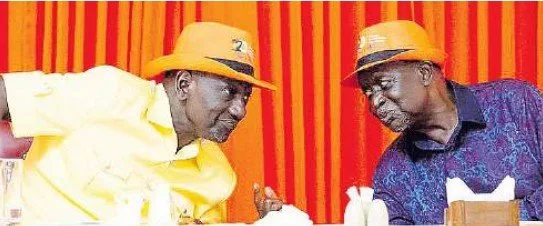
The emerging tensions between UDA and ODM over election tickets are a warning that political alliances built at the top can quickly meet resistance at the grassroots.
As President William Ruto and ODM leaders seek to consolidate their cooperation ahead of 2027, they must remember that democracy cannot be sustained through elite agreements alone, but through credible competition.
The debate over zoning seats, joint nominations and direct tickets goes beyond party arithmetic. It touches on a principle: voters, not party negotiators, should determine who represents them.
Politicians who have spent years building support among voters will naturally resist being asked to step aside for arrangements reached behind closed doors. Such decisions risk breeding resentment, rebellion and independent candidates, weakening the coalition they are intended to strengthen.
Coalitions are not new in Kenya’s politics, nor are power-sharing arrangements. But attempts to impose candidates can generate division rather than unity. The most successful political partnerships are those anchored in transparent rules, fair nominations and respect for the electorate’s will.
UDA and ODM therefore face a balancing act. They must protect their alliance without undermining internal democracy. If joint candidates are considered, the process must be open, consultative and based on political strength rather than elite bargaining.
Ultimately, the success of any coalition will not be determined by how many seats leaders divide among themselves, but by whether citizens believe their voices still matter. In a democracy, the ballot must prevail over boardroom deals.
Quote of the Day:
“Democracy is not a spectator sport.”—American politician Bernie Sanders was born on September 8, 1941