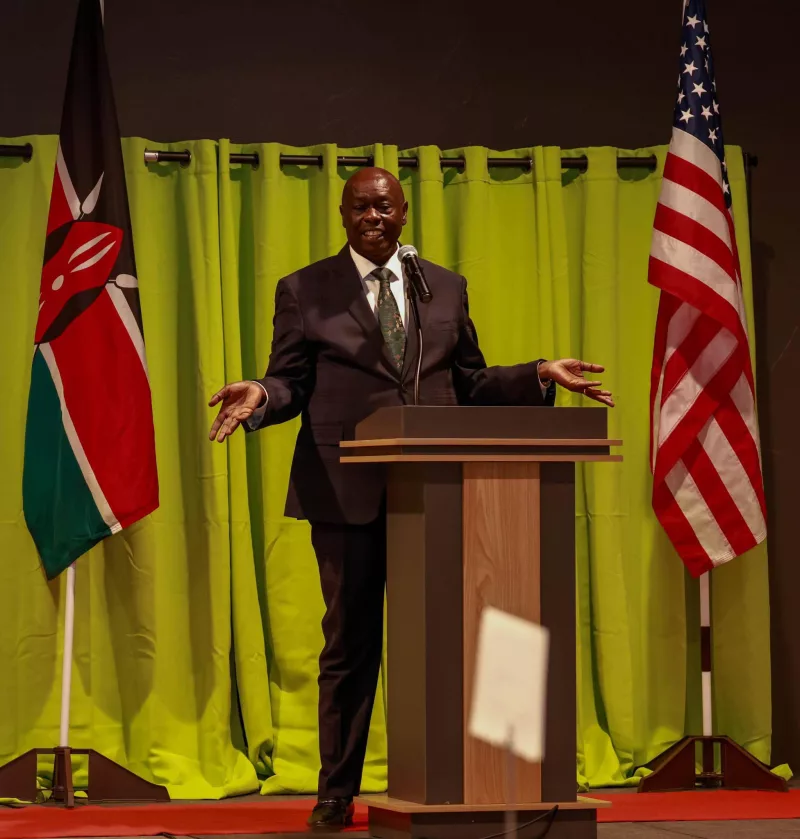
National Treasury Cabinet Secretary John Mbadi/FILE
The government has been caught digging deeper into public coffers outside the spending plans approved by Parliament.
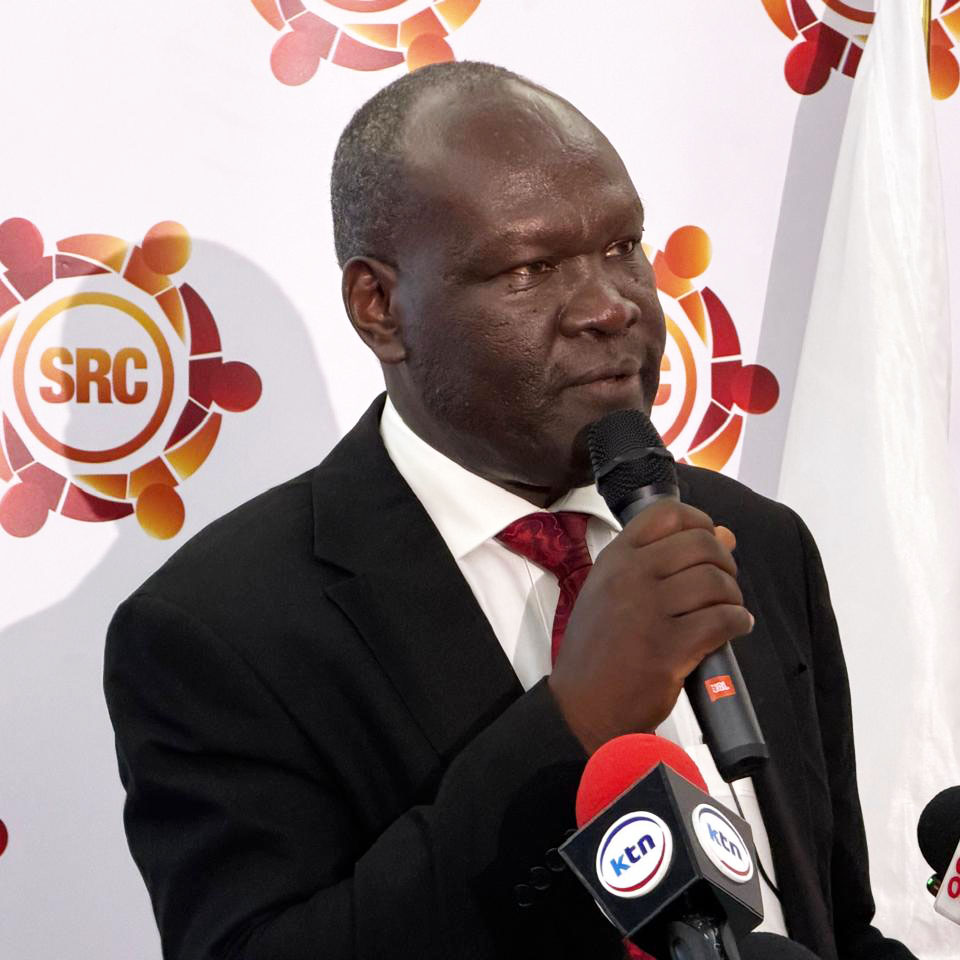
Controller of Budget Margaret Nyakang’o has revealed that unauthorised expenditure has tripled to Sh209.37 billion in just one year.
The development has sparked questions about budget discipline and the growing use of Article 223 of the Constitution to finance expenditure that should ordinarily have been provided for in the original budget.
Nyakang’o warned that the constitutional provision is increasingly being used to meet government obligations that were neither unforeseen nor emergencies.
In her National Government Budget Implementation Review for the period ended June 25, Nyakang’o revealed that expenditure approved outside the parliamentary budget increased from Sh66.54 billion in the previous year to Sh209.37 billion.
That is an increase of more than Sh142 billion in one year.
The National Treasury had sought Sh281.46 billion under Article 223, equivalent to six per cent of the gross national budget.
The Controller of Budget cut the request to Sh209.37 billion.
“The Cabinet Secretary responsible for the National Treasury approved additional funding under Article 223 of the Constitution amounting to Sh281.46 billion. This amount represented six per cent of the gross national budget,” the report states.
The Treasury itself emerged as the biggest beneficiary of the arrangement, spending Sh148.20 billion outside parliamentary approval.
Treasury CS John Mbadi had approved Sh151.13 billion, but the Controller of Budget authorised a lower figure.
The Interior Ministry spent Sh6.12 billion from the Sh7.2 billion approved by the Treasury CS, while State House spent Sh4.45 billion against an approval of Sh6.8 billion.
The State Department for Roads spent Sh4.09 billion, Higher Education Sh4.03 billion and Social Protection Sh3.56 billion.
The State Department for Sports spent Sh3.9 billion, while the National Police Service spent Sh2.07 billion.
The Office of the Deputy President spent Sh631 million, with the Executive Office of the President spending Sh318.51 million.
But the Controller of Budget also rejected some requests.
For instance, the National Intelligence Service had sought Sh4.50 billion, but the entire request was rejected.
Similarly, Mbadi approved Sh3.61 billion for the State Department for Energy, but the Controller of Budget rejected the request.
Article 223 is meant to allow the government to respond to expenditure that could not reasonably have been foreseen during the preparation of the annual budget, or to emergencies.
But Nyakang’o found instances where it was being used to finance routine government operations.
“The Controller of the Budget observed that some of the approvals under Article 223 of the Constitution concerned routine, day-to-day office operations but had not been allocated funds in the budget formulation process,” the report states.
The State Department for Sports, for instance, sought Sh3.9 billion under Article 223(1) to meet the country’s contractual obligation for the Africa Cup of Nations (AFCON) 2027 hosting rights, due on March 30, 2026.
The expenditure had already been included in the draft budget estimates for 2025-26. It was omitted from the approved budget and subsequently financed through Article 223 before being regularised through Supplementary Estimates No. I.
A similar case occurred in 2024-25 when Sh1.68 billion was authorised under Article 223 to meet Kenya’s mandatory hosting fee for the African Nations Championship (CHAN).
Again, the obligation was foreseeable.
This prompted the Controller of Budget to seek clarification on whether the approvals complied with Paragraph 40 (3) and (4) of the Public Finance Management (National Government) Regulations 2015.
The regulations require authorities to establish whether expenditure was foreseeable and known during the preparation of the annual budget.
Nyakang’o has consequently called for a stricter application of the constitutional provision.
“The Controller of Budget recommends that expenditure under Article 223 of the Constitution should be used strictly in line with the requirements on use of Article 223, which is for expenditure that was unforeseen at the time of budget formulation or of an emergency nature,” the report says.
The Controller has also recommended a review of the legal framework governing Article 223 funding and stronger controls to protect fiscal integrity and budget credibility.
“The National Treasury and Accounting Officers should strengthen budget forecasting, commitment planning and scrutiny of expenditure proposals to ensure that all known contractual obligations are adequately provided for in the annual budget.
INSTANT ANALYSIS
The tripling of unauthorised spending exposes deep weaknesses in government budget discipline and parliamentary oversight. Article 223 appears increasingly vulnerable to abuse as ministries seek funds for obligations that were foreseeable during budget preparation. The Sh209 billion figure is especially troubling because it suggests Parliament’s control over public finances is being steadily eroded. Nyakang’o’s findings demand tighter Treasury controls, greater accountability and strict enforcement of constitutional spending safeguards