For Joyce* (not her real name), home has become a place she can no longer associate with safety. Three times, she has watched houses she built for her family go up in flames, forcing her to move from one place to another as she tried to protect her children while pursuing justice for her daughter, who was repeatedly defiled.
Each time she rebuilt, Joyce hoped she had finally found a place where her family could live without fear. But the threats followed her, and the houses she painstakingly put up were eventually torched, leaving her with little choice but to abandon them and start again somewhere else.
“All this torching of the houses is because of the defilement of my daughter. They do that to scare me away [so as] not to report the cases to the police,” Joyce says.
Her ordeal began when her daughter, who is mentally challenged, was five years old and was defiled by an unknown person. The abuse happened again when she was nine, but in both instances, the perpetrator was not identified.
It was not until 2013, when the girl was 15 years old, that she was able to identify the person who attacked her. She was on her way home from school when a stranger approached her and defiled her in a sugarcane plantation.
Her screams attracted the attention of a person nearby, who came to her rescue before she was taken to hospital and the matter reported to police. The suspect was arrested and jailed, according to Joyce, but was released on bond three months later.
It was after his release, Joyce says, that the threats and intimidation began.
The suspect allegedly arranged for her house to be torched, accompanied by a warning that there was no way Joyce could have him put in jail.
Fearing for her safety and that of her children, she left the area and moved to another location, where she bought land and built a new house.
For two years, Joyce tried to rebuild her life away from the place where the attack and subsequent threats had occurred. But the move did not put an end to the fear.
The suspect eventually found her again and was spotted in the neighbourhood riding a motorcycle. About a week later, Joyce heard screams and rushed to check on her daughter, only to find a man attempting to defile her.
According to Joyce, the man threatened her, saying that if she had managed to defeat the previous suspect, she would not succeed this time.
The first suspect also returned, she says, and attempted to defile her daughter while warning the family that they would neither escape nor succeed in having him jailed.
Joyce reported the incidents to police, but the suspect fled before he could be arrested. Months later, her house was torched again.
The first time her house was torched was at the home where she had lived after marriage. Her sister gave her a piece of land where she built another house, but that, too, was burned down after a year.
Joyce then bought another piece of land and constructed a third house. After two years, it was also torched.
The suspect disappeared for a while before returning, and she believes he moves with a group of people who have continued to intimidate her family.
The repeated attacks have left Joyce afraid of returning home, even though she still longs for the stability she once had.
“The cases were closed; I have not had any report from anyone. The only thing that happens is my house being torched, nothing else,” she says.
“We can go back home, but then we fear for our lives as these people may never leave us alone. The suspect has a group and they are ruthless.”
NO ONE TO TRUST
In another case in Busia, Anna* and her family were also forced to leave their home after she disclosed that she had been sexually abused by her father.
Anna says her father defiled her at their home in 2020, when she was in Class 6. After the incident, she confided in some relatives, who took her to stay with a distant relative as the family tried to deal with what had happened.
Her parents did not initially know where she was, and relatives searched for her around the village. When her father returned home, however, Anna says he appeared worried that his daughter was missing because he knew what he had done.
She recalls that he picked up knives and a machete and went to sharpen them, saying they were meant to slaughter a chicken as a sign of a last meal. He also issued threats against her mother.
Fearing for her own safety and that of her other children, Anna's mother took two of her children and fled to their grandmother's home.
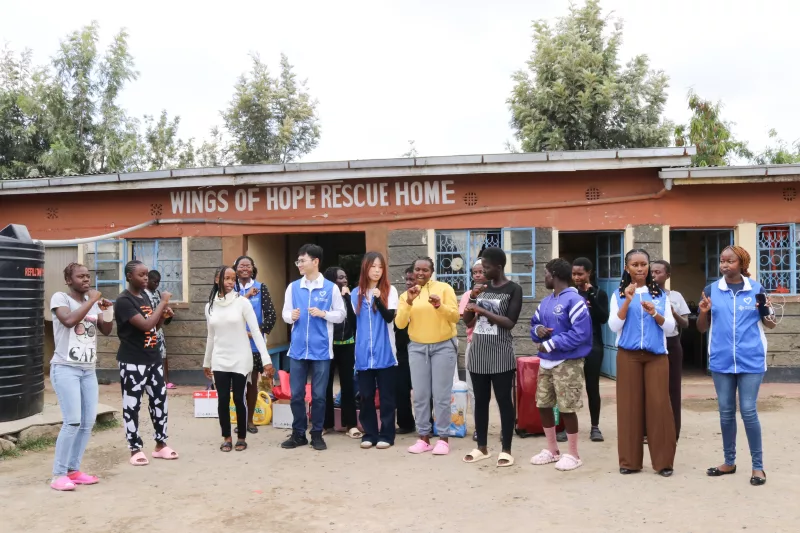
The family was eventually taken to Rural Education and Economic Enhancement Programme in Butula, an organisation that deals with sexual and gender-based violence cases. They were rescued and given a place to stay as the case proceeded.
This came at a time when her education was still taking shape. Despite being separated from her home, she enrolled in school, completed Class 8 and sat the national primary examination.
Her siblings were also enrolled in school, while her mother received support to provide their daily meals. Anna later returned to her grandmother's home for safety as she continued with her education.
Even after completing secondary school, Anna's challenges did not end; she became pregnant before she could join university, later gave birth and says she has since faced immense challenges as she tries to rebuild her life.
HELPING HAND
Jean-Paul Murunga, Equality Now associate director for the End Gender Based Violence programme, said some girls and their mothers are branded “sellouts” by their communities for reporting sexual violence.
This exposes families to further pressure at a time when they should be receiving protection and support.
The displacement, Murunga says, is compounded by gaps in the justice process and limited assistance for survivors after cases are concluded.
“What we've noted is that after accessing justice, some of these survivors and their guardians and parents face retaliation,” he says.
Statistics from the Office of the Director of Public Prosecutions in Busia show slow progression of sexual and gender-based violence cases through the justice system, particularly from prosecution to court processes and conviction.
Murunga added that there is a lack of access to the Victims Trust Fund.
“There's a slow progression, especially from 2021 coming to 2026, in terms of the number of cases that go through the justice system,” he says.
“Up to now… none of the victims and survivors we've spoken about rape, defilement, sexual assault and incest have ever received any support from the board (fund).”
He says such support is critical in helping survivors rebuild their lives and reintegrate into their communities after the trauma of sexual violence and, in some cases, displacement.
Murunga says communities must stop vilifying those who report sexual offences and instead protect them, while government agencies need to implement existing legal provisions meant to support survivors beyond the courtroom.
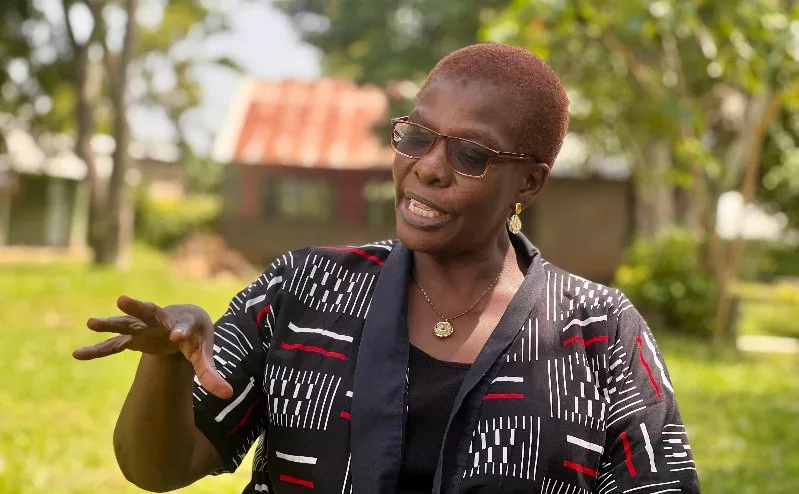
Rural Education and Economic Enhancement Programme founder Mary Makokha says some families in Busia have been forced to leave their communities after refusing to compromise cases involving sexual violence against children.
She says the pressure often comes from relatives of suspects, particularly because many of the cases involve people known to the survivors.
“I have had families that have had to get away from the extended family. They have had to move away,” she says.
“[Suspects’ relatives] will come with money; they will come with everything. And when money comes in, then the survivor's family ends up being divided, for and against.”
Makokha says some mothers have even been forced out of their marriages for rejecting compensation offered to settle cases.
Beyond retaliation, survivors face stigma and repeated trauma as they recount their experiences to police, health workers, courts and members of their communities.
Makokha says some families struggle to keep children in school and protect them while cases proceed.
She says the pressure to withdraw cases is a problem in which communities sometimes protect the suspects while blaming survivors.
Some families have been forced to relocate, and survivors are left without adequate support as they pursue justice.
Makokha says the response must go beyond arresting and prosecuting suspects to protecting survivors and their families from intimidation, ensuring cases proceed without interference and helping affected children rebuild their lives.