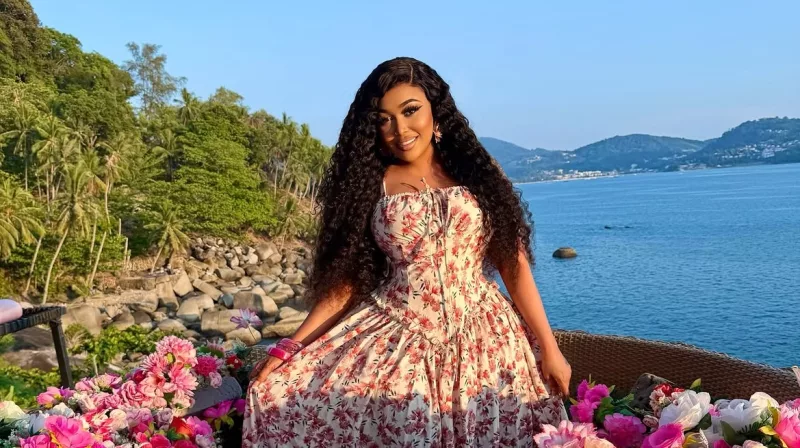
Ciggie Johnson has shared her theory on how counterfeit alcohol is allegedly produced in Kenya, offering a different explanation from some of the popular stories about fake liquor.
According to Ciggie, manufacturers do not necessarily start with completely fake alcohol. Instead, she claims one genuine bottle can be diluted and used to produce several other bottles that still retain the original taste.
“Pombe moja original inaweza tengeneza zingine tano,” she said, claiming that scientists may be instructed to make three bottles from one original product but sometimes end up making five because of greed.
Read Also
Why Fake Alcohol Can Still Taste Original
Ciggie used a simple example to explain her point, comparing the alleged process to milk tea.
“If you take chai ya maziwa and dilute it kidogo, it will retain its taste,” she explained.
She argued that this is why consumers can sometimes drink counterfeit alcohol without immediately noticing a difference in taste.
According to her, if the original alcoholic product is used as part of the process, the resulting drink can retain some of its familiar flavour, making it harder for an ordinary consumer to identify it as counterfeit.
“Mnashangaa pombe ni fake but inataste the original one,” she said, suggesting that the similarity comes from the original product being part of what is allegedly used to make the counterfeit drink.
Ethanol, Sugar And Flavours
Ciggie further claimed that after the original alcohol is diluted, other ingredients such as ethanol, sugar and flavours are added to create a product that resembles the genuine drink.
Her explanation has sparked curiosity because many people associate fake alcohol with drinks that have an obviously unusual taste, smell or appearance.
However, Ciggie’s claims should not be taken as a verified description of the actual process used by counterfeit alcohol manufacturers.

‘You Can’t Use Fake Alcohol To Make Another Fake’
Ciggie also dismissed the idea that manufacturers simply use fake alcohol to create more fake alcohol.
“Hawaezi tumia pombe fake kuunda nyingine fake,” she stated.
She also rejected some of the popular theories about the process, saying it is not simply about using “kichungi na ketepa.”
Her remarks have since added another angle to the ongoing conversation around counterfeit alcohol in Kenya, with some Kenyans left questioning how easily a fake product can imitate the taste of the genuine one.
Regardless of the method used, unregulated alcoholic drinks can pose serious health risks, particularly when consumers have no way of knowing exactly what ingredients have gone into them.