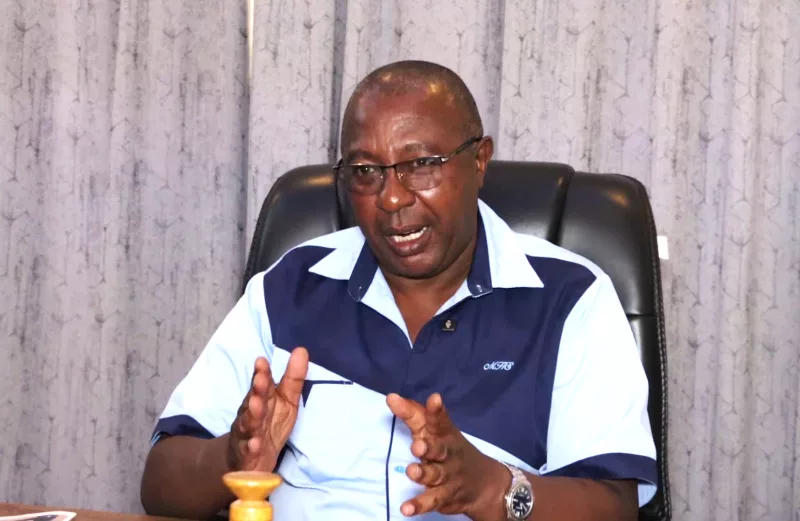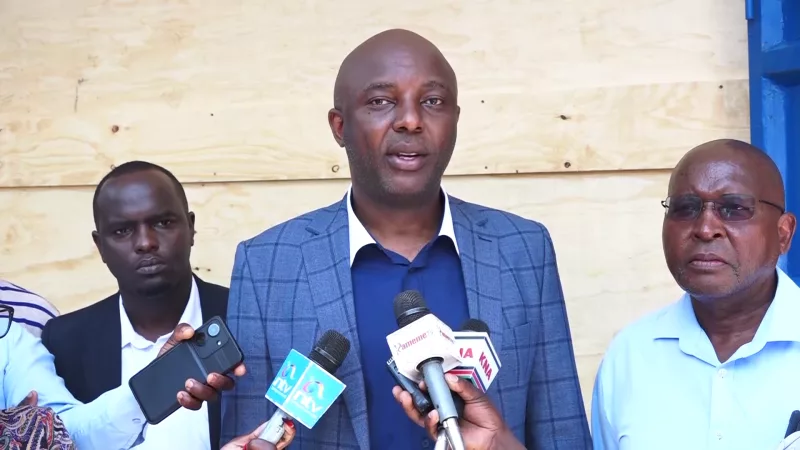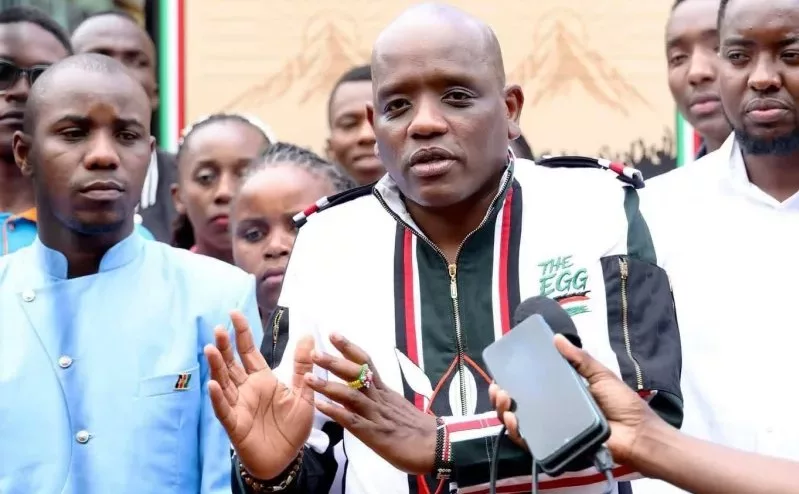
State House head of special programmes Dennis Itumbi has challenged Kirinyaga residents to develop their own political agenda instead of relying on neighbouring counties for direction.
Itumbi, who comes from Gichugu constituency, said that Kirinyaga has for years played a secondary role in the politics of the wider Mt Kenya region despite its population, economic potential and contribution to Kenya’s liberation struggle.
Speaking in Mwea, he urged residents to use their numerical strength to demand greater political influence and a fairer share of national development resources.
“Kirinyaga must begin to ask itself what it wants politically, economically and socially. We cannot continue being an appendage of Mt Kenya East or Mt Kenya West. We must chart our own path,” Itumbi said.
He contended that since the return of multiparty politics in 1992, residents have largely backed political parties and leaders whose power bases lie outside the county, yet have not always secured corresponding political or development gains.
Itumbi maintained that the county should enter future political alliances with clearly defined interests and negotiate with national formations from a position of strength.
“For many years, we have supported political formations whose centres of power are elsewhere but has Kirinyaga gained anything from that support?” he said.
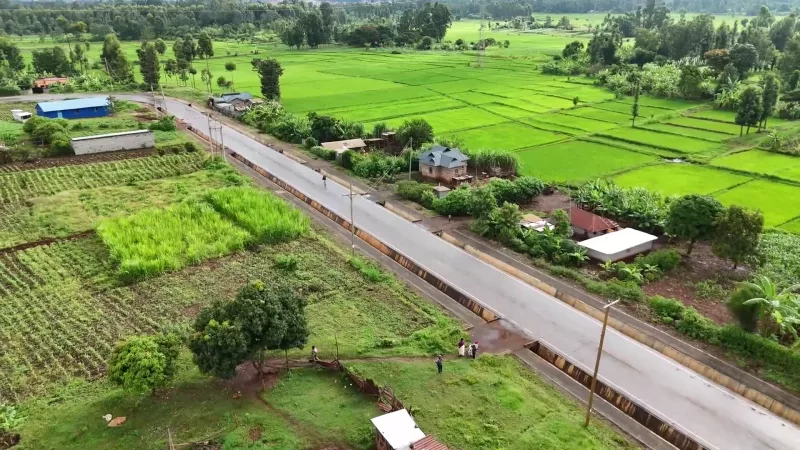
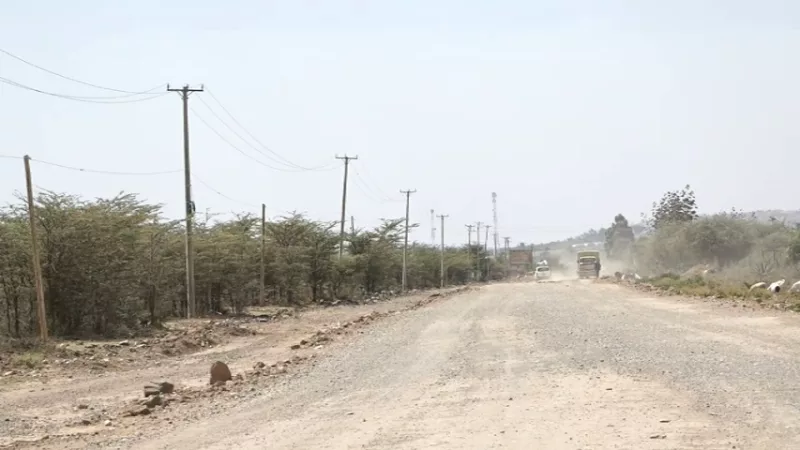
He cited the Mau Mau roads project as an example of what he considers historical neglect, questioning why Kirinyaga did not benefit sufficiently despite its role in the struggle for independence.
Itumbi said the county produced freedom fighters, including General Kassam, and argued that its contribution to the liberation struggle should be reflected in national development priorities.
His remarks come as political activity gathers pace in Kirinyaga, with the county expected to be a key battleground in the contest for influence in the Mt Kenya region ahead of the 2027 polls.
Itumbi announced plans to hold public forums across the county under the ‘Kirinyaga We Want’ initiative, through which residents will identify their priorities and assess government performance.
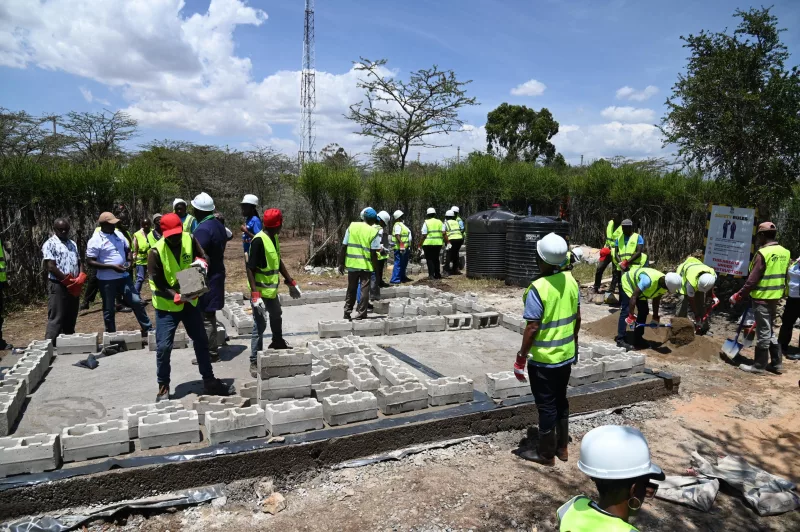
The forums will gather views on agriculture, infrastructure, employment, education, healthcare, water and other development needs, with residents also expected to identify stalled or incomplete projects.
“We want to sit with the people, listen to them and document what Kirinyaga wants. Let them tell us where the government has fallen short and if they are benefitting from the projects already implemented.”
The views collected will be compiled into a county blueprint that Itumbi wants residents to use when engaging politicians seeking their votes in 2027.
He proposed that aspiring leaders be presented with the document and challenged to commit themselves to delivering on the priorities identified by residents.
“When politicians come to ask for our votes, we must have a document on the table that tells them what we want. We should no longer vote first and negotiate later,” Itumbi said.
He stressed that an independent political agenda would not require Kirinyaga to sever ties with neighbouring counties or withdraw from wider regional alliances.
Instead, he said, residents should first agree on their interests before deciding which political partnerships best serve them.
The initiative could inject a new dimension into the region’s emerging political contest, which is increasingly being shaped by rival camps associated with the Democracy for Citizens Party leader Rigathi Gachagua and Deputy President Kithure Kindiki.
Ndia MP George Kariuki has also emerged as a third force seeking to lead the region, accusing Gachagua and Kindiki of demonstrating poor leadership through insults and public barbs.
Itumbi urged residents to participate in the forums and provide evidence of projects that have transformed communities, stalled or failed to address pressing needs.
He maintained that the process should ultimately shift local politics from personalities and slogans towards a measurable agenda that politicians can be held accountable for.
“The Kirinyaga we want cannot be designed by one politician. It must be designed by the people of Kirinyaga,” he said.