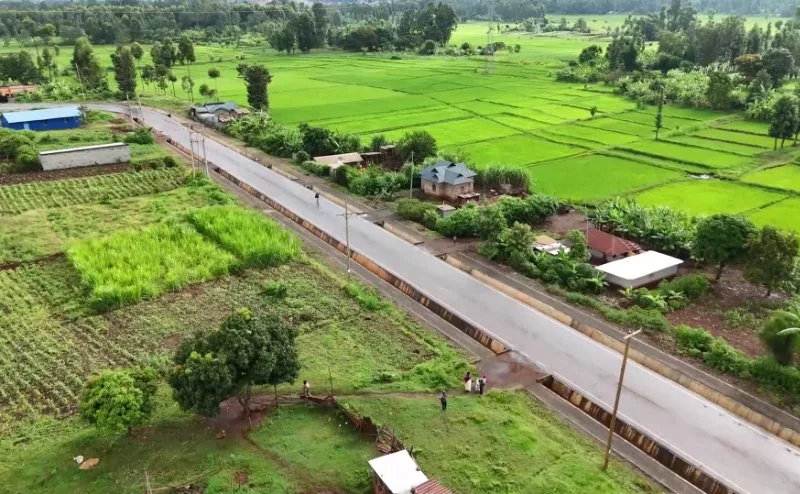
Tarmacking of roads across the expansive Mwea Irrigation Scheme has relieved rice farmers who have for years relied on donkeys and ox carts to transport their produce from farms to homes and markets.
The improved roads have lowered transport costs, reduced post-harvest losses and eased access to markets and essential services in the rice-growing region, which accounts for more than 20 per cent of rice consumed in the country.
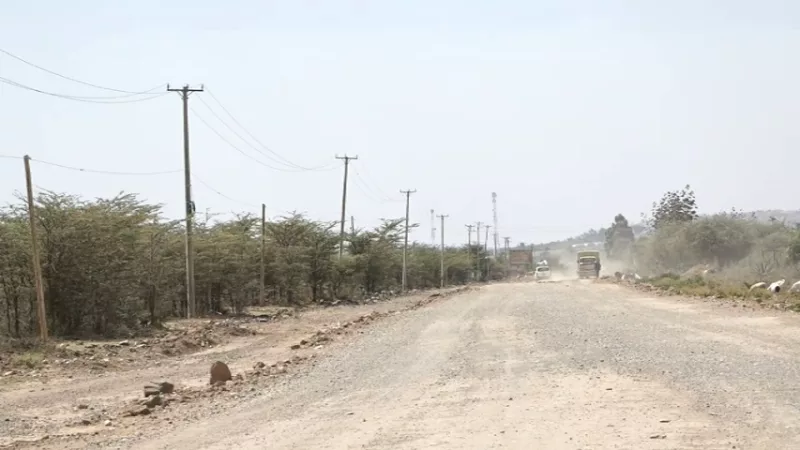
For years, poor road networks remained a major challenge for farmers in the scheme, with feeder roads becoming muddy and impassable during the rainy season.
Farmers consequently relied on animal-drawn carts as an affordable alternative, despite the slow movement and difficulties involved in moving produce from farms to major roads.
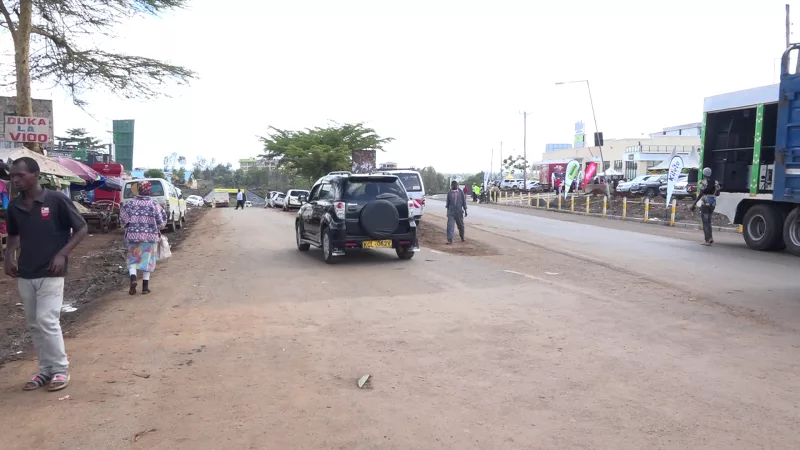
The ongoing road works have now begun changing the situation, with farmers along the Kutus-Kimbimbi road saying improved connectivity has reduced the cost and time required to transport their produce.
“This road has helped us a lot because in the past, transporting produce to the market was very difficult since the road was full of potholes,” resident Peter Warui said.
He said farmers previously spent several hours travelling to markets, with poor roads also pushing up the cost of transporting farm produce.
Warui said transport to Kutus, which previously cost about Sh100, has dropped to around Sh50, while the cost of travelling to Kibingoti has reduced from about Sh200 to about Sh50.
“This road has been of great benefit to us. It has especially improved farming because we no longer spend a lot of money on transport,” he added.
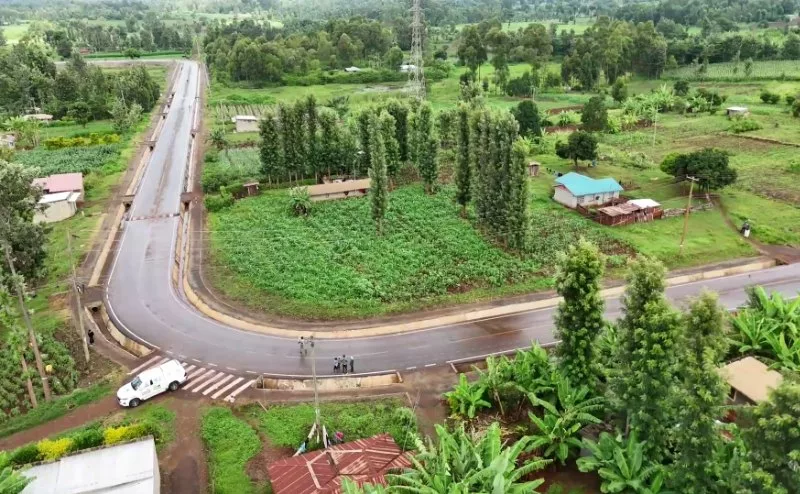
Stephen Murage, a farmer from Kianganga village, recalled the difficulties residents faced before the road was improved, particularly during the rainy season.
“During the rainy season, we struggled a lot with travelling and transporting our produce to Kutus. It was a major problem,” Murage said.
He explained that farmers would harvest their produce and use ox carts or donkeys to move it from farms, sometimes requiring additional people to push the carts until they reached the main road.
Murage said the high transport costs often left farmers with little or no profit after their produce reached the market.
He, however, called for the installation of speed bumps along completed sections to reduce accidents and urged authorities to improve drainage to prevent rainwater from damaging the roads.
The Kutus-Kimbimbi road is among several roads being upgraded in Mwea as the government and contractors seek to improve connectivity across the irrigation scheme.
Other roads under construction include the Piai-Mumbu-Itangi-Kiumbu-Ndindiruku-Marurumo-Gatuiri-Ciagiini-Kiandegwa-Mutithi road, which traverses Murinduko, Tebere, Wamumu and Mutithi wards.
The Kutus-Kiorugari-Kimbimbi-Kanjinji-Togonye-PI road is also expected to improve connectivity across the eastern parts of Mwea.
Other links, including the Kagio-Kinyaga-Ngothi-Kirwara road and Piai-Whiterose-Mutithi road, are undergoing grading, gravelling and surfacing works through the Kenya Rural Roads Authority and local development programmes.
Residents have urged contractors handling the various projects to speed up the works, saying improved roads will open up the area and enable farmers to access markets, hospitals and county government services in Kutus.
Mwea Irrigation Scheme remains one of Kenya’s leading rice-producing areas and a key source of the crop consumed locally, making reliable transport infrastructure critical to farmers’ incomes and food security.