There is a special kind of panic that only Kenyan firstborns know. It usually begins with a phone call at night, say 10.47pm.
“Uko wapi?” your mother asks. Before you answer, she adds, “Brother yako amesema school fees imeongezwa.” Translation? Congratulations. You are now the Ministry of Finance.
I’m not a firstborn myself, but I grew up watching firstborns move through life like unpaid assistant parents. In Kenya, being the firstborn is less of a birth order and more of a government posting.
Somewhere between changing diapers for younger siblings and explaining Helb applications to confused cousins, many Gen Z firstborns quietly become emotional support humans for entire households. And the craziest part? Everyone acts like this is normal.
I first noticed it in high school. My friend Caleb Wafula, now 23, was the kind of guy who always left school one day earlier than the rest of us during closing dates. We thought he was lucky. Little did we know he was going home to help his mother sell mitumba in Gikomba because his father’s biashara had collapsed. While the rest of us spent holidays sleeping until noon and arguing about which Fifa version was best, Wafula was budgeting unga prices like a stressed father of four.
One afternoon, while we were eating boiled maize outside a kiosk, Wafula laughed and said, “Mimi sikuwa born as a child. Nilizaliwa kama deputy parent.” We laughed, but the joke sat heavily in the air.
That is the strange burden Kenyan firstborns carry: they are expected to succeed quickly, responsibly and publicly. In many homes, the firstborn becomes the ‘prototype child’, the experiment that determines whether the family’s sacrifices paid off. If they make it, everyone celebrates. If they struggle, it feels like the whole family economy is collapsing.
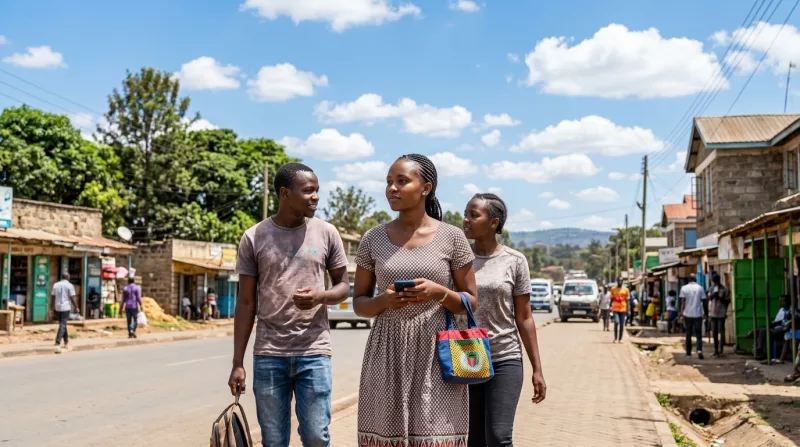
Gen Z firstborns are carrying this pressure during one of the hardest economic moments in Kenya’s recent history. Youth unemployment remains painfully high, rent keeps climbing like it’s training for the Olympics and even something as basic as moving out now feels like applying for a World Bank loan.
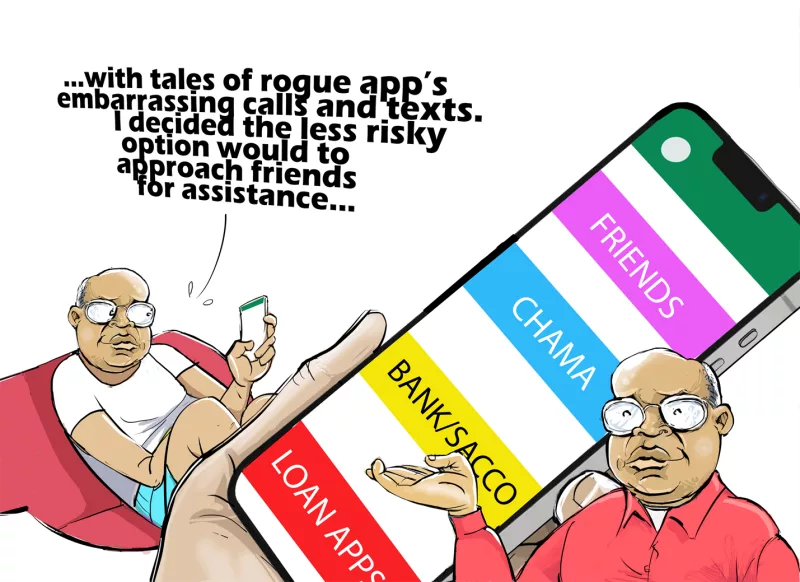
Despite all this, many firstborns are still expected to send fare home, buy shopping, contribute to chama emergencies and somehow remain mentally stable.
The emotional contradictions are fascinating. On one hand, firstborns are praised constantly. Relatives introduce them proudly at ruracios and funerals: “Huyu ndiye firstborn wetu.” It sounds prestigious, almost royal. But beneath the title is unpaid labour. Kenyan families often lean heavily on firstborns because our culture values collectivism and responsibility. Older siblings are expected to ‘show the way’ for younger ones.
Sociologists have long observed that in many African societies, birth order influences responsibility distribution within families, especially during economic hardship.
But there’s another side to the story, too. Not every firstborn hates the responsibility. My cousin Sheila Wanjiru, 25, told me something that surprised me during a family gathering in Thika. As she helped plate pilau for younger cousins while simultaneously answering work emails, she shrugged and said, “Honestly, being firstborn forced me to grow up early. I hate the pressure sometimes, but I also think it made me resilient.”
And maybe that’s true. Many Kenyan firstborns become incredibly dependable adults. They learn negotiation from mediating sibling fights over TV remotes. They learn crisis management from dealing with landlords threatening to lock their small bedsitters. They learn emotional intelligence because younger siblings keep treating them like therapists.
Still, resilience should not come at the cost of exhaustion. I’ve watched firstborn friends postpone dreams because younger siblings needed tuition first. I know someone who delayed moving to Nairobi for a career opportunity because there was nobody else to take care of their upcountry home after their parents separated. Another friend joked that every salary notification is just “incoming family announcement funding”.
Humour has become the survival language of Gen Zs. We turn pain into memes before it turns into depression. TikTok is full of firstborn jokes because comedy softens uncomfortable truths. But behind the humour is a generation quietly asking difficult questions about obligation, identity and survival.
How much should one child sacrifice for a family? At what point does responsibility become emotional exploitation? And why do Kenyan families sometimes romanticise struggle so much?
What intrigues me most is how invisible this burden can be. The firstborn is often the sibling everyone assumes is ‘strong’. Yet strength in many Kenyan homes simply means you are not allowed to fall apart publicly.
So when I think about Gen Z firstborns, I don’t just see responsible older siblings. I see young people navigating adulthood with one hand on their dreams and the other holding entire families together with M-Pesa transfers, impromptu motivational speeches and smiles hiding paralysing stress. And honestly? That deserves more than subtle mentions at family gatherings. It deserves recognition.