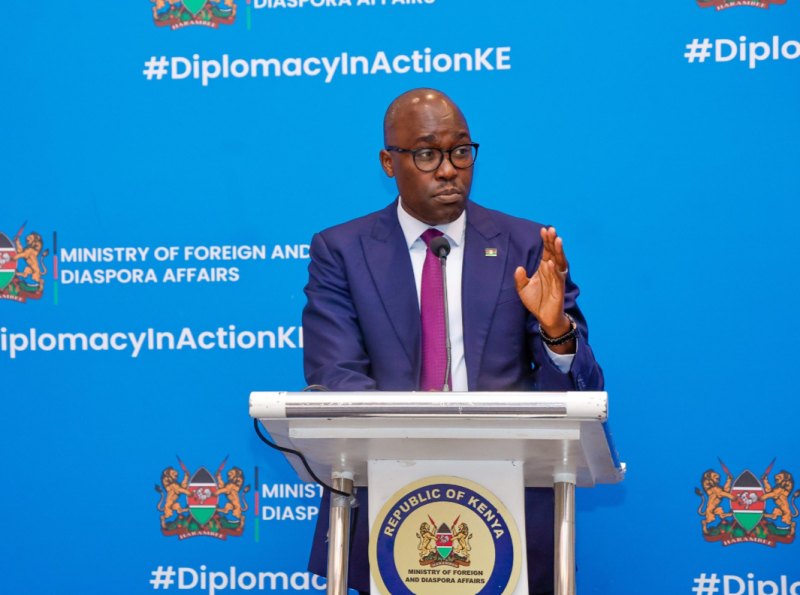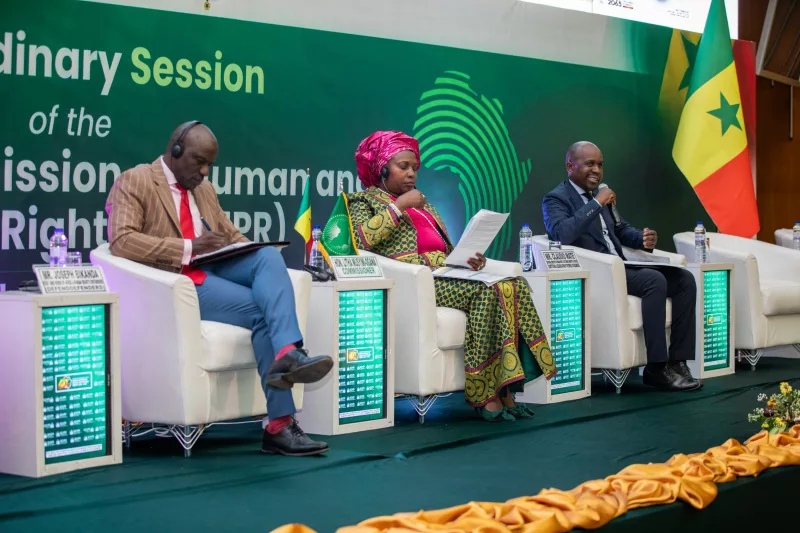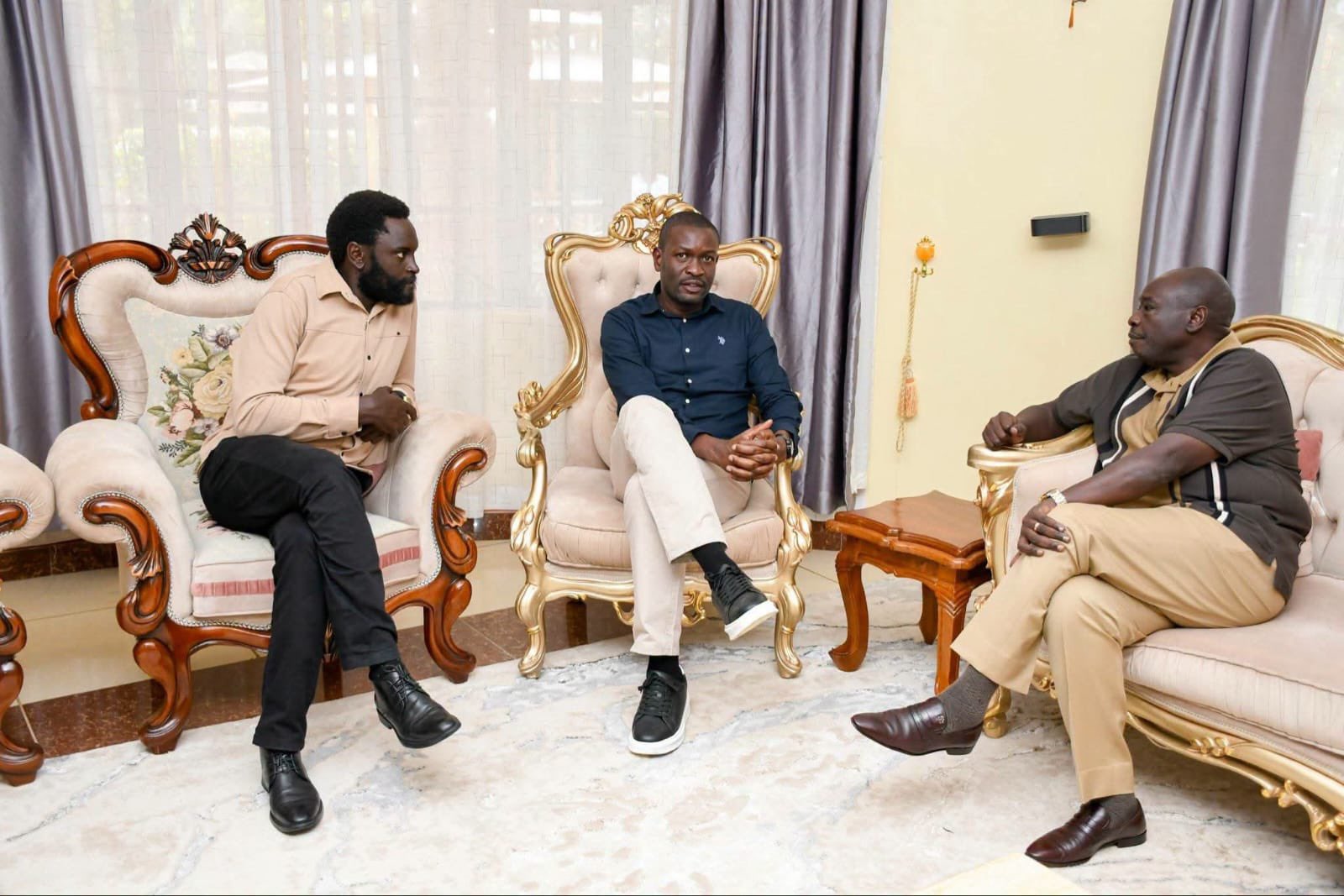
Foreign Affairs Principal Secretary Korir Sing’Oei has challenged African countries to treat the high cost of borrowing as a central foreign policy issue, warning that expensive debt is undermining the continent’s ability to invest in development, climate resilience and social services.
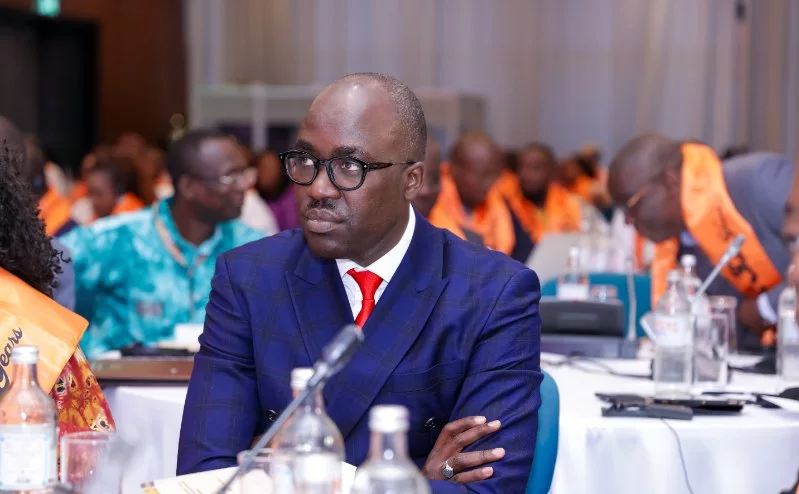
Speaking in Nairobi during the final day of the African Conference on Debt and Development, Sing’Oei said Africa needs about $1.3 trillion annually to achieve the Sustainable Development Goals, yet countries continue to access capital at prohibitively high rates.
He said African countries pay about $90 billion annually in debt service, more than the continent receives in aid and climate finance combined.
Sing’Oei said 22 African countries are currently in debt distress, arguing that the problem is compounded by an Africa risk premium that forces countries to pay an estimated $75 billion more each year in interest.
“This Africa risk premium forces an unpleasant choice between servicing expensive debt and investing in health, education and climate resilience of our people,” he said.
The PS said the changing composition of Africa’s creditors has also complicated debt restructuring and weakened the continent’s negotiating power.
He noted that in the 1990s, about 70 per cent of Africa’s debt was owed to Paris Club creditors, making negotiations relatively straightforward. Today, about 40 per cent is held by private bondholders spread across financial centres including London, Hong Kong and Gulf states.
Sing’Oei described the situation as not merely a financial challenge but also a question of sovereignty, saying loans can come with explicit or implicit conditions that constrain governments’ choices.
He warned that Africa cannot achieve green industrialisation while borrowing in dollars at rates as high as 12 per cent, noting that the continent has about 60 per cent of the world’s best solar resources but accesses only about one per cent of green finance.
“We are borrowing expensive money to solve a climate crisis we did not cause,” he said.
Sing’Oei called for African countries to strengthen collective bargaining through the African Union’s common position on debt and the proposed debtors’ coalition, saying the continent should negotiate as a bloc rather than leave individual countries to face creditors alone.
He also backed the establishment of an Africa Credit Rating Agency to enable the continent to develop its own assessment of risk and challenge pricing that he said does not adequately reflect Africa’s economic realities.
The PS further called for stronger coordination among African multilateral financial institutions and reforms to the G20 Common Framework to make debt restructuring faster and more responsive to countries facing distress.
He said Africa’s success should ultimately be measured by its ability to reduce the borrowing premium by about 200 basis points over the next three to four years.
According to Sing’Oei, such a reduction could save the continent an estimated $20 billion annually, funds that could instead support infrastructure under the African Union’s Agenda 2063.
He warned that failure to address how Africa borrows and the price it pays for capital risks replacing the social contract between governments and citizens with a debt contract.
“If we don't fix who we are, how we borrow, at what price, we will not have a social contract, we will have a debt contract,” he said.