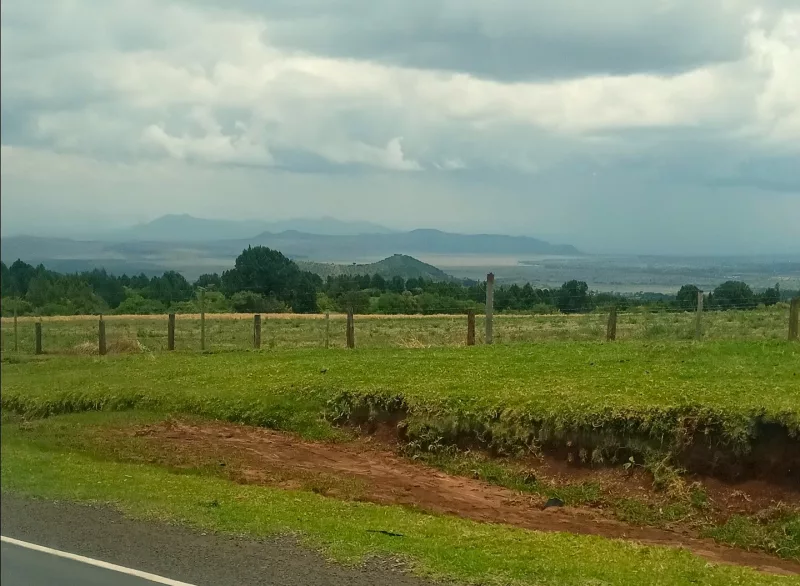
For a tourist travelling across Kenya, the journey is as important as the destination. A road winding through the Rift Valley, a smooth highway connecting one town to another, or a train carrying passengers across counties can determine how easily visitors move from one attraction to the next.
Kenya has no shortage of places worth visiting. From its beaches and wildlife conservancies to its lakes, forests, mountains and cultural sites, the country has built a tourism industry around the diversity of its landscapes. But getting to some of these destinations can still be part of the challenge.
That is why improvements in the country’s transport infrastructure could have implications far beyond easing congestion or moving goods.
Roads and railways are particularly important because they connect tourists to the final destination. Better infrastructure can mean shorter journeys, lower travel costs and easier access to various destinations.
Improved roads can also make it easier for local communities to participate in the tourism economy. Small businesses, restaurants, accommodation facilities, tour operators, artisans and other enterprises located outside major tourist centres stand to benefit when more visitors can reach them.
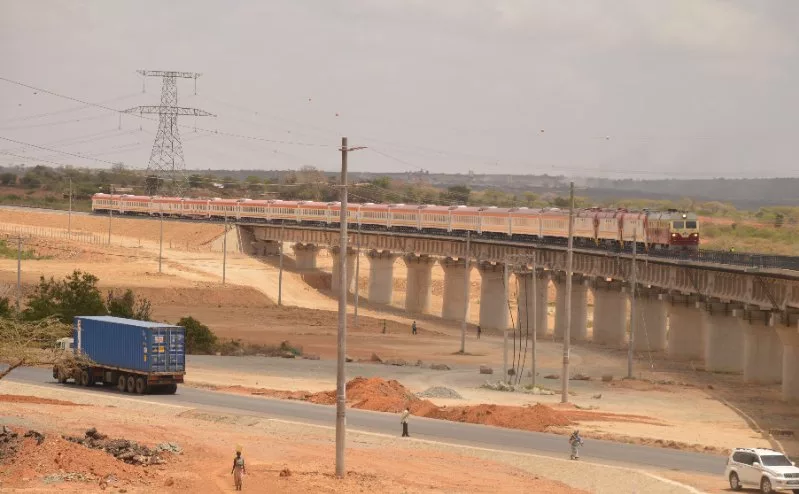
The Nairobi-Mombasa Standard Gauge Railway has already had this kind of effect on tourism and related businesses.
PROMISING PROJECT
Construction of the Naivasha-Kisumu-Malaba Standard Gauge Railway is building on this potential. It opens a new chapter in how people and goods move across western Kenya.
The Sh700 billion project, awarded to Chinese firms China Communications Construction Company and China Road and Bridge Corporation, is intended to extend the modern railway network from Naivasha through western Kenya to the Uganda border.
According to the Ministry of Roads and Transport, the project is being implemented in two phases. Phase 2B covers about 264km between Naivasha and Kisumu and includes an 8.69km branch line to the proposed Kisumu Port. Phase 2C, on the other hand, will extend the railway from Kisumu to Malaba, connecting Kenya’s railway network to Uganda.
The railway will pass through Narok, Bomet, Kericho, Nyamira and Kisumu, before the route continues through western Kenya towards Malaba.
For tourism, one of the most interesting parts of this route is Narok. The county is best known internationally for the Maasai Mara National Reserve, one of the wonders of the world, known for the spectacular wildebeest migration.
Around July and August, huge herds of wildebeest cross from Tanzania's Serengeti ecosystem into the Maasai Mara in search of fresh grazing and water. The annual migration, marked by dramatic river crossings, is one of Kenya’s biggest wildlife tourism attractions.
For Narok, however, tourism is much bigger than the migration. The county has built an economy around wildlife, culture, hospitality and the thousands of visitors who come to experience the Mara and the wider landscape.
There are lodges, camps, tour companies, community conservancies, cultural centres, restaurants and small businesses whose fortunes are tied, directly or indirectly, to tourism. Yet the experience of reaching these attractions remains heavily dependent on road transport.
This is where a railway passing through Narok could become significant. The SGR’s importance for tourism could lie in changing the way visitors access Narok and the businesses that serve them.
A more efficient rail connection to the county could create another transport option for tourists travelling from other parts of Kenya, while also improving the movement of workers, supplies and other goods needed by the tourism industry.
For tour operators, improved connectivity could make it easier to design multi-destination itineraries. That could be particularly important in a country like Kenya, where many of the major tourism attractions are spread across different parts of the country. Better connectivity could make it easier for visitors to combine several destinations in one trip and explore places beyond the traditional tourism circuits.
JOBS, BUSINESS BOOM
The economic benefits will certainly expand beyond tourism.
Government officials pointed out that the construction of the railway is expected to create employment and stimulate local enterprises along the route. And for communities in Narok and other counties along the railway, this could mean more than a new transport line. It could mean new markets.
A farmer could have a more efficient way of moving produce. A small business could find new customers. A hospitality establishment could benefit from increased movement into the county. Young people could find employment during construction and in businesses around the new infrastructure.
There is also a regional dimension to it. Once the line reaches Malaba, it will connect Kenya's railway network to Uganda and form part of a wider transport corridor linking the Port of Mombasa to Uganda.
For tourism, that opens another possibility: making East Africa easier to travel across. Kenya and Uganda already share a tourism relationship, with visitors moving between the two countries for wildlife, culture and other experiences. Better regional transport could make it easier to develop journeys that do not stop at national borders.
Therefore, the real measure of Kenya's transport investments will not be how quickly a train moves or how smooth a road becomes, but how many more people and places are connected to it.