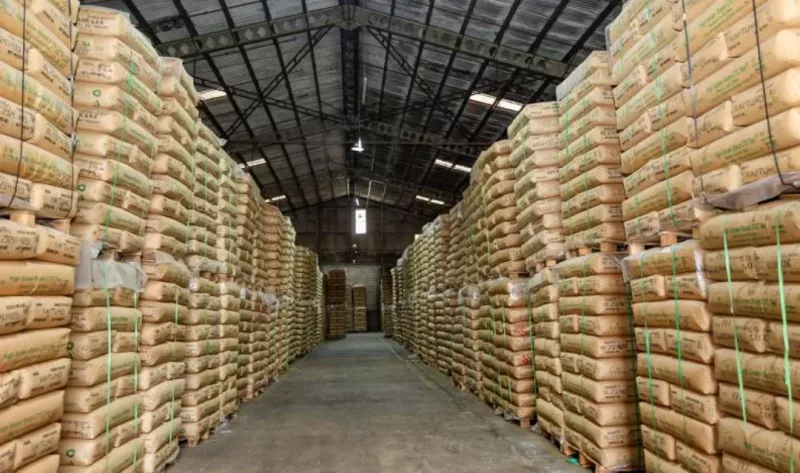
 Packed tea at a warehouse await dispatch to the Mombasa auction/ HANDOUT
Kenya’s trade with Iran is coming under renewed pressure following the US’s expansion of sanctions against Tehran, with tea exporters facing the biggest risk.
This, as tighter financial restrictions threaten payments, shipping and access to an important Middle Eastern market.
The new measures announced by Washington on August 24 have increased the risk of secondary sanctions for foreign entities that continue doing business with Iran.
The move is likely to make banks, shipping companies and traders in countries such as Kenya more cautious when handling Iran-related transactions.
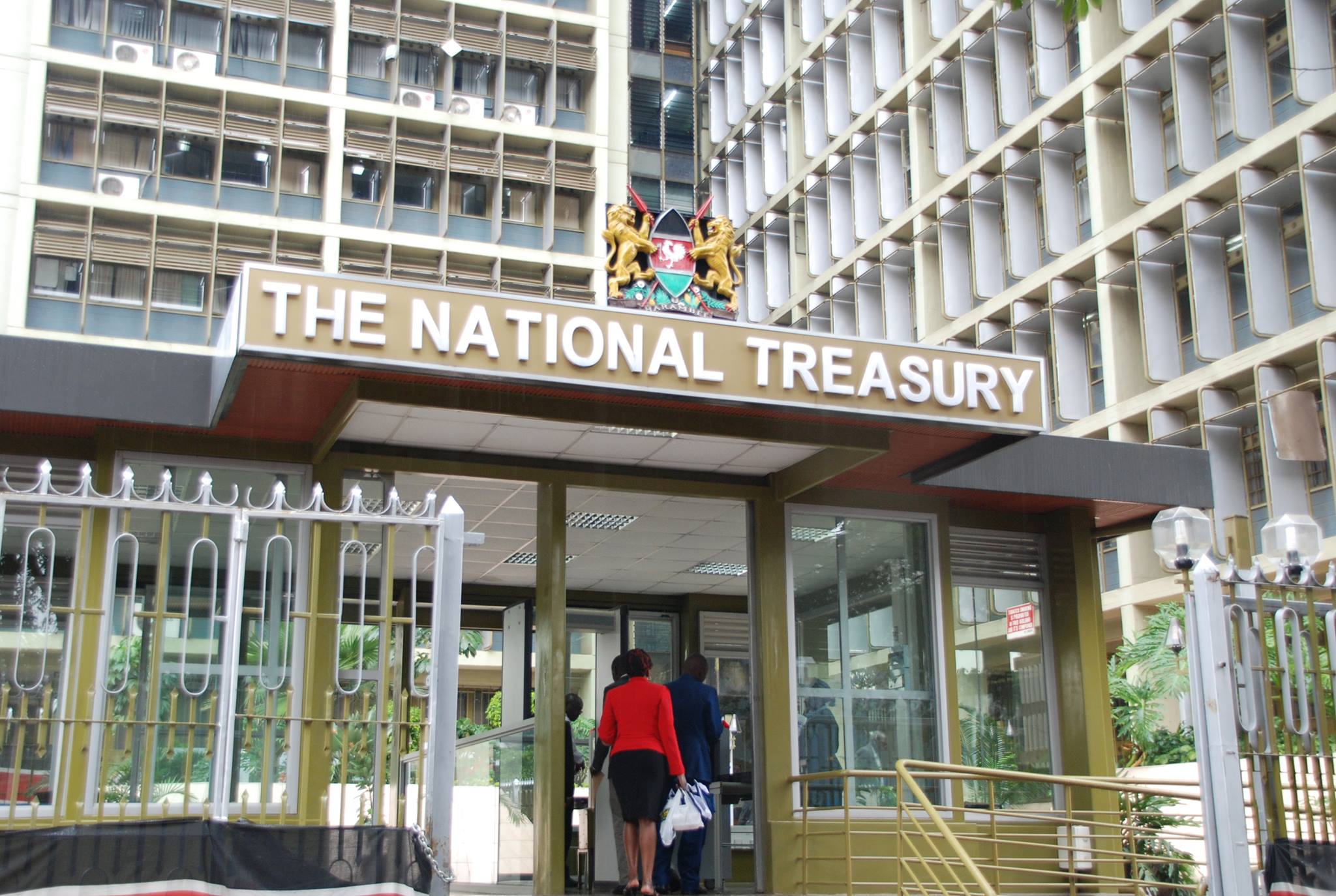
The US Treasury said it had launched “Operation Economic Outcast”, a campaign aimed at cutting Iran off from international financial and commercial networks.
Treasury Secretary Scott Bessent said the campaign would target Iran’s economic lifelines and warned countries and companies facilitating transactions with Tehran that they could face consequences.
The latest measures target five sectors—digital assets, technology, gold, aviation and shipping, with more than 60 entities, individuals and vessels sanctioned.
For Kenya, the impact could be particularly significant for the tea industry, which has already suffered shipping disruptions following the escalation of conflict around Iran and the wider Middle East.
Kenya’s tea exports to Iran fell by 40.7 per cent in the first quarter of 2026 as conflict and shipping disruptions affected trade flows.
The situation worsened in March when major shipping lines began rerouting vessels away from dangerous regional chokepoints.
About eight million kilogrammes of Kenyan tea accumulated in warehouses in Mombasa as exporters struggled to move cargo to Middle Eastern markets.
George Omuga, managing director of the East Africa Tea Traders Association, which manages the Mombasa Tea Auction, said the industry was losing about $8 million (Sh1.01 billion).
Kenya earns up to $43.7 million (Sh5.5 billion) annually from tea exports to Iran, making it one of Kenya's top ten tea export destinations.
“The Middle East takes an average of 20 to 25 per cent from this auction and Pakistan which also neighbours Iran buys 40 per cent. So we are talking about a market share of 65 per cent. Should this war continue, the negative consequences will be more severe to the tea trade and tea value chain players.”
The latest US action is expected to intensify problems around delayed payments, with Mombasa remaining the region’s main tea auction serving global markets.
Iran remains an important outlet for Kenyan black tea and a key trading partner.
Trading Economics data shows Kenya has historically maintained a favourable trade balance with Iran, with annual exports of about Sh6.8 billion against imports of roughly Sh2.5 billion, giving Kenya a surplus of about Sh4.4 billion.
However, the latest US measures could deepen difficulties for businesses trading with Tehran.
The US has warned that foreign financial institutions engaging in significant transactions involving sanctioned Iranian entities could face restrictions on access to the US financial system.
This creates a dilemma for Kenyan banks, which must balance supporting legitimate trade with managing sanctions and compliance risks.
Even where a Kenyan tea transaction is not directly prohibited, banks may become reluctant to process Iran-related payments because of compliance and reputational risks, according to industry experts.
This could result in longer transaction times, additional documentation, higher costs or outright refusal to process some payments.
Kenyan exporters could therefore face a choice between retaining Iranian customers and protecting access to international banking and shipping networks.
The Shippers Council of Eastern Africa has warned that the crisis could affect trade flows and Kenya’s wider commercial relationships.
“This would impact direct imports and exports, to and from Iran, increase transit time and freight costs. It has great potential to disrupt relationships diplomatic and trade and bilateral relations between Kenya, Iran, and perhaps Kenya–USA,” said SCEA chief executive Agayo Ogambi.
The consequences could extend beyond tea to companies importing goods from Iran or providing logistics, shipping, financial and other services connected to Iranian trade.
Kenya’s wider exposure to the Gulf makes the situation more serious. Trade Cabinet Secretary Lee Kinyanjui has previously warned that Kenya risks losing up to Sh164.6 billion in annual export earnings from Gulf trade if the Middle East conflict persists.
Manufacturers are also exposed because Kenya relies heavily on imported petroleum products and raw materials moving through the region.
The Kenya Association of Manufacturers has noted that Kenya imports most refined petroleum products from Gulf countries including the UAE, Oman, Kuwait and Saudi Arabia, while rising global oil prices are increasing fuel, transport and production costs.
KAM chief executive Tobias Alando said Kenyan industries also depend heavily on imported raw materials, including aluminium ingots, industrial chemicals, plastics, paper, glass and specialised manufacturing inputs.
Many originate from the Gulf or pass through the Middle East with Iran-linked trade expected to have an impact on Kenya.
“What is unfolding thousands of kilometers away is quickly becoming a domestic economic issue,” Alando noted.
Traders have called for deeper market diversification, particularly within Africa, to reduce dependence on volatile geopolitical trade corridors.
Market analyst and investor Mihr Thakar said higher global oil prices could raise costs at the pump, although Iran accounts for less than five per cent of global crude production, leaving sourcing alternatives for global refineries.
“Trade with Iran will decrease but the overall impact on exports is likely to be negligible, as exporters recalibrate to new markets,” said Thakar.
The latest US action means Kenyan companies dealing with Iran will need stronger sanctions screening when working with Iranian buyers, shipping agents, banks and intermediaries.
With Washington signalling that its campaign against Iran will continue, Kenyan exporters and manufacturers may have to prepare for prolonged uncertainty and accelerate efforts to diversify their markets, supply chains and payment channels before the disruption takes a heavier toll on the country’s export economy, experts say.