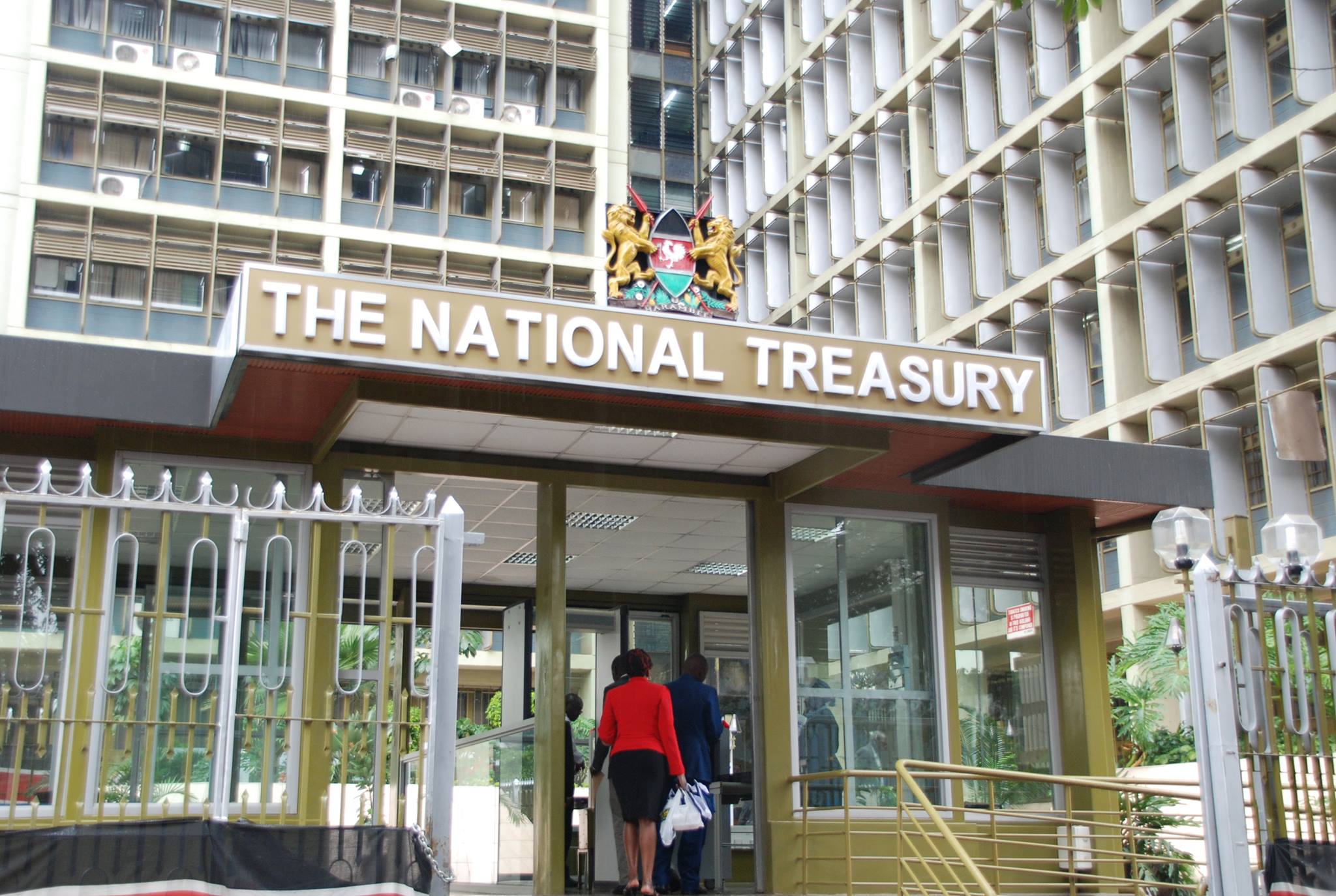
The government’s fast-growing public pension fund is steadily reducing its heavy exposure to Treasury securities and shifting billions of shillings into equities, private equity, offshore markets and property.
According to the fund, this diversification plan seeks to protect members’ savings from inflation and generate higher long-term returns.
The Public Service Superannuation Fund (PSSF), currently manages Sh340.4 billion for more than 529,000 public servants.
The funds chief executive Jonah Aiyabei, said it has cut the share of government securities in its portfolio to 74 per cent from 99 per cent in 2023, marking a significant change in how one of Kenya’s largest pension schemes invests retirement savings.
He noted that the diversification comes as the Fund adopts a more growth-oriented investment strategy, moving away from an almost exclusive reliance on government bonds towards a multi-asset portfolio that includes listed shares, offshore investments, property and alternatives such as private equity and infrastructure.
“Under the new investment policy, PSSF plans to reduce the strategic allocation to government securities further to 57.5 per cent from the current exposure of 78.6 per cent, while increasing room for investments in equities and alternative assets,” said Aiyabei
The Fund can now allocate up to 20 per cent of its assets to listed equities, 15 per cent to offshore investments, 20 per cent to property and up to 10 per cent to alternative investments, including private equity, infrastructure projects and private debt.
The fund noted that the shift reflects the changing needs of a relatively young pension scheme whose members have decades before retirement.
With an average member age of 39 years and about 99.5 per cent of contributors more than 10 years away from retirement, the Fund says it has greater capacity to withstand short-term market volatility in pursuit of stronger long-term gains.
The strategy is designed to deliver returns of at least four percentage points above inflation, net of investment costs, over rolling three-year periods.
The move is already beginning to reshape the Fund’s portfolio. Quoted equities now account for 14 per cent of investments, corporate bonds five per cent, offshore investments three per cent, private equity two per cent and property one per cent. The Fund’s exposure to listed shares was near zero in 2023.
The diversification has coincided with improved returns.
PSSF recorded a 17.68 per cent investment return in the year ended June 30, 2025 and a 19.7 per cent annualised return over three years, according to the Fund. The Board also approved a 17.89 per cent income distribution to members' individual accounts, up from 11.9 per cent in the previous year.
The Fund says the returns have been supported by gains across different asset classes, including the bond and equity markets, as well as investments managed across domestic and offshore markets.
For the wider economy, the shift could gradually redirect a larger pool of pension savings away from government borrowing and towards businesses, infrastructure, real estate and capital markets.
As the Fund grows, that could make PSSF an increasingly important source of long-term capital for private enterprise and strategic projects, while also giving the Nairobi Securities Exchange and other investment markets access to deeper institutional funding.
PSSF, established in January 2021 as Kenya transitioned public servants into a contributory pension system, has grown rapidly to become the country’s second-largest pension scheme, with assets of Sh340.4 billion as at June 30, 2026.