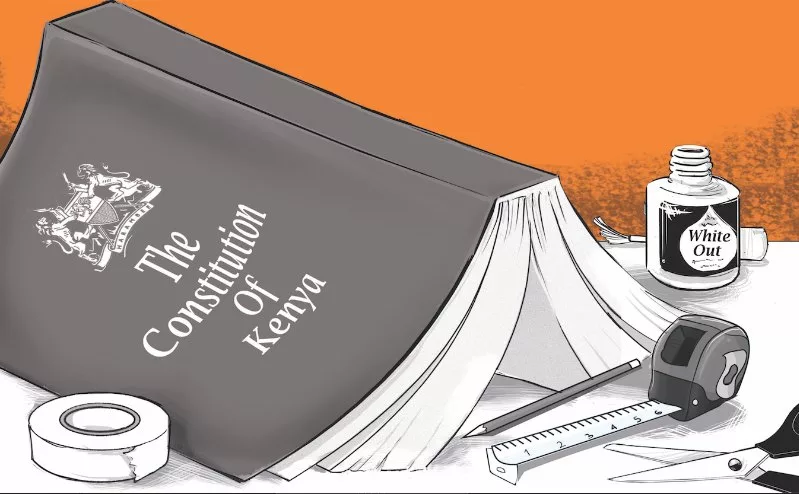
In August 2010, the long-awaited and acclaimed constitution was promulgated. Kenyans had waited for a new constitution for two decades. The constitution has been hailed as a transformative and objective document worldwide.
The supreme law contains a clear Bill of Rights; separation of powers; independent commissions, offices and institutions; national values of governance, leadership and integrity; vests sovereign power in the people, land and environment; and devolved governments.
It is progressive and applies retrospectively to cure historical injustices. Despite the clear provisions of the constitution, trends and experience over the last 16 years have contributed to an onslaught on civic space, with the state constraining it overtly and subtly.
Kenya has experienced three administrations between 2010 and 2026. These are the Kibaki regime (2010 – 2013), the Uhuru Kenyatta regime (2013 – 2022) and the William Ruto regime.
During Kibaki’s reign, the implementation of constitutional reforms lagged, while transitional justice and police accountability reforms were largely ignored. Journalists and human rights defenders faced harassment, revealing weak enforcement of constitutional protections. Civic space during this period expanded institutionally but was undermined by violent repression and uneven implementation of reforms.
In the Uhuru era, securitisation became entrenched. The Security Laws (Amendment) Act (2014) and the Computer Misuse and Cybercrime Act introduced vague restrictions curtailing assembly and expression. Civil society organisations such as the KHRC, Africog, Haki Africa and Muhuri faced deregistration, raids and asset freezes, while extrajudicial killings escalated, with over 1,000 cases documented.
Journalists, bloggers and online activists faced arrests, cyber-surveillance and harassment. The Supreme Court’s annulment of the 2017 presidential election showcased judicial resilience, even as the executive undermined oversight institutions and entrenched impunity. During this period, the potential for growth and expansion of civic space through legal innovations was undermined by systemic repression, with securitisation and impunity overshadowing gains.
The Ruto regime oversaw the deterioration of freedoms, especially during the Sufuria and Gen Z anti-government protests in 2023 and 2024, respectively, and the June 25 anniversary in 2025, which were met with live bullets, abductions, torture of online critics and asset freezes targeting human rights organisations.
Proposed laws, including the Assembly and Demonstrations Bill in 2024 and restrictions on NGO foreign funding, signalled authoritarian backsliding. CIVICUS downgraded Kenya from “obstructed” in 2022 to “repressed” in 2024, reflecting the violent securitisation of dissent.
The attack on the KHRC premises and All Saints Cathedral Church by state-hired goons further showed the shrinking of civic space. These state-led attacks and intimidation of vocal human rights defenders have clearly been visible. The Ruto regime unlawfully rendered KHRC staff member Martin Mavenjina to Uganda and continues to refuse his return to be reunited with his family.
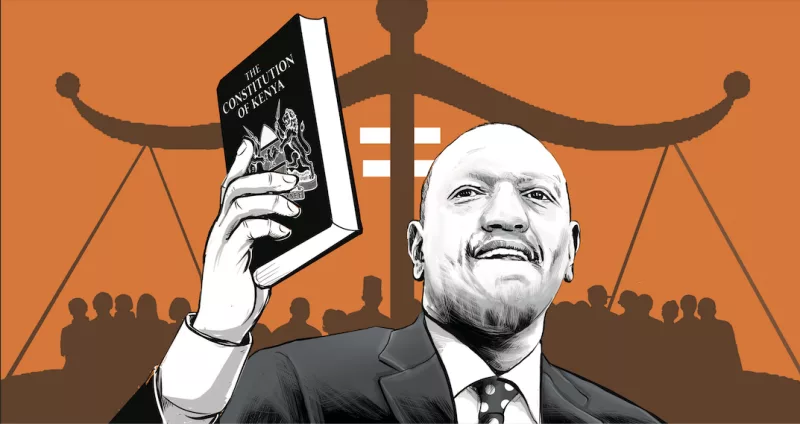
Human rights violations have stained all the regimes. Ruto’s has been plagued by enforced disappearances, abductions and being held incommunicado, extrajudicial killings, media shutdowns, internet disruptions, police excesses and political violence. Ruto has failed to address these constitutional violations outright, even though he swore an oath to protect and promote the constitution.
This happened as Kenya underwent its fourth-cycle Universal Periodic Review at the United Nations Human Rights Council on May 1, 2025, facing scrutiny and evaluation of its human rights record. Kenya received 339 recommendations; surprisingly, the Ruto regime only accepted 232.
Multiple recommendations to ratify and sign the International Convention for the Protection of All Persons from Enforced Disappearance were not among the 232 accepted recommendations. This just points out how far the country is from realising the ideals of the constitution, largely because of the politicians who do not adhere to it.
Human rights lawyer with the Kenya Human Rights Commission