The recent engagement between President William Ruto and Muslim leaders at State House was more than a ceremonial meeting. It reaffirmed a principle that should define Kenya’s future: every citizen, regardless of religion, ethnicity, region or socioeconomic status, deserves an equal opportunity to participate in and benefit from national development.
Kenya’s greatest strength lies in its diversity. With a population exceeding 50 million people, more than 40 ethnic communities and several religious traditions, diversity should be treated as a national asset rather than a source of division.
Yet poverty and inequality remain major challenges. The Kenya National Bureau of Statistics estimates that 39.8 per cent of Kenyans lived below the national poverty line in 2022—nearly four in every 10 citizens.
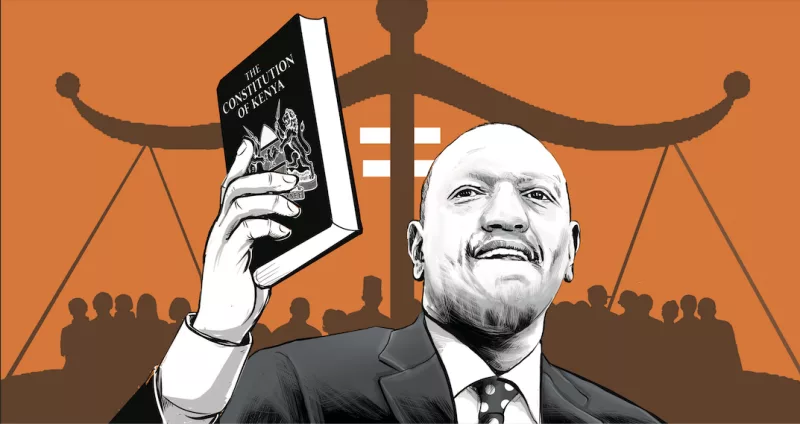
Correcting historical disparities is therefore not merely a political responsibility. It is a constitutional, moral and economic imperative. Articles 43 and 56 of the constitution guarantee socioeconomic rights and require affirmative action for minorities and marginalised groups.
President Ruto’s engagement with Muslim leaders sent an important message that every community has a place at the national table. Such dialogue strengthens trust while promoting equality, equity and non-discrimination.
Inclusivity, however, must go beyond representation. It must improve the daily lives of citizens. For many households, the immediate challenge is the cost of food, healthcare, housing and education. Inflation stood at 6.5 per cent in July 2026, demonstrating why reducing essential household costs remains a national priority.
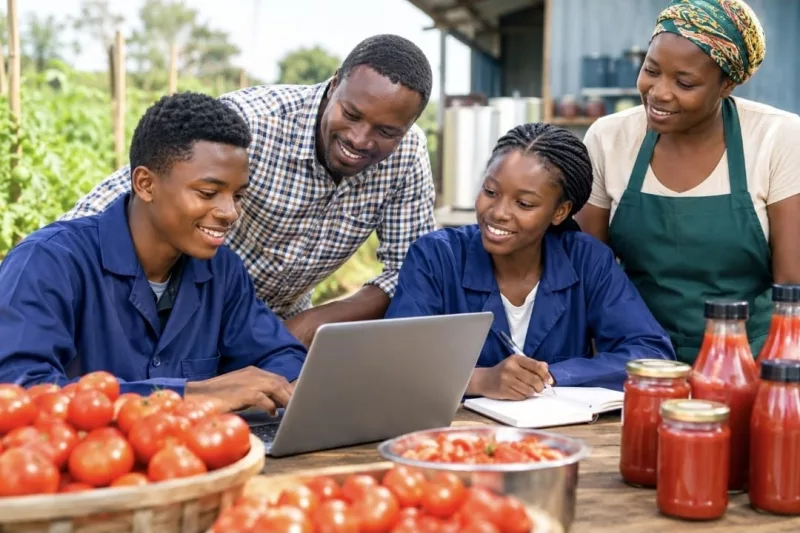
The Bottom-Up Economic Transformation Agenda seeks to address these pressures. Agriculture remains central because millions of Kenyans depend on farming, livestock, fisheries and related enterprises. Investment in subsidised fertiliser, irrigation, certified seeds, extension services, mechanisation and climate-smart agriculture can raise productivity and stabilise food supplies.
Emerging technologies—including biotechnology, artificial intelligence, digital agriculture, mutation breeding and improved livestock genetics—can further increase yields and strengthen resilience to drought, pests and climate change. When farmers produce more efficiently, consumers benefit from improved supply and more stable prices.
Healthcare is another major financial burden. By August 2026, 32.2 million Kenyans had registered with the Social Health Authority, while about eight million people had received treatment. Government figures also indicate that Sh178.5 billion had been paid to hospitals, health centres and dispensaries.
Primary healthcare has been strengthened through the deployment of approximately 107,000 Community Health Promoters. More than 10,000 contracted facilities have received support through the Primary Healthcare Fund, bringing preventive and basic services closer to households. These numbers demonstrate the potential of universal healthcare, although implementation challenges must continue to be addressed transparently.
Housing is equally important. Kenya requires an estimated 250,000 new houses annually, yet only about 50,000 units have traditionally been developed each year, leaving an annual deficit of approximately 200,000 homes. The Affordable Housing Programme can help close this gap while creating employment, stimulating local manufacturing and upgrading informal settlements.
Education remains the most powerful equaliser. Public TVET enrolment stood at approximately 565,842 trainees in the 2024-25 financial year and is projected to increase to 702,200 by 2026-27. Expanding TVET, university financing, digital learning, teacher recruitment and competency-based education will equip young Kenyans for a rapidly changing economy.
The establishment of a dedicated State Department for Science, Research and Innovation further strengthens the national ecosystem for research, technology transfer, innovation and commercialisation. Young people must be supported not only to seek employment but also to create enterprises, products and solutions.
Inclusive development should deliberately prioritise women, youth, persons with disabilities, pastoralists, fisherfolk, informal-sector workers and smallholder farmers. Investments in roads, electricity, water, irrigation, markets, digital connectivity and enterprise financing must reach regions that have historically lagged.
Faith communities are also critical partners in education, healthcare, humanitarian assistance, peacebuilding and moral leadership. Engagement with Muslim, Christian and other religious leaders can mobilise citizens as agents of development and national cohesion.
As Kenya advances beyond Vision 2030 towards its long-term transformation ambitions, technology, industrialisation and human-capital development will become increasingly important. Yet these ambitions cannot be realised while almost four in 10 citizens remain poor or while communities perceive themselves as excluded.
The Kenya we seek is one where a child born in Mandera or Lamu enjoys opportunities comparable to one born in Nairobi; where innovators in Kilifi or Turkana can access education and digital infrastructure; and where every citizen believes they have an equal stake in the republic.
Inclusive leadership means lowering household costs, expanding opportunity, correcting historical injustices and ensuring that development reaches every community, as being demonstrated by President William Ruto. That is how Kenya will build a stronger economy, a cohesive society and a prosperous nation where no one is left behind on the journey towards 2060. It can be done.
PS, Science, Research and Innovation |[email protected]