
While Kenya is known to have one of the most progressive constitutions on paper, its implementation remains uneven, with corruption, selective application of the law, weak accountability and disregard for constitutional values overshadowing implementation.
Sixteen years after promulgation, the major concern remains: why is so much energy being spent debating whether Kenyans deserve rights that the Constitution has already recognized, instead of investing that energy in honoring, obeying, preserving and defending the promise of 2010?
Truth is promulgation of Katiba marked a significant win for the Kenyan people, with Article 43 recognizing the right to the highest attainable standard of health, including reproductive healthcare; devolution bringing decision-making, leadership opportunities, and essential services closer to the community, Article 10 guaranteeing the right to public participation as a constitutional value and Article 26(4) expressly setting out circumstances in which termination of pregnancy is permitted a dilemma that in the past contributed to significant and unnecessary loss of lives.
These, among others, are the promises of Katiba that should be celebrated and honored as the country marks Katiba at 16.
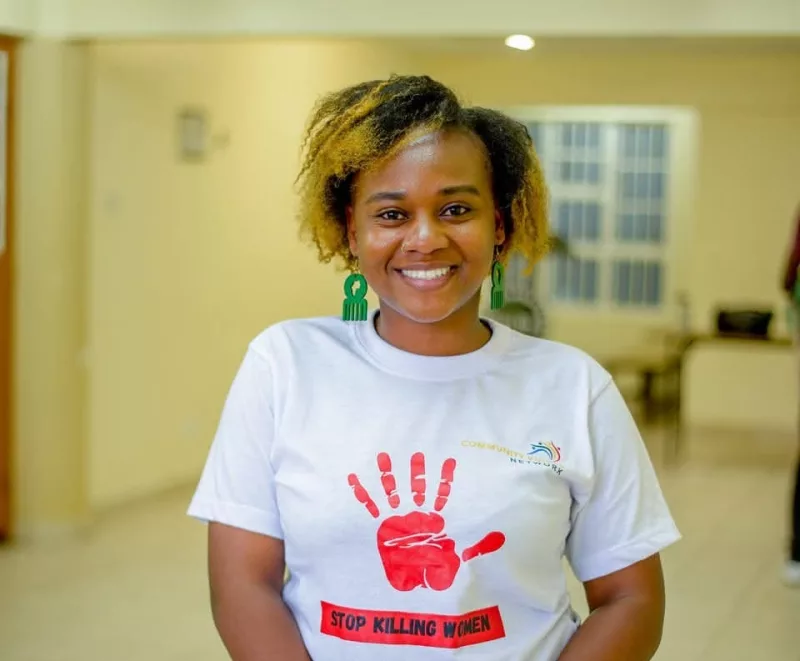
Questions that Kenyans should be asking themselves at this time are: when the Constitution says in Article 27 that every woman is guaranteed equality and freedom from discrimination, yet today, every day, a woman is killed, a 10-year-old child is raped, killed, and thrown to the bush with perpetrators not facing any consequences. What does the right to life mean for women and girls? And who decides who lives? Honoring Katiba is ensuring the full implementation of the constitution so that no person dies unnecessarily because they exist or because of pregnancy-related outcomes.
Health system audit must align with a justice audit. August is a pivotal moment that marked the convening of the Kenya Health Summit by the Ministry of Health last week and the celebrations of Katiba the following week.
The Kenya Health Summit brought together government, civil society organizations, faith-based leaders, and health professionals to review health sector performance. Even as the country audits health sector performance, justice should be an assessment criterion. Katiba should be among the tools used for this appraisal to assess the implementation versus the practice; a health system audit means nothing if the justice system audit doesn't happen alongside it.
This is particularly important as Kenya looks beyond Vision 2030 and begins shaping its next long-term development agenda. The transition offers an opportunity to ask whether the Kenya we are planning for is grounded in the same constitutional values and aspirations that were promised to citizens in 2010.
The Lusaka Agenda provides a global and regional framework for assessing Kenya’s sustainability and equity in health financing. At the country level, Kenya is advancing health reforms with efforts such as the Social Health Authority (SHA). In this sense, the Lusaka Agenda, SHA, and other health reforms should not be seen as separate from the Katiba, but as opportunities to fulfil its constitutional promise of the right to the highest attainable standard of health.
The youth of Kenya must lead efforts to defend Katiba. They should continue harnessing the power of AI, digital spaces, and art to expand public participation and accountability instead of using these tools to promote misinformation and disinformation.
In this digital era, the fight to defend Katiba must evolve; both new and traditional technologies, including community radios, must be used to promote greater citizen involvement in the Katiba conversations, leaving no one behind. One of the major gaps in the civic space is awareness of constitutional rights and accountability.
Youths should use new and emerging technologies to solve challenges such as awareness through translations to Sheng, Kiswahili, Kenyan Sign Language, and Kenyan ethnic languages; support and track implementation by documenting where constitutional rights are and aren't reaching; and strategic advocacy for accountability.
Kenya needs to look beyond borders and learn the implementation approach of countries such as Rwanda and Botswana; these countries have moved their policies beyond paper. They have strong institutions and are consistent in the reinforcement of their policies and laws. This means, in addition to a progressive constitution, the country must invest in systems, resources, accountability mechanisms and political goodwill to make Katiba work in people’s everyday lives.
The Constitution is a living social contract rather than a beautiful document to be displayed on shelves. Constitutional amendments, reinterpretation, and paraphrasing should not be a substitute for implementation, and Kenyans have a responsibility to practice their sovereignty by defending the Constitution and ensuring its full implementation.
A constitution does not lose its power only when Parliament changes its words. Sometimes it loses its power when citizens are gradually persuaded to forget what those words mean. The forgetting happens through poor implementation, restrictive policies, misinformation, institutional fear and deliberate reinterpretation of constitutional language. And once a right becomes something citizens must repeatedly defend as though it were a privilege, the constitutional promise begins to shrink, not necessarily in text, but in lived reality.
Sixteen years ago, Kenyans did not vote merely for a new document. They voted for a different relationship between the citizen and the State. The Constitution was meant to transform power, dignity, accountability and participation. The anniversary, therefore, should not be a celebration of parchment. It should be an audit of promises.
Because the real test of Katiba is not how progressive its words sound in Nairobi conference rooms. It is whether those words survive contact with the police station, the hospital, the courtroom, the county office, the classroom and the lives of ordinary Kenyans.
Ritah Anindo Obonyo is the Executive Director of Community Voices Network
.