

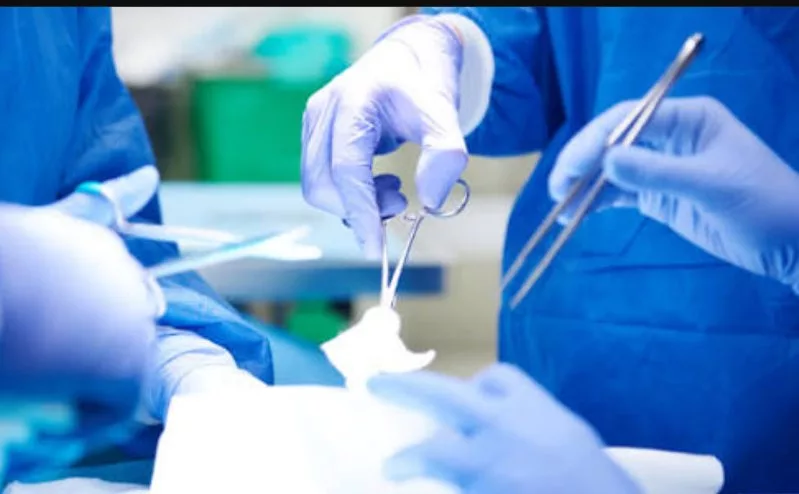
 Surgery
At least one out of seven patients who undergo major surgeries in Kenyan hospitals develop site infections, a new study has found.
The finding raises fresh questions about the safety of surgery in Kenya, especially for patients who arrive at the hospital while in need of urgent treatment.
Researchers found that 55 out of 393 patients who had abdominal surgery at the Moi Teaching and Referral Hospital developed an infection, giving an overall surgical site infection rate of 14.1 per cent.
Some infections affected the surface of the wound, while others were deeper and affected areas around organs. While the study was done at the MTRH, the researchers said the situation could be worse in lower-level facilities.
Such infections can make patients stay longer in hospital and require more treatment.
The study found that patients stayed in hospital for an average of five days.
The Kenyan figure is higher than the global rate reported by the World Health Organisation (WHO).
In its 2018 Global Guidelines for the Prevention of Surgical Site Infection, WHO said: “In low- and middle-income countries, 11 per cent of patients who undergo surgery are infected in the process.”
The document says such infections threaten millions of patients and also contribute to the spread of antibiotic resistance.
The WHO estimate covers surgery in low- and middle-income countries generally, while the Kenyan study looked at one type of major abdominal operation only at MTRH.
The researchers warned that the 14.1 per cent figure could be lower than the true rate.
Patients were followed only while they were in hospital. Those who developed an infection after going home were not included in the study.
“The SSI (surgical site infection) rate of 14.1 per cent at MTRH highlights the considerable burden of infection following laparotomies in this setting. Operative duration, patient sex, and wound contamination level are critical, modifiable and unmodifiable, independent risk factors that should be targeted for surveillance and preventative programmes,” they said.
Most of the operations were emergencies rather than planned procedures. Out of the 393 patients, 268, or 68.4 per cent, underwent emergency surgery. Only 89, or 22.7 per cent, had planned operations.
The risk of infection was much higher when emergency surgery involved a wound that was already badly contaminated or infected.
Among emergency operations, infections occurred in 5.7 per cent of clean wounds. The rate increased to 8.8 per cent for clean-contaminated wounds, 13.6 per cent for contaminated wounds and 27.1 per cent for dirty wounds.
That means more than one in four patients with dirty wounds developed an infection after emergency surgery.
The researchers said many patients referred to MTRH arrived with serious conditions, including perforated organs or infected tissue.
“The high percentage of emergent procedures (68.4 per cent) in this cohort likely contributes to this significant infection burden. A significant proportion of the participants presented as referrals with perforated viscera or infected tissue, classifying them into the higher-risk wound categories,” they said.
The finding raises a wider question for Kenya's health system, with some patients reaching referral hospitals too late.
The study found that among patients needing non-planned surgery, the median waiting time from arrival at the emergency department to the operating room was 12 hours.
The researchers did not say this waiting time caused the infections.
But it points to the need to look more closely at emergency referrals, delays and the condition of patients when they reach major hospitals.
WHO has several documents aimed at reducing the risks faced by patients during operations.
The 2018 Global Guidelines for the Prevention of Surgical Site Infection contain 29 recommendations covering the period before, during and after surgery. WHO says the guidelines can be adapted for use in different countries and health systems.
Another important document is the 2009 WHO Guidelines for Safe Surgery.
The document dubbed "Safe Surgery Saves Lives" focuses on wider surgical safety, including preventing infections, making anaesthesia safer and improving communication among members of the surgical team.
It requires the surgical team to pause and make important checks at three points: before anaesthesia, before the operation starts and before the patient leaves the operating room.
WHO says the checklist has been shown to reduce deaths and complications.
The findings of the Kenya study were published in the World Journal of Surgery in a research paper titled “Surgical Site Infections After Laparotomy in a Tertiary Referral Hospital in Kenya: Incidence and Risk Factors.”
The paper was authored by Ivy Agade, Suhail Sherman, Alma Akute, Caleb Langat, Dennis Njeri, Laban Chabari, Sophia Abdulhai and Ivan Seno from Moi University and MTRH.






