The race to succeed Kisumu Governor Anyang’ Nyong’o
is gathering pace, with a crowded field of aspirants criss-crossing the county,
building grassroots networks and selling competing visions.
With Nyong’o serving his second and final term, the contest has opened a new political chapter in a county that has traditionally been one of the strongest bases of ODM.
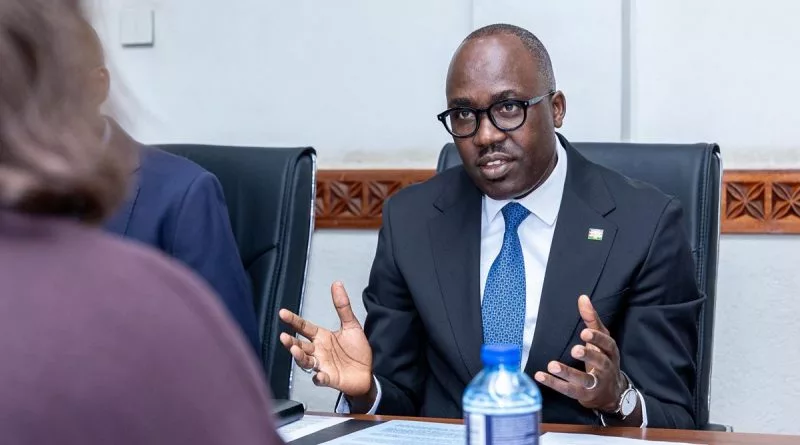
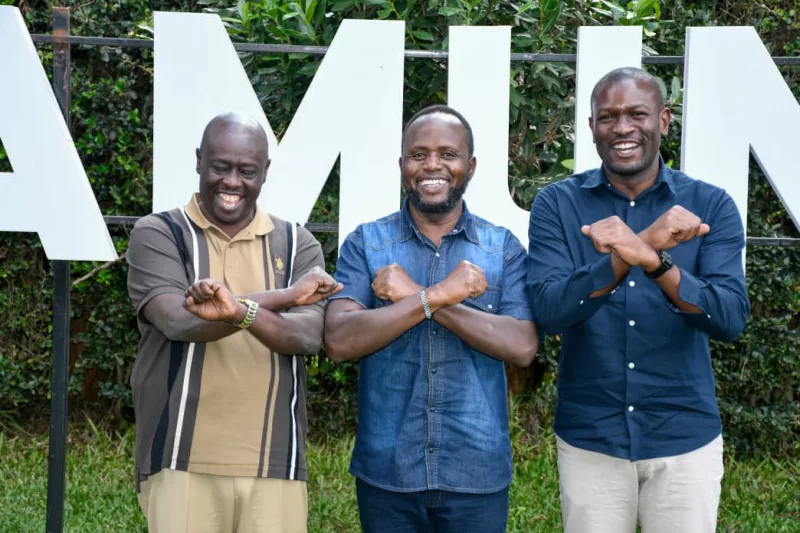
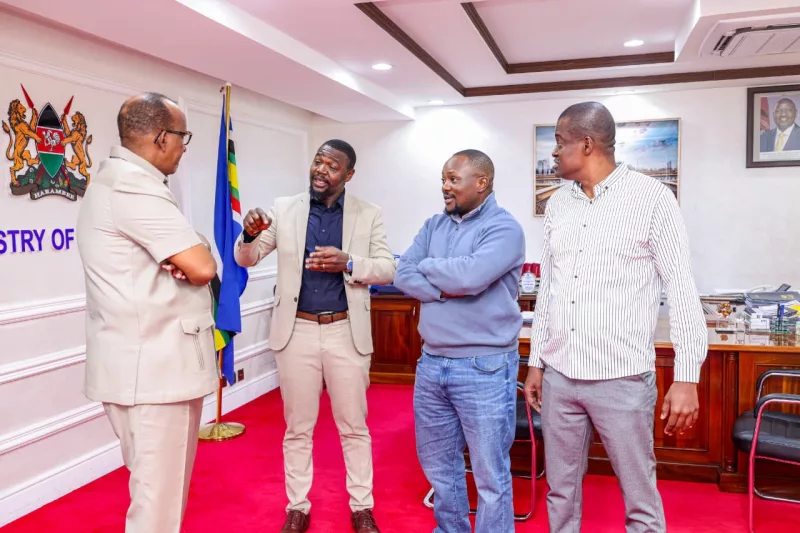
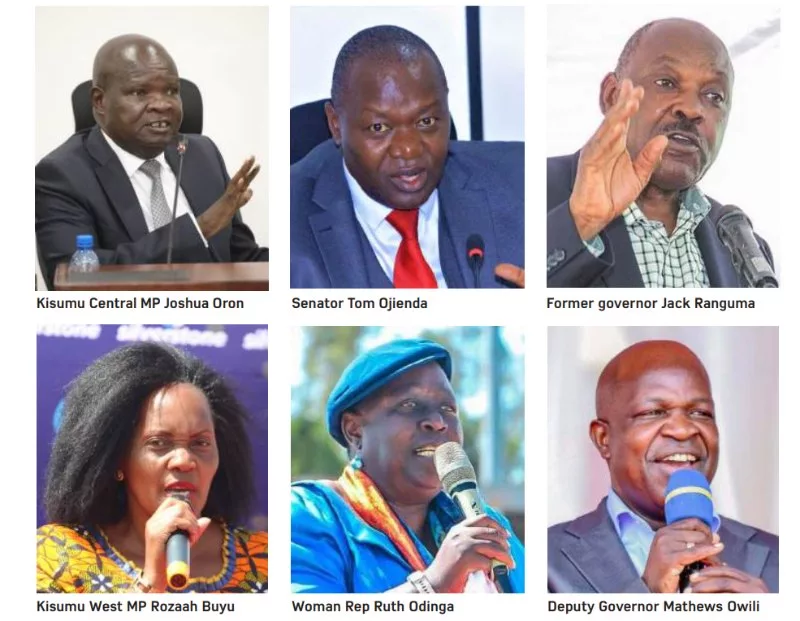
Among those positioning themselves for the seat are former Governor Jack Ranguma, Deputy Governor Mathews Owili, Kisumu West MP Rozaah Buyu, Kisumu Central MP Joshua Oron, Senator Tom Ojienda, Nyakach MP Aduma Owuor, Woman Representative Ruth Odinga and former Kisumu Central MP Ken Obura.
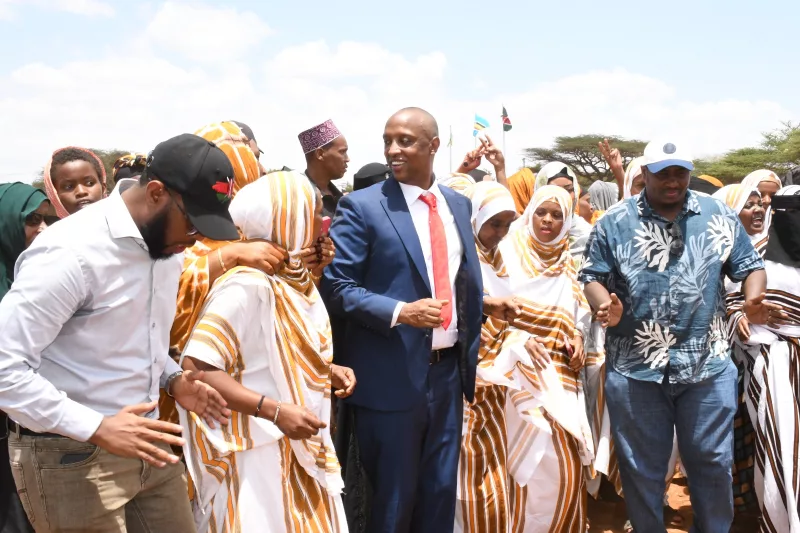
The aspirants have in recent months stepped up their engagements across the county, seeking to consolidate support while presenting themselves as the leaders best placed to steer Kisumu after Nyong’o.
Ranguma, who served as the county’s first governor from 2013 to 2017, formally declared his bid on August 10, promising to revive stalled projects and restore the county’s economic fortunes.
He has made his first-term record central to his campaign, claiming his administration implemented 1,157 projects, including 522 roads, 95 dispensaries, 80 boreholes and 45 solar floodlights in major markets.
He has also cited school feeding programmes, scholarships and bursaries, as well as interventions to address the seasonal flooding in lower Nyando river basin.
Ranguma has framed his comeback around economic revival, promising to improve the business environment, rehabilitate access roads and tackle water insecurity and boost pipe water supplies.
“I know what it takes to turn around the economy of Kisumu and give hope to everyone,” he said, promising to “recreate millionaires and make Kisumu City shine again.”
Owili enters the race with a significant advantage his experience inside the county government after serving as Nyong’o’s loyal deputy for two terms.
His campaign is likely to focus on continuity, institutional knowledge and the experience gained in running the county administration.
“I have gained a treasury of experience in leadership and ready to carry on to implement a raft of development projects we started with Prof Nyong’o,” he said.
But the same experience presents a challenge.
As part of the current administration, Owili will have to persuade voters that he can deliver improvements while also answering questions about the county government’s record on service delivery, development and management of resources.
His task will therefore be to sell continuity without appearing to defend the status quo.
Oron is also building his campaign around his parliamentary experience and growing political profile.
The Kisumu Central MP is expected to present himself as part of a new generation of leaders capable of taking over the county’s political and development agenda.
His proximity to the city’s political and business constituencies could prove important as he seeks to turn his national parliamentary profile into countywide support.
He points to education support, infrastructure and grassroots empowerment as evidence of his leadership.
“Kisumu deserves practical leadership that delivers and my records speak for itself, I am certain that they will entrust me to lead them”, Oron had earlier said.
His challenge, like other first-time gubernatorial contenders, will be expanding his support beyond his parliamentary base and building a strong countywide network ahead of party nominations.
Oron, who hails from Kano clan, also faces internal competition from Ranguma and Obura whose lineage trace to the same area thus setting them on a collision path as they seek the community nod. They are likely to split votes.
Obura has chosen a different path from most of his rivals by positioning himself outside the established party structure.
The former Kisumu Central MP is running as an
independent candidate, challenging the traditional influence of party
nominations in determining who gets elected how and when. For him it's his time
to succeed Governor Nyong'o.
He argues that party primaries can sometimes deny voters the opportunity to choose the most capable candidate and can weaken accountability once leaders take office.
His independent bid will therefore provide a test of whether a candidate can overcome the powerful party machinery and political loyalties that have historically influenced elections in Kisumu.
Buyu, Ruth bring gender equity dimension
Buyu is positioning herself differently, banking on her legislative experience and development record while presenting herself as a fresh but experienced alternative.
She says she has what it takes to become Kisumu’s third governor.
Ruth, meanwhile, has anchored her campaign on economic empowerment under the slogan of money in the pocket while promising greater support for small businesses, youth, women, persons living with disabilities and self-help groups.
She has also challenged voters to move away from
electing leaders solely on the basis of party affiliation or campaign handouts,
arguing that leadership should instead be judged by performance and delivery.
Her message reflects growing calls for issue-based politics, although it will also test whether Kisumu's long-standing voting patterns are beginning to shift
With two prominent women in the race, gender is
likely to become another factor as voters weigh the candidates.
Ojienda brings national visibility and legal expertise to the contest, while Aduma is expected to lean heavily on his grassroots networks as he seeks to build support beyond Nyakach.
The crowded field has already made alliances and negotiations a critical part of the race.
With party nominations still ahead, some candidates could eventually be forced to form alliances, withdraw or negotiate for support.
The contest will also test the enduring influence of ODM in a county where party loyalty has historically played a major role in elections.
But the emerging campaigns suggest that aspirants are increasingly aware that political pedigree alone may not be enough.
Development records, economic promises, personal popularity, grassroots mobilisation and the ability to build alliances are emerging as key battlegrounds.
Ultimately, the race is shaping up as a referendum on both Nyong’o’s legacy and the direction Kisumu wants to take after 2027.
Whether voters opt for continuity through Owili, a return to Ranguma’s administration,or opt for the gender balance, a new generation, or alternative approaches offered by the other contenders could determine the political future of one of Kenya’s most influential counties.