 IEBC commissioner Ann Nderitu speaks on Citizen TV on August 23, 2026. /SCREENGRAB
The country has entered a heightened electioneering period ahead of the official campaign season, but the Independent Electoral and Boundaries Commission (IEBC) says it is constrained in dealing with the vote-hunting activities already sweeping across the country.
IEBC commissioner Ann Nderitu said the publication of the election timelines in the Gazette on August 19 marked the beginning of the election year, but not the official start of the campaign period.
Speaking to Citizen TV on Sunday night, Nderitu said the official campaign period will begin on May 29, 2027, about two months before election day.
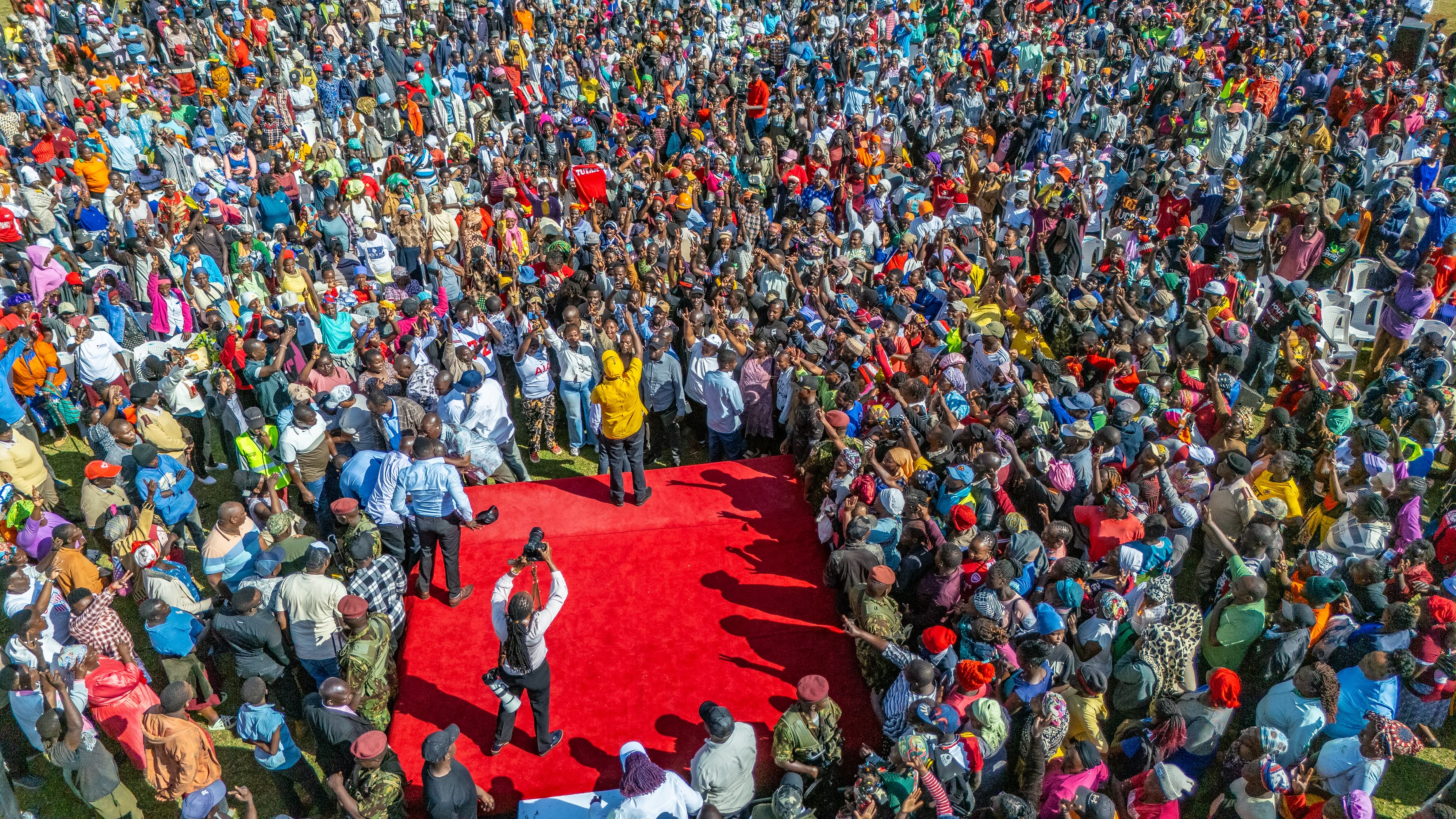
The legal distinction has, however, done little to cool the political temperature with politicians across the political divide already criss-crossing the country, holding rallies, popularising their parties and testing the waters for the 2027 contest.
Campaign-style slogans, branded merchandise and political mobilisation have become increasingly common, raising questions about why the electoral agency appears unable to rein in what looks like a full-blown campaign.
In her explanation, Nderitu said the law leaves the commission with little room to manoeuvre.
She said there is a thin line between provisions of the Political Parties Act that allow political parties to popularise themselves and laws prohibiting early campaigns.
"So we need to have a clear law and there's a gap in law," she said.
The lacuna, she explained, has made it difficult for the IEBC to draw a firm line between legitimate party activities and activities that amount to campaigning ahead of the legally prescribed period.
The issue has previously come before the courts, which tasked the Attorney General with forming a committee to develop legislation addressing the gaps surrounding early campaigns.
Nderitu said the committee has since developed a proposed law through the AG's office, but it has yet to go through Parliament for ratification.
"That is the law that they have already made, it has not gone through Parliament but at least there is a law that has been developed through the AG's office," she said.
According to Nderitu, the proposed legislation seeks to define what constitutes party popularisation and what crosses the line into early campaigning.
The distinction is increasingly important as politicians ramp up their activities ahead of the 2027 elections.
A lacuna in law refers to an unintended gap or omission in legislation where the law does not expressly address a particular issue.
Such gaps can create uncertainty over what is permitted and what is prohibited, leaving regulators with limited options until Parliament moves to close the gap.
For now, politicians appear to be taking full advantage of that legal grey area. Some have gone on the offensive with nationwide tours, rallies, campaign slogans and branded merchandise, even though the formal campaign period is still months away.
"As we speak now, we can only deal with the issues within the campaign period as given by Elections Act but that law is being made because even the courts realised that there's a lacuna," Nderitu said.
The result is a political season that has arrived long before the campaign calendar — leaving the IEBC watching the campaigns gather pace while waiting for the law to catch up.