Re
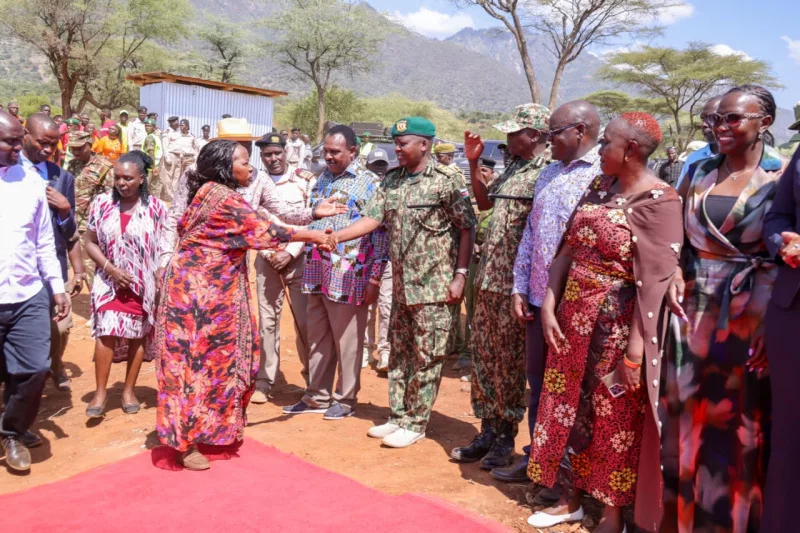
Residents of Chesongoch in Elgeyo-Marakwet County can finally smile again after First Lady Rachel Ruto handed over 53 houses built for families displaced by last year's devastating landslide, offering them a chance to rebuild their lives and look to the future with renewed hope.
The families, who lost their homes when heavy rains triggered a deadly landslide in the Kerio Valley on November 1, 2025, have endured months of uncertainty as they sought shelter and tried to recover from one of the worst disasters to hit the area.
But on Wednesday, the completion and handover of the houses marked a turning point for the affected households, providing permanent shelter and the prospect of a more stable life after the tragedy.
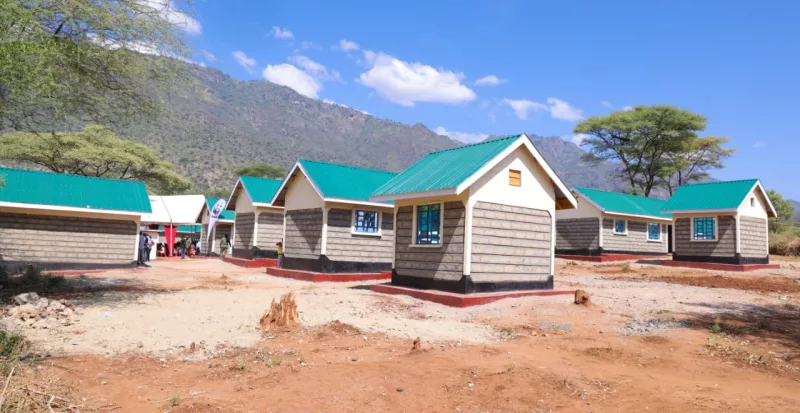
The 53 houses are part of 55 units constructed by the National Youth Service (NYS), with the remaining two expected to be handed over later.
Each unit comprises two bedrooms, a living room, a separate kitchen and a toilet, designed to give the families a decent place to call home as they begin a new chapter.
Speaking during the handover ceremony, the First Lady described the occasion as the beginning of a new chapter for the affected community, stressing the importance of peace, stability and collective support in rebuilding lives.
"The handover these houses marks an important step in restoring hope, dignity and stability to families as they rebuild their lives," she said.

She reaffirmed the government's commitment to restoring the dignity of families affected by the disaster and helping them regain secure and dignified livelihoods.
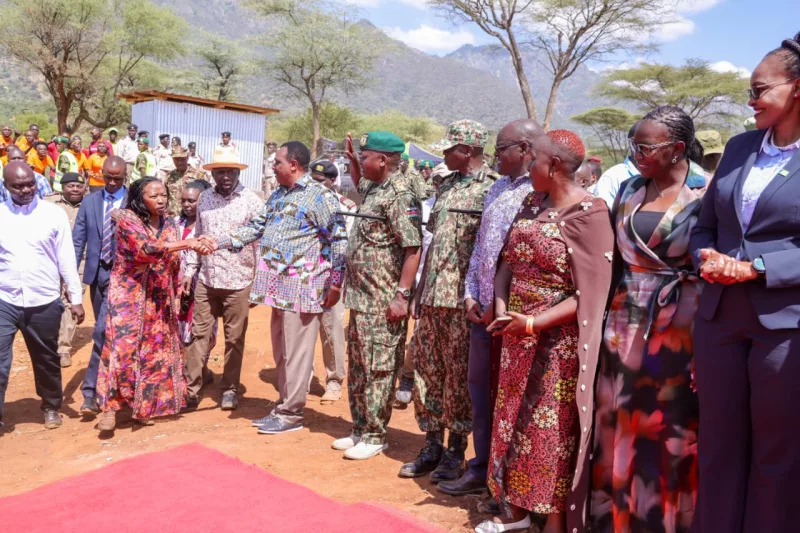
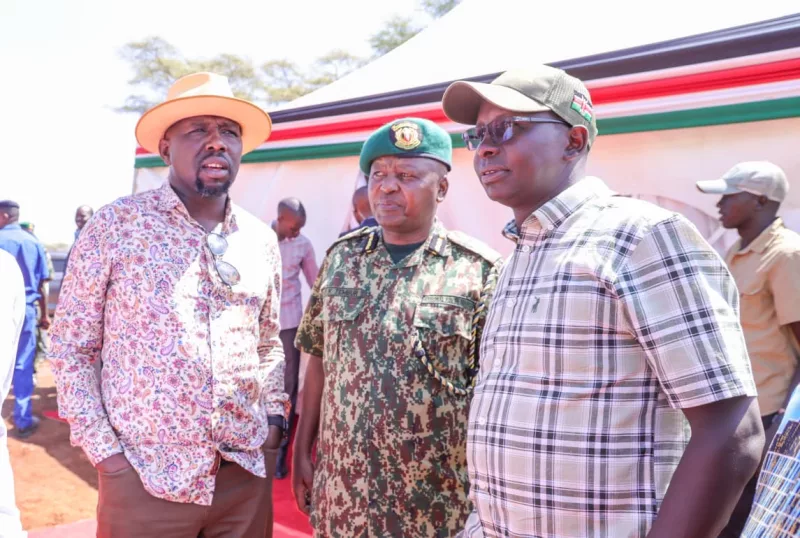
The ceremony was attended by Interior Cabinet Secretary Kipchumba Murkomen, NYS Council chairman Adan Mulata, NYS Commandant General James Tembur, Elgeyo-Marakwet Governor Wisley Rotich, local leaders and representatives of corporate organisations.
For the NYS, the housing project represents the next phase of its intervention in Chesongoch, following its involvement in emergency operations immediately after the landslide.
Mulata said the Service was among the first responders when the disaster struck on the morning of November 1, participating in search-and-rescue operations and helping open access roads to allow emergency teams and humanitarian agencies to reach affected families.
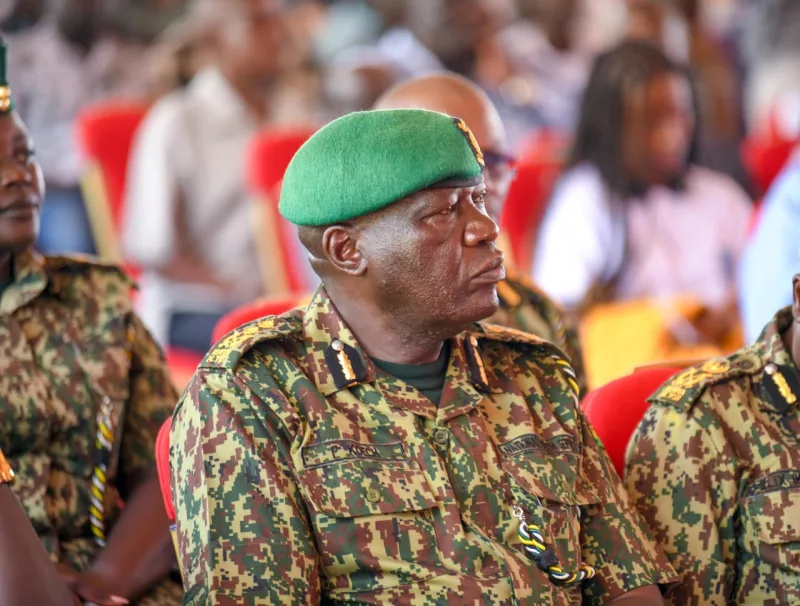
The Service later deployed its technical expertise and workforce to construct permanent houses, turning its emergency response into a longer-term effort to help survivors rebuild their lives.
The project was undertaken in collaboration with the national and county governments, professionals from the area, corporate organisations and other partners.
Construction, however, faced logistical challenges, particularly accessing the site and transporting building materials, delaying completion beyond the initial six-month timeline.
The landslide occurred after torrential rainfall triggered a massive flow of mud, rocks and debris down the Elgeyo Escarpment, sweeping through Chesongoch and surrounding settlements in Endo Ward.
More than 39 people were confirmed dead, while hundreds of families were displaced after their homes were destroyed. Many survivors sought temporary shelter at facilities, including Chesongoch Primary School, as rescue and relief operations continued.
Beyond the loss of life, the disaster disrupted livelihoods and left families struggling to establish where they would live once the immediate emergency passed.
The new houses are expected to ease that burden, giving beneficiaries a more secure foundation from which to restore their livelihoods and rebuild their futures.
The NYS commended the affected families and local community for their resilience and cooperation throughout the recovery process, while recognising the contribution of government agencies, corporate organisations and development partners.
The Service said it remained committed to supporting communities through national service, technical expertise, emergency response and development initiatives aimed at improving livelihoods.
Although the handover of 53 houses marks an important milestone, the completion of the remaining two units will be necessary to conclude the first phase of the housing project.