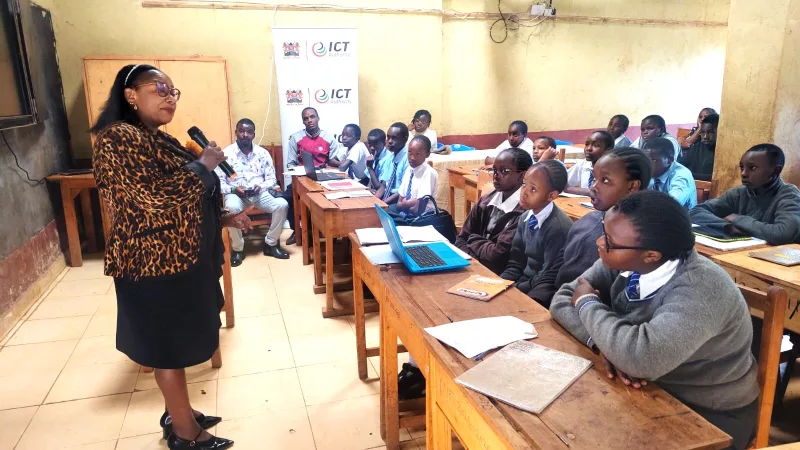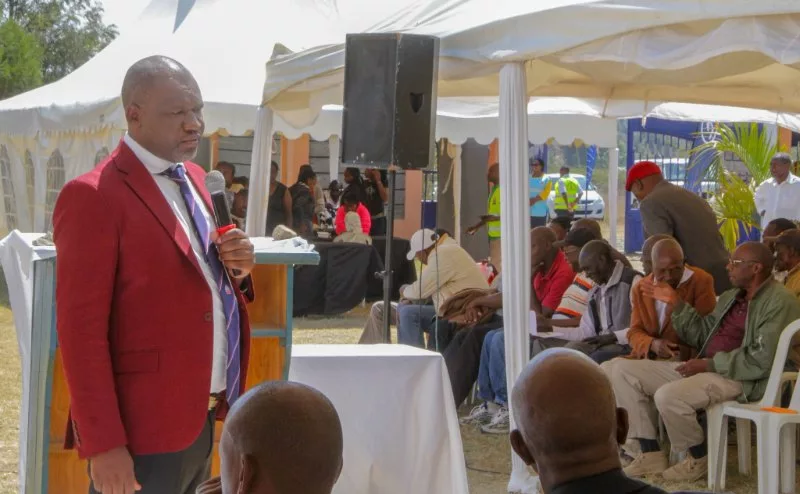
More than 300 residents of Thingithu ward in Laikipia county have benefited from a free medical camp, with men urged to prioritise prostate cancer screening to facilitate early detection and treatment.
The camp, organised by Kamuri Foundation in partnership with PathCare Kenya Limited, also offered screening for diabetes, high blood pressure and other non-communicable diseases, as well as treatment and nutrition education.
Health experts said many men delay seeking medical attention, resulting in prostate cancer being detected at advanced stages when treatment becomes more difficult and expensive.
Kamuri Foundation founder Reuben Kamuri, who is also Laikipia deputy governor, said elders needed to embrace preventive healthcare because they play an important role in families and communities.
“Today we have held a medical camp focusing on preventive healthcare. The elders are being screened for non-communicable diseases, including high blood pressure, diabetes and prostate cancer,” he said.
Kamuri said the foundation would continue promoting early screening and detection while working with partners to reach more vulnerable people, particularly in rural areas.
“Early detection and early screening is what will help our elders recover and remain healthy,” he said.
Kamuri, a health expert, said the foundation would seek partnerships to reduce preventable diseases in Central Kenya.
The campaign came amid concerns over the cancer burden in the region, with studies from Central Kenya highlighting the challenge of late diagnosis.
A review of 252 prostate cancer cases treated at Nyeri County Referral Hospital between 2017 and 2022 found that more than 90 per cent were diagnosed at an advanced stage.
Most patients were aged 50 years and above, with those aged 70 and older accounting for more than three quarters of the cases.
The 2024 National Cancer Screening and Early Diagnosis Guidelines identify prostate cancer as the most common cancer among men in the country, with 3,582 new cases estimated in 2022, accounting for 21.9 per cent of male cancer cases.
A 2024 study on cancer in Nyandarua found that prostate cancer accounted for 8.6 per cent of all cancer cases recorded in three county hospitals, making it the fifth most common cancer overall and the second most common among men.
James Kuria, a medic with PathCare Kenya Limited, said men often took too long to seek medical attention, making screening important in identifying prostate abnormalities early.
“We came here and joined forces with Kamuri Foundation to support men in prostate cancer screening. Early detection is important because it can save costs and allow a patient to be monitored at an early stage,” Kuria said.
He said the camp used a quantitative PSA test, with patients advised to consult clinicians after receiving their results, particularly where PSA levels were elevated.
The Ministry of Health guidelines note that prostate cancer may have no symptoms in its early stages, making appropriate assessment important.
The guidelines recommend an individualised approach to PSA testing, with men making informed decisions in consultation with healthcare providers.
Residents at the camp also raised concerns over frequent health workers’ strikes and shortages of medicines in county facilities, calling for improved service delivery.
One beneficiary, Waweru Gathaka, said elderly people often avoided hospitals and endured illnesses at home.
“We are afraid of going to hospital and often keep our problems at home because of lack of funds, but now medical services have been brought closer to us and we have undergone all the necessary tests,” Gathaka said.
Kamuri said the foundation would continue supporting medical camps and health education targeting older people and vulnerable communities in rural areas