Only two per cent of employees in public institutions covered by the latest assessment are persons with disabilities, falling well short of the statutory five per cent requirement.
The finding is contained in the 21st cycle of Performance Contracting for the 2024-25 financial year, evaluated by the National Gender and Equality Commission (NGEC).
Of the 93,506 employees in 88 institutions that submitted returns, 1,828 were persons with disabilities.
The figures also reveal a significant gender gap. Only 638 of the 1,828 employees with disabilities were women, meaning there were nearly two men with disabilities for every woman.
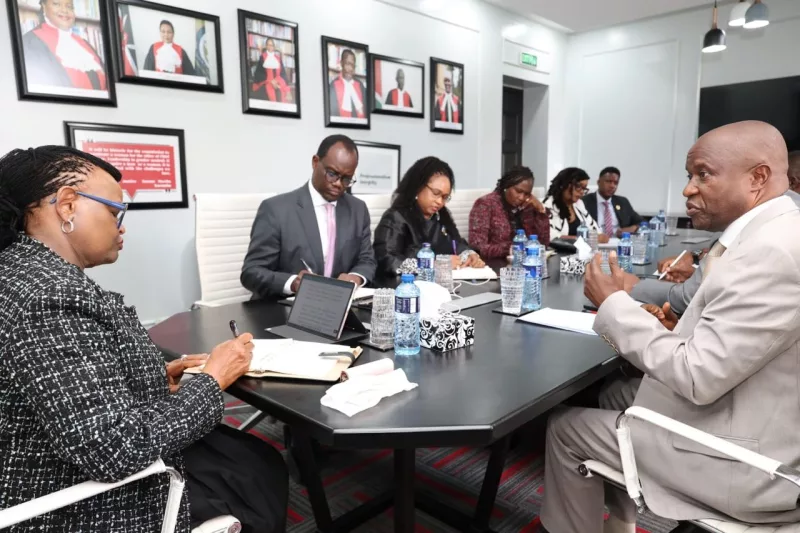
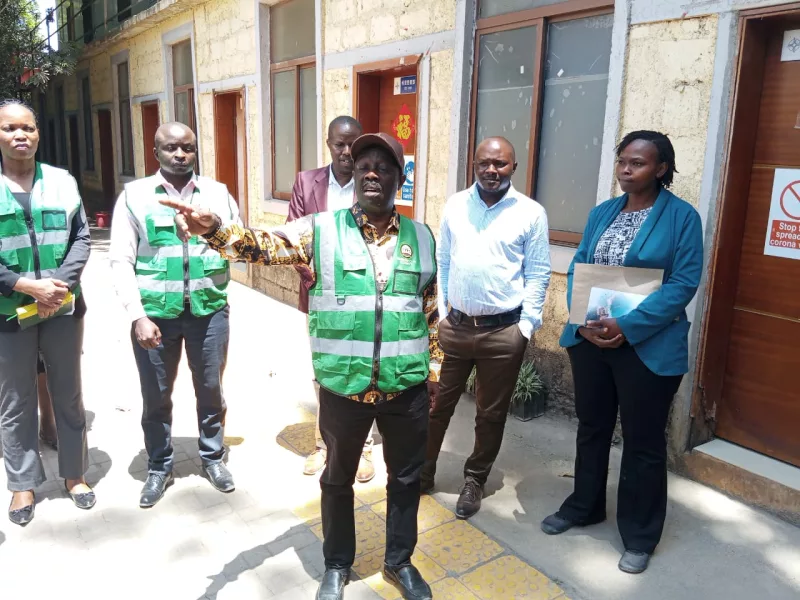
“The numbers are telling,” said NGEC secretary and chief executive officer Purity Ngina, noting the findings exposed the gap between policy commitments and the lived experiences of citizens.
The shortfall was also reflected in access to public services.
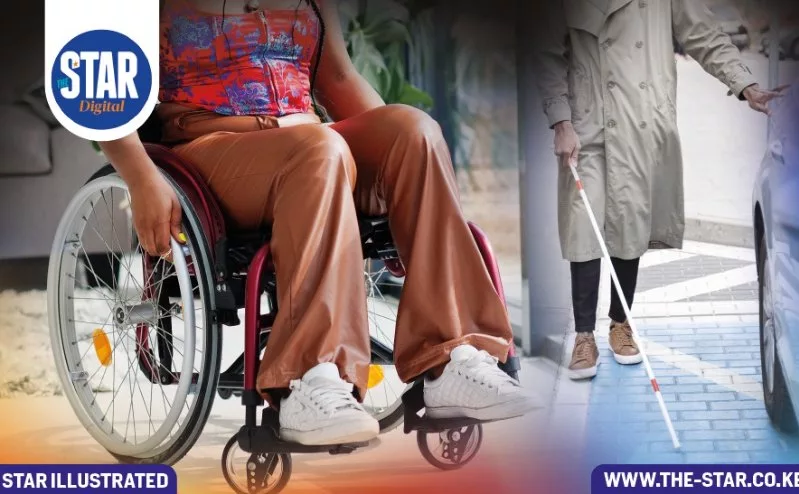
An accessibility audit of 35 public and private buildings across seven counties between October 2024 and May 2025 found 11 were inaccessible to persons with disabilities.
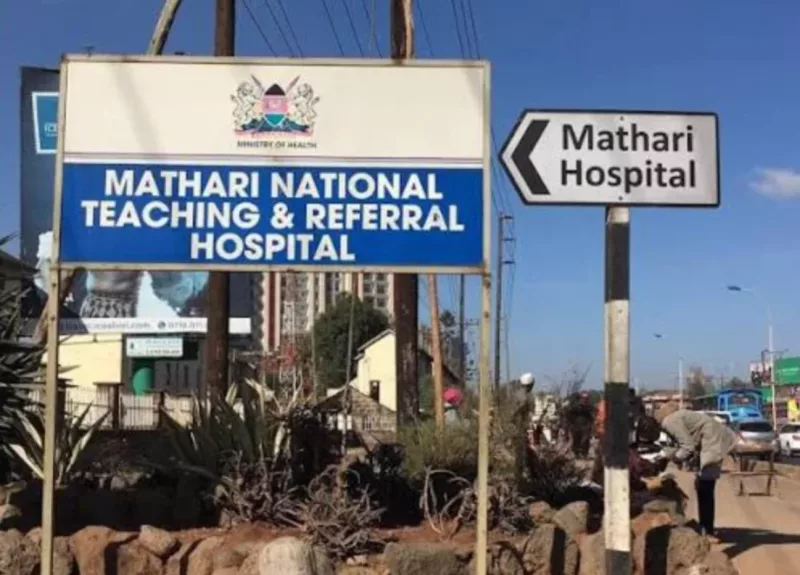
The buildings included facilities where Kenyans register births, file court cases and seek medical treatment. Some lacked basic adaptations such as ramps, accessible washrooms and Braille signage.
Tactile walking surfaces, which help people with visual impairments navigate buildings, were found in only five of the audited facilities.
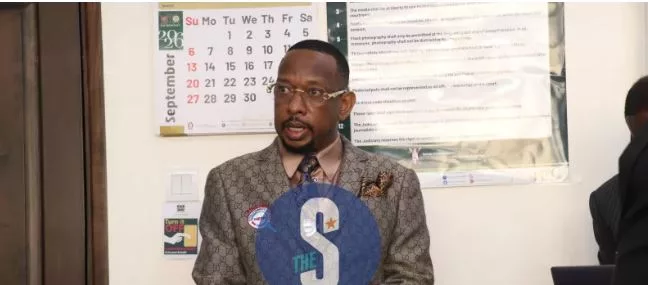
“Accessibility is not a favour extended to persons with disabilities,” said commission chairperson Rehema Jaldesa.
“It is a constitutional right and a legal obligation.”
The commission also raised concerns over declining compliance with reporting requirements.
Only 88 institutions submitted returns in the latest cycle, compared with 201 in 2023-24 and 390 in 2022-23.
The overall Gender Mainstreaming and Inclusion Index scored 83 per cent, two percentage points below the 85 per cent target. However, the commission cautioned the score only reflected institutions that submitted returns.
“The fewer institutions that report, the harder it becomes to know whether the picture is improving across the public service or only among those that are measuring and reporting their performance,” the commission observed.
The decline has been attributed partly to the absence of a policy framework requiring public institutions to implement and report on gender mainstreaming actions.
This followed a broader retreat in the 2023-24 cycle, when the government dropped the gender mainstreaming indicator from performance contracts.
There were, however, areas of progress.
Gender balance improved, with 88 per cent of reporting institutions complying with the constitutional requirement that neither gender exceed two-thirds of the workforce.
Women accounted for 39.9 per cent of the 93,506 employees assessed.
The Usawa Awards 2026, held in Kilifi, also recognised three state corporations that exceeded the five per cent disability quota on their boards and in senior management.
Among the awardees were institutions that had introduced lactation rooms, opened daycare centres and incorporated inclusion training into agricultural value chains.
The Coast Civil Society Network for Human Rights was also honoured for petitioning the commission and the Senate to audit public institutions on accessibility.
The petition directly led to the accessibility audit, whose findings were released on the same day.
The commission has now called for a mandatory public sector reporting mechanism based on minimum inclusion indicators, backed by incentives and sanctions.
It also recommended that the National Construction Authority make accessibility a mandatory requirement for construction permits and impose penalties for violations.
“The evidence is clear. The priority now is to close the gap between policy commitments and the experience of citizens,” Ngina said.
Instant analysis
The findings expose a troubling gap between Kenya’s legal commitments to inclusion and the reality facing persons with disabilities. With only two per cent of employees in reporting public institutions having disabilities, the five per cent statutory target remains far from being achieved. The sharp decline in institutional reporting further weakens accountability, making it difficult to establish whether inclusion is improving. Physical inaccessibility compounds the problem, suggesting that exclusion persists both within public employment and in access to essential services.