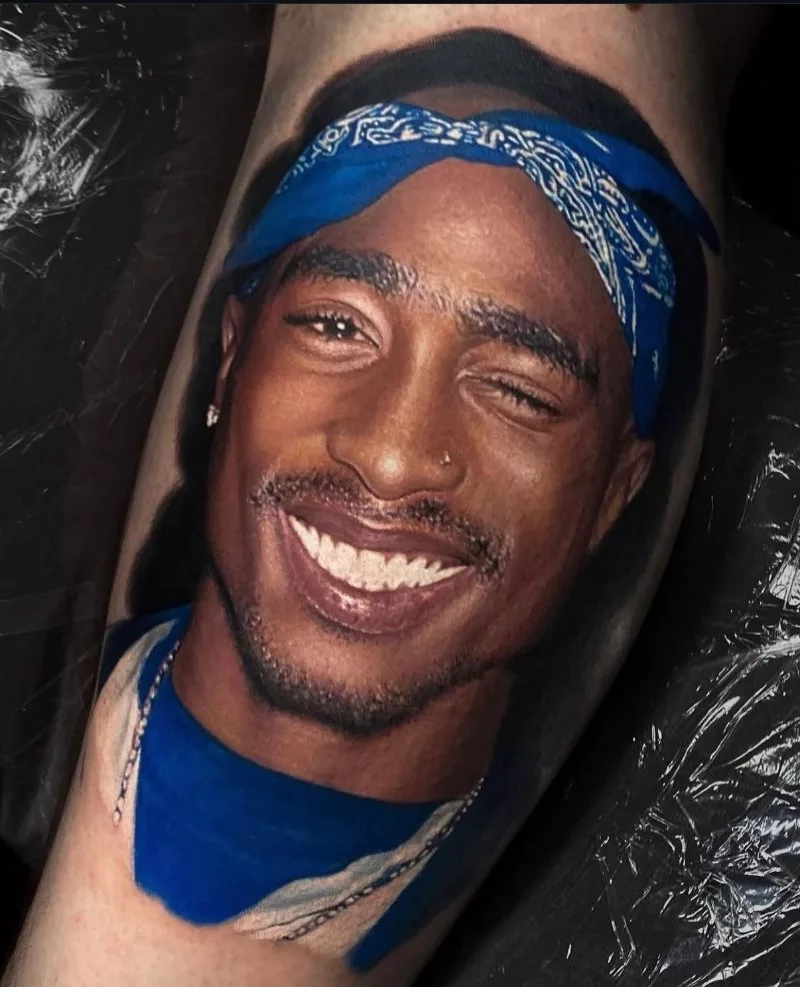
Nearly three decades after Tupac Shakur was fatally shot in Las Vegas, the long-running investigation has finally reached the courtroom.
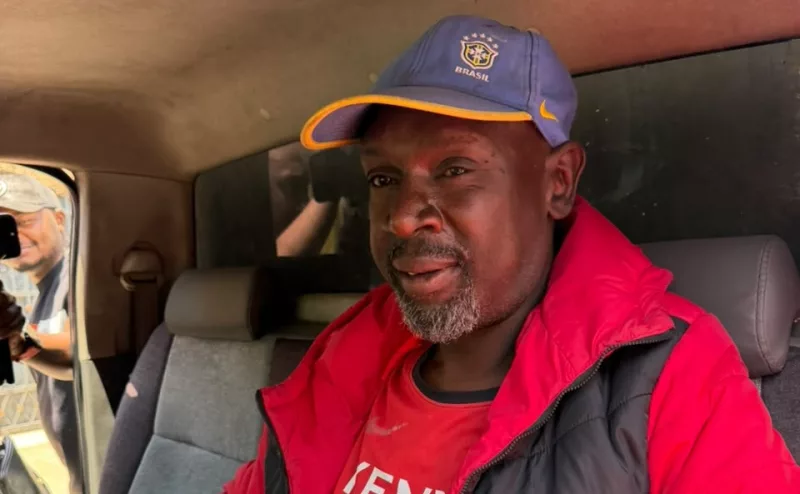
The trial of Duane “Keffe D” Davis began with prosecutors presenting him as the organizer behind the 1996 shooting that claimed the life of one of hip-hop’s most influential artists. Davis, now 63, has pleaded not guilty and maintains that he was not responsible for Shakur’s death.
The prosecution acknowledges that Davis was not the person who pulled the trigger. Instead, prosecutors allege that he helped arrange the attack following an earlier confrontation involving his nephew, Orlando Anderson, and Shakur.
A Grudge That Prosecutors Say Turned Deadly
According to prosecutors, tensions boiled over hours before the shooting when Anderson was involved in a physical altercation with Shakur in Las Vegas.
They argue that Davis viewed the incident as something that demanded retaliation. Prosecutors say he subsequently obtained a firearm and helped organize the group that would later encounter Shakur and Death Row Records co-founder Marion “Suge” Knight on the Las Vegas Strip.
The prosecution's theory is that Davis and the other men were traveling in a white Cadillac when they spotted Shakur's convoy. Rather than continuing on their way, prosecutors say the group turned around and confronted the rapper's vehicle.
The fatal shots were fired from the Cadillac.
Shakur was only 25.
A Case That Refused to Disappear
Shakur was shot on September 7, 1996, following a Mike Tyson boxing match. He died six days later from his injuries.
The investigation quickly became one of the most closely watched unsolved cases in music history. Investigators faced a difficult environment shaped by gang rivalries, distrust of law enforcement and the intense tensions surrounding the so-called East Coast-West Coast hip-hop feud.
Police have argued that witnesses were reluctant to cooperate. People connected to Shakur, however, have questioned whether investigators pursued crucial leads effectively and have accused authorities of sometimes treating members of the rapper's entourage as potential suspects rather than witnesses.
For years, the case produced few tangible results.
Then Davis began talking publicly.
The Memoir That Changed the Investigation
A major piece of the prosecution's case is a memoir published by Davis in 2019. In the book, Davis described himself as a passenger in the vehicle involved in the shooting and discussed events surrounding Shakur's death.
Prosecutors argue that his own words help establish his role in the alleged conspiracy.
During opening arguments, Chief Deputy District Attorney Binu Palal told jurors that Davis did not fire the weapon but allegedly helped plan the attack.
Davis's defense team disputes that account.
His lawyers have argued that the memoir contains fictionalized material and that Davis did not personally write every part of it. They contend that portions were exaggerated to make the book more commercially appealing.
The defense has also questioned why the authorities took so long to charge Davis and why, after almost 30 years, so much of the evidence remains disputed.
Defense Challenges the Investigation
Davis's attorneys have portrayed the prosecution's case as the product of an investigation that was incomplete and unreliable.
They have pointed to missing police records, inconsistencies in witness accounts and questions surrounding evidence gathered over the decades. The defense also argues that some witnesses have criminal histories or possible financial and media-related motivations.
Attorney Michael Sanft challenged prosecutors to explain what evidence could still be considered dependable after so many years.
The defense's central argument is straightforward: if Davis was truly responsible, why did it take nearly three decades for authorities to bring him to trial?
Memories From the Night of the Shooting
One of the first witnesses called by prosecutors was Garry Dale, a former Las Vegas Metropolitan Police Department officer who encountered Shakur after the shooting.
Dale testified about accompanying the injured rapper in an ambulance. According to his testimony, Shakur did not provide investigators with information about who had attacked him.
Another witness, Ingrid Stokes, recalled being in Las Vegas with friends on the night of the shooting.
Stokes said her group encountered Shakur and Knight and began following their vehicles after one of her friends suggested they head toward a club.
She recalled noticing another vehicle behaving suspiciously behind them. At one point, the group stopped so the drivers could switch places.
Then the gunfire began.
Stokes described the sudden chaos as everyone in the vehicle reacted to the sound of the shots.
A Trial With Global Attention
The proceedings are expected to revisit nearly every major question surrounding Shakur's final hours: the confrontation involving Anderson, the movements of the vehicles that night, the identities of those inside them and the reasons the investigation remained unresolved for so long.
Prosecutors are expected to call investigators, witnesses and experts as they attempt to establish Davis's alleged role in organizing the shooting.
The defense, meanwhile, will challenge the reliability of evidence accumulated over decades and argue that the prosecution has built its case around questionable accounts and statements.
For fans who have spent years wondering what happened to Tupac Shakur, the trial represents something more than another criminal proceeding.
It is an attempt to finally answer questions that have surrounded one of music's most enduring mysteries since September 1996.
Whether the evidence will convince a jury that Davis orchestrated the killing remains to be decided. But after almost 30 years, the story of Tupac's final night is once again being examined under the brightest spotlight possible: inside a courtroom.