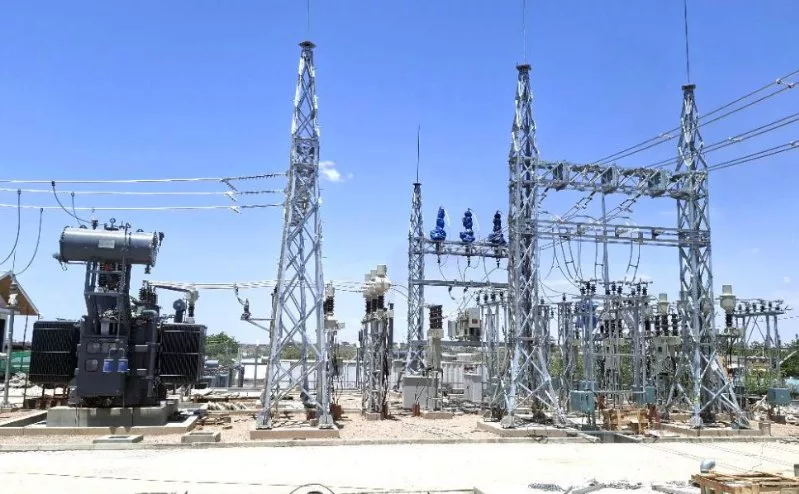
The government’s last-mile connectivity programme is a
life-changing project, but questions remain about its effectiveness and whether
the benefits are reaching those who need them most.
In some areas, households bordering schools and other
connected facilities remain without electricity, creating pockets of darkness
despite the presence of supply nearby.
While the power supply is generally stable, affordability
remains a major challenge for many families. The question is whether households
can use electricity effectively when the cost of connection and consumption
remains beyond their means.
There are people who have been connected, but others have
been discouraged by the high costs.
For instance, when Kenya Power gives a household a
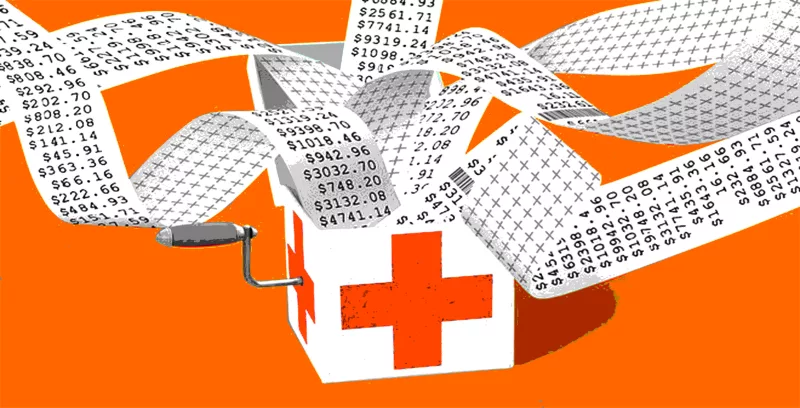
connection bill of Sh500,000, how can an ordinary family afford it? If the
government wants to expand access, connectivity must be delivered at a cost
that ordinary households can manage.
This is happening in my village, where some homes remain
unconnected because the cost is simply beyond their reach. Affordability must
therefore be treated as a central part of the last-mile programme.
We must also address the political nature of the project. There is growing interest from Members of Parliament, raising questions about whether connectivity is being driven by need or political expediency.
There is also a lack of order in how customers are served. Some applicants are connected within a short time, while others wait for years. I personally waited two years before getting connected.
The process should be based on a clear
first-come-first-served system, with priority given according to established
needs and application dates. This would improve fairness and transparency.
It is only through such an approach that we can erase the perception that one must sing the tune of a particular politician to be connected to the national grid.
The Executive Director of Community Initiative
Action Group spoke to the Star