The government has unveiled a Sh5.3 billion project to secure and rehabilitate heavily degraded wetlands in Nandi county.
This came amid warnings that Kenya is rapidly losing critical ecosystems to human activity and climate change.
The Securing Important Wetlands through Enhanced Tenure (Soiwet) programme will strengthen community and county land and water tenure rights while protecting and restoring critical wetland ecosystems.
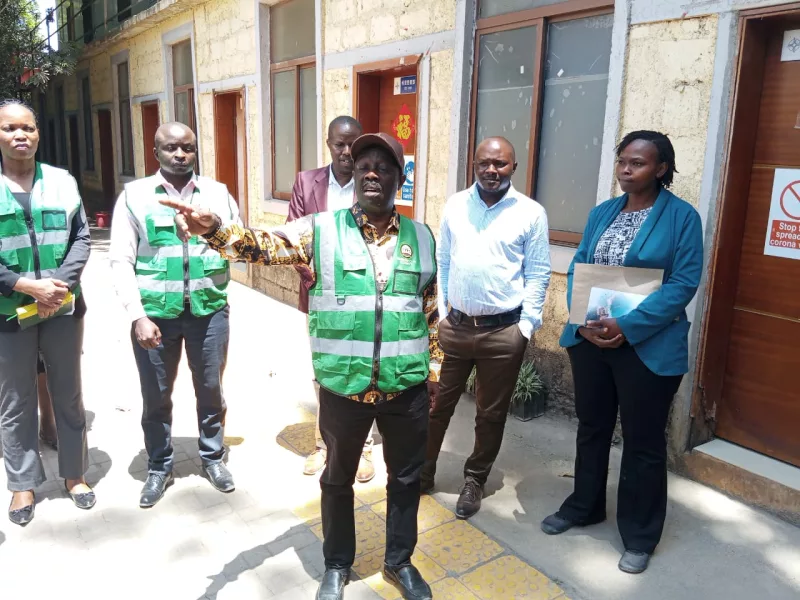
Experts from government agencies involved in wetland conservation met in Nairobi on Tuesday to discuss ways of reversing the threats facing the country’s wetlands.
Kenya Wildlife Service officer in charge of marine and wetlands conservation Anastacia Mwaura said Kenya had lost about half of its wetlands over the past three decades to agriculture, settlement and drainage.
“Wetlands matter because they enhance water security, host biodiversity, control floods, support livelihoods and store carbon, helping Kenya to meet its nationally determined contribution,” Mwaura said.
Under the project, the government plans to secure, restore and conserve a 73-kilometre section of the King’wal wetland corridor across Chesumei and Emgwen subcounties.
The area serves more than two million people and forms part of a 768,497-acre catchment that includes the headwaters of River Yala and the Lake Victoria Basin.
Mwaura said the Cabinet would approve the acquisition of 1,236 acres and a riparian buffer zone, after which the National Land Commission would begin valuation and compensation.
The 73-kilometre corridor is also expected to be nominated as a Ramsar site, giving it international recognition for its ecological importance.
“The Ministry of Tourism and Wildlife will support ecotourism development and conservancy gazettement,” Mwaura said.
The project is expected to improve River Yala’s dry-season flow by 40 per cent by 2031, create 10,000 green jobs and place 2,100 hectares (5,189 acres) under protection and restoration.
Of the Sh5.3 billion, Sh2.5 billion will be used to acquire land and establish buffers, Sh1.2 billion for restoration, Sh650 million for infrastructure, Sh400 million to support 50 ecotourism groups and Sh550 million for governance and monitoring.
National Environment Management Authority deputy director for ecosystems management Dan Ashitiva said Kenya’s wetlands covered about 3.4 per cent of the country’s land area, or 14,000 square kilometres, and directly supported 5.2 million people.
He said wetlands generated ecosystem services valued at Sh3.24 trillion annually, with water purification alone accounting for more than a quarter of the total value.
Despite their importance, Ashitiva said Kenya had lost 25 per cent of its wetland area since 2010.
He said the rate of loss had accelerated from 3.6 per cent between 2010 and 2015 to 7.1 per cent between 2015 and 2020 and 16 per cent between 2020 and 2026.
Agricultural encroachment, pollution, invasive species, climate change, over-abstraction of resources and urban expansion are among the major drivers of degradation.
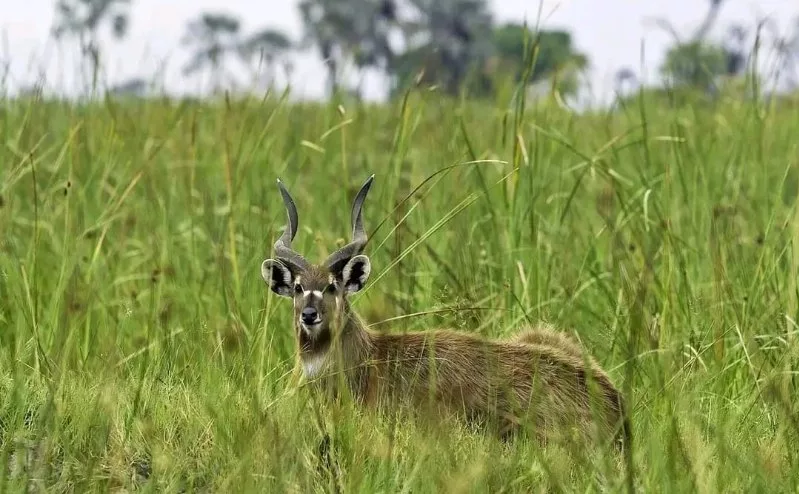
Ashitiva said more than 340 wetland-dependent species were endangered or vulnerable, including the sitatunga antelope, shoebill stork, grey crowned crane, hippos and several indigenous fish species.
He cited fragmented mandates among agencies, weak enforcement and inadequate funding as major challenges, noting that wetlands receive less than 0.1 per cent of the total environment budget.
He said fewer than 15 per cent of wetlands currently have active management plans.