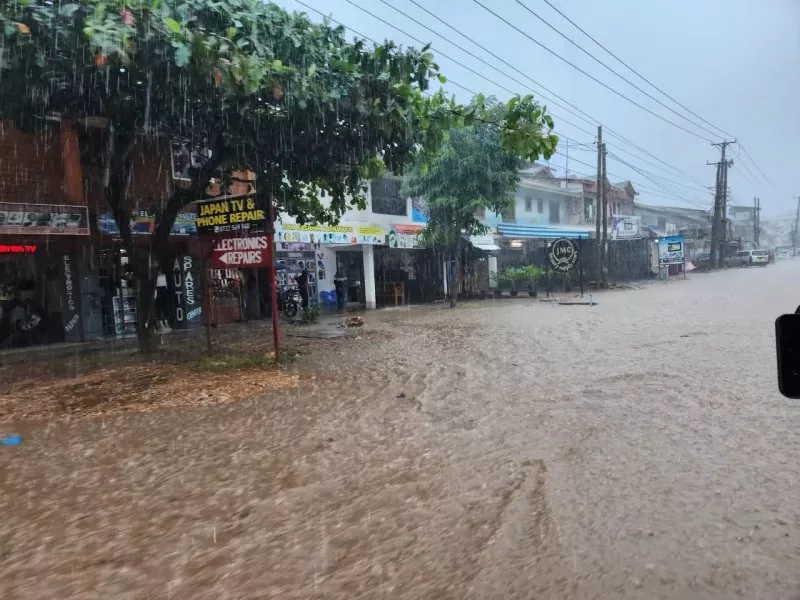
The warning is clear. Eighteen counties are now at risk of El Niño, with an 81 per cent likelihood that its impact could be severe and extend into early 2027.
This is not the time for complacency, bureaucratic delays or the familiar Kenyan habit of responding to disasters after they have struck. The national and county governments must move now to protect lives, property and livelihoods.
Areas under threat include the Coast, Lake Basin, Rift Valley and North Eastern. Kenya cannot afford another cycle of flooded homes, destroyed roads, displaced families, ruined crops and disease outbreaks before authorities swing into action.
The National Emergency Multi-Agency and County Response teams must immediately activate preparedness plans. They should identify flood-prone settlements, clear drainage systems, prepare evacuation centres, position relief supplies and ensure emergency medical teams are ready.
Critical roads, bridges, schools and health facilities likely to be affected must also be assessed and contingency measures put in place.
County governments, in particular, must not wait for Nairobi to tell them what to do. They know their vulnerable neighbourhoods and communities better than anyone else.
The warning from the World Meteorological Organisation that El Niño is strengthening should be treated as an urgent call to action.
Kenya has been warned. Leaders have the information, the time and the responsibility to prepare.
The best disaster response is the one mounted before disaster strikes.
Quote of the Day: “For to be poised against fatality, to meet adverse conditions gracefully, is more than simple endurance; it is an act of aggression, a positive triumph.” —German novelist Thomas Mann died on August 12, 1955