Kisumu Governor Prof Anyang’ Nyong’o has explained why Kenya must begin discussing its long-term development plans now.
He has warned that the country risks losing strategic direction if it moves from Vision 2030 to another series of short-term plans without agreeing on where it wants to be in the decades ahead.
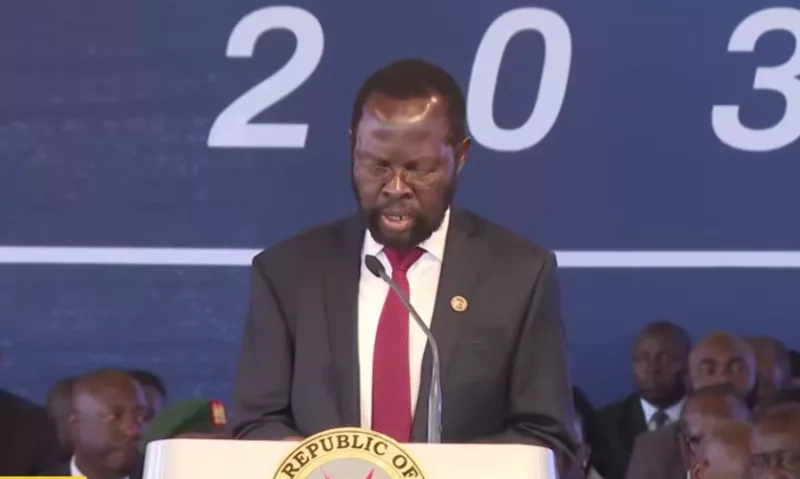
Nyong’o, who is leading the strategic working group designing Vision 2060 and was among the architects of Kenya’s original Vision 2030, spoke on Wednesday, August 12, 2026, during the launch of nationwide public consultations on the proposed long-term development framework.
The governor said Kenya must have a clear picture of the future it wants before developing programmes and projects meant to achieve that vision.
“In the days to come, we must build for the future. To build for the future, we must have a clear view of the future we desire and commit to build it block by block until we achieve it,” Nyong’o said.
He said questions over why the country is having the conversation at this particular moment were legitimate, but argued that there are compelling reasons for beginning the process now.
“Many are asking why we are having this conversation now. There are three compelling reasons why this conversation should take place at this time,” he said.
Nyong’o noted that Kenya has been guided by Vision 2030 as its long-term development blueprint since 2008, with implementation taking place through successive five-year medium-term plans.
He said the approaching end of the current planning cycle makes it necessary for the country to determine what comes after 2027 and, more importantly, establish a long-term destination beyond 2030.
“But what happens after 2027? This is where medium-term plans become important,” Nyong’o said.
He cautioned that simply developing another five-year plan without agreeing on the country's long-term destination could undermine national planning.
“If Kenya simply develops another five-year plan without agreeing on the country’s long-term destination beyond 2030, our planning process risks becoming another cycle of programmes and projects without sufficiently clear national direction,” he said.
Vision 2030 was designed to transform Kenya into an industrialised middle-income country providing a high quality of life to all citizens in a clean and secure environment.
Nyong’o said the country must therefore take stock of what has been achieved under the framework while identifying areas that still require attention.
“It is necessary to take stock of how far we have come,” he said, noting that some of the challenges Vision 2030 was designed to address have been substantially dealt with, while others remain unresolved or have become more complex.
He added that Kenya is now confronting new challenges that were largely absent when Vision 2030 was conceived.
Vision 2060 is being positioned as the successor to Vision 2030, with the proposed framework expected to provide a long-term economic and infrastructure roadmap extending beyond the current development blueprint.
The process is expected to gather views from citizens across the country through a people-driven National Development Charter.
The proposed charter will capture the aspirations and priorities emerging from the public consultations and provide the basis for developing the country's post-Vision 2030 development agenda.