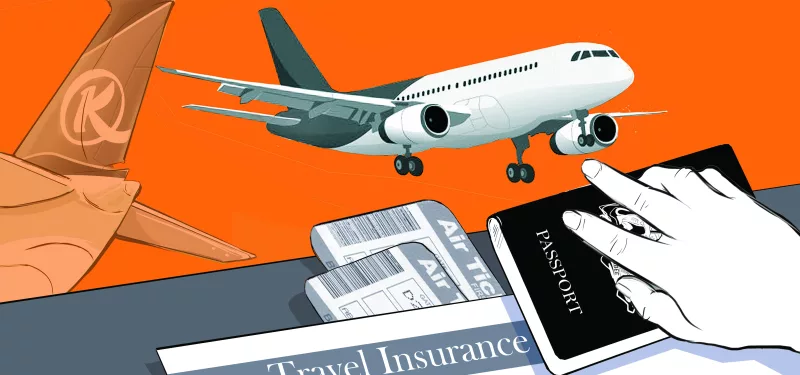
Last week, quietly, the tables turned. Through a Gazette notice dated July 29, the Cabinet Secretary for Health made travel health insurance mandatory for foreign visitors staying under a year, with a minimum benefit of $50,000. For once, the world will queue with a certificate for us.
Let me be clear before the criticism starts flying, because it will: the principle is sound. More than 20 countries, from Cuba to Saudi Arabia to the entire Schengen area, already do this, and the logic is identical everywhere. When an uninsured visitor is wheeled into a hospital, somebody pays.
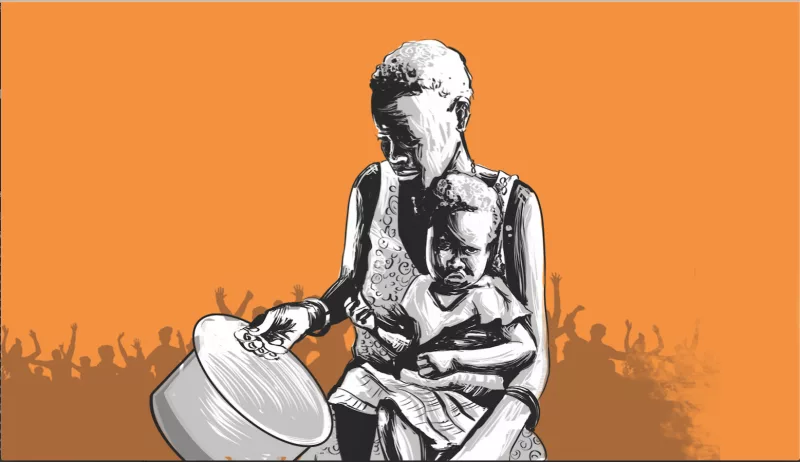
I have met that visitor. A young Nigerian woman flew into Nairobi to visit her Kenyan boyfriend, a trip that was meant to be all introductions and good restaurants until a road crash put her in an orthopaedic ward instead. Surgery, implants, weeks of inpatient care, a bill running into hundreds of thousands of shillings. She had no cover, love does not pay invoices and the balance sat where these balances always sit: on the books of the hospital that treated her.
That bill does not vanish. It is absorbed by a public facility already stretched thin, which means it is paid by every Kenyan patient waiting behind the visitor. Shifting that cost to an insurer is not hostility to tourists. It is basic fiscal hygiene.
So the interesting question is not whether Kenya should have this policy. It is whether we have designed it as well as the countries we are copying. Not yet, on four counts, and each fix already exists somewhere in the world.
Start with the traveller who is already insured. The Gazette provides for cover from insurers licensed under our Insurance Act, and as gazetted, nothing provides for recognising cover a traveller already holds.
Picture a German surgeon flying in for a conference, carrying a comprehensive international policy that would pay any hospital in Nairobi without blinking.
If she must nonetheless buy a second, Kenyan policy to board her flight, we have not protected our hospitals. We have taxed her twice and told her about it. No serious destination does this.
Schengen accepts any insurer authorised in a member state; Ecuador accepts any valid policy covering the trip.
The Ministry of Health should write mutual recognition into the implementation framework: any foreign policy demonstrably meeting the $50,000 schedule qualifies, verified digitally before travel.
Which raises the second question: verified where? Kenya already requires every visitor to obtain an electronic travel authorisation (eTA) before boarding, and that is where this requirement should live. Saudi Arabia shows the cleanest version, insurance bundled automatically into the visa and linked to the visa number, so the traveller does nothing extra.
The alternative, airline staff and border officers squinting at certificates, produces queues, inconsistent enforcement and arguments at three in the morning in Terminal 1A.
The ministry has promised a verification portal. Immigration should embed it in the eTA so that compliance is finished before anyone reaches an aircraft.
Third, who sells the cover matters as much as what it covers. This scheme has already survived tendering controversies and court challenges since it was first floated in 2023, and that history is a warning about structure. Cuba routes all visitors to a single captive provider, and captive pricing follows.
The alternative is an open panel of licensed insurers competing within the gazetted minimums, with premium bands published so every traveller knows what the cover should cost.
Schengen insurance sells for roughly a euro a day precisely because dozens of insurers fight for it. Travellers accept insurance mandates when they are cheap, competitive and frictionless. They resent a toll booth.
The fourth point is the one closest to my daily work, and the one that will decide whether this policy means anything.
The entire justification for the rule is the unpaid hospital bill. Yet the Gazette specifies benefit limits, not claims performance and a $50,000 policy that pays late, disputes admissions, or reimburses the traveller rather than the facility does nothing for the ward carrying the cost.
The Insurance Regulatory Authority should require direct billing agreements between approved insurers and hospitals, set turnaround times for claims with penalties for breach and publish settlement data for this product every year.
That data would also correct the schedule itself over time. Three hundred dollars for medicines $25,000 for evacuation looks like a number chosen in a meeting, not from claims experience.
None of this is a case against the policy, and parts of it deserve defending as drafted: the refund for travellers denied entry is genuinely good practice, and the 12-month threshold sensibly separates visitors from residents.
With tourism earning Kenya more Sh350 billionlast year, the stakes of getting the design right are simply high.
Done well, this becomes like Schengen's rule: invisible, cheap, a certificate bought in five minutes and never thought about again. Done badly, it becomes Cuba's: a grievance travellers warn each other about before they have even landed.
Had it existed two years ago, a certain young woman's worst holiday would at least not have become her hospital's bad debt. We have spent decades on the other side of this counter. We know exactly which version we would want to meet.
Surgeon, writer and advocate of healthcare reform and leadership in Africa. [email protected]