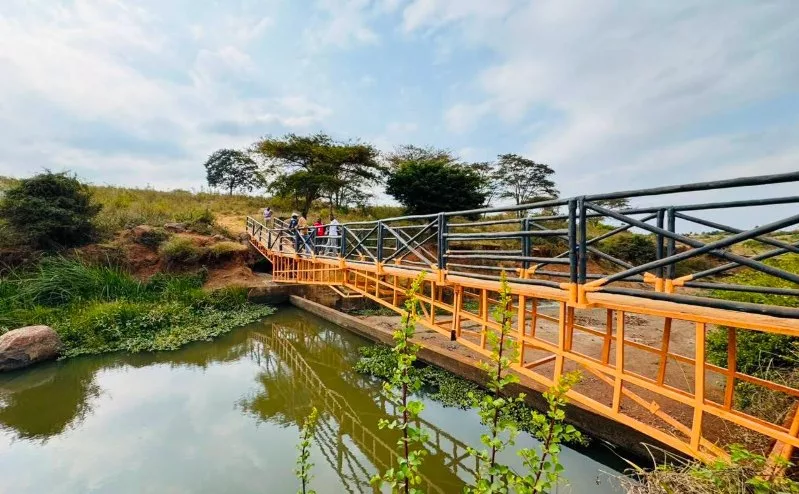
 The new Gikono footbridge in Kakuzi, Gatanga sub-county, will make it possible for residents to safely cross the Nginyi River on August 4, 2026/ ALICE WAITHERA
The Murang'a government has commissioned the Nginyi-Kakuzi footbridge to allow residents to safely cross the Nginyi River, ending years of dangerous crossings, particularly during the rainy season.
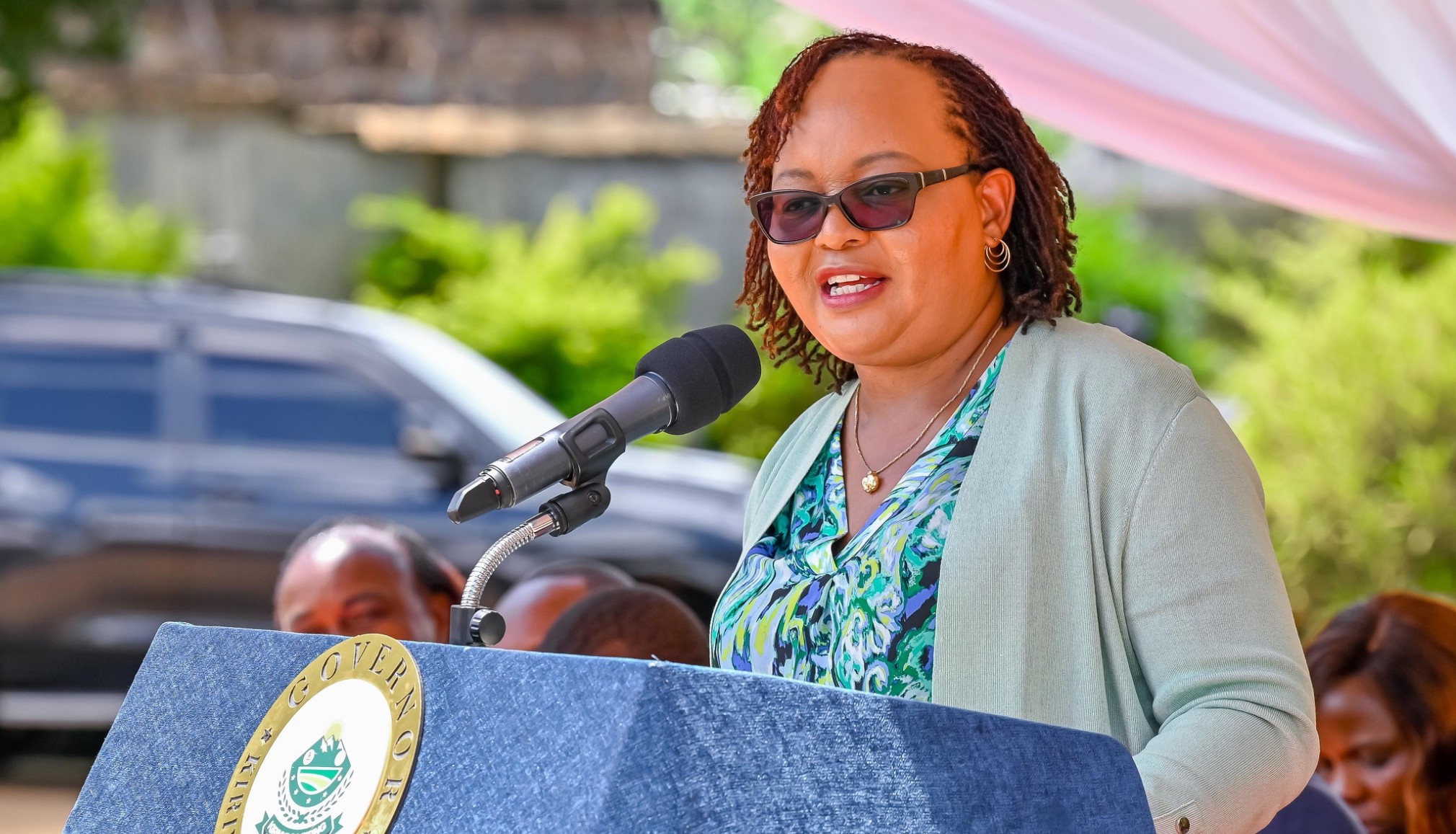
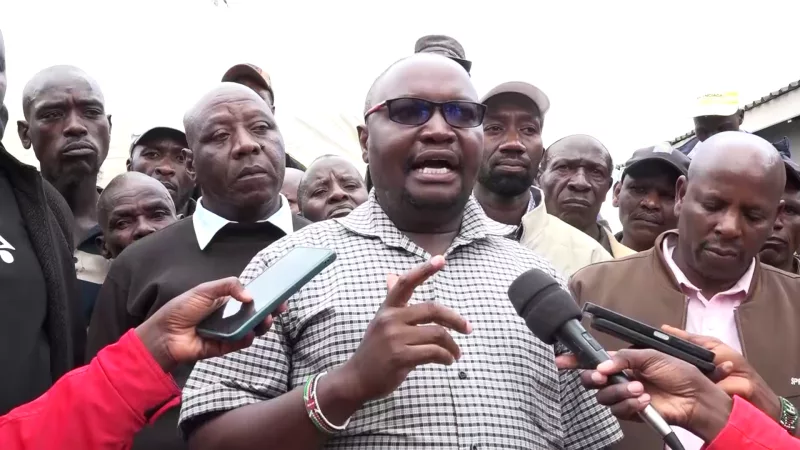
Speaking during the commissioning, Governor Irungu Kang'ata said the bridge reflects the county's commitment to investing in infrastructure that directly improves residents' lives.
"This bridge is a clear demonstration of what can be achieved when leaders work together for the benefit of wananchi," Kang'ata said.
The bridge links Gatanga and Maragua constituencies and is expected to improve movement of people and goods while opening up the economic potential of the Kakuzi-Mitumbiri area.
For years, residents were forced to wade through the river or take longer alternative routes whenever water levels rose, disrupting transport, trade and access to essential facilities such as schools and hospitals.
Kang'ata said the project is part of the county government's broader programme to improve transport infrastructure, enhance public safety and stimulate economic growth.
He said better connectivity will enable farmers, traders and residents to move with ease throughout the year while reducing risks of crossing the river during heavy rains.
The footbridge was built under the ward development programme, a county initiative undertaken in partnership with MCAs, where residents identify and prioritise projects they consider most urgent during public participation forums.
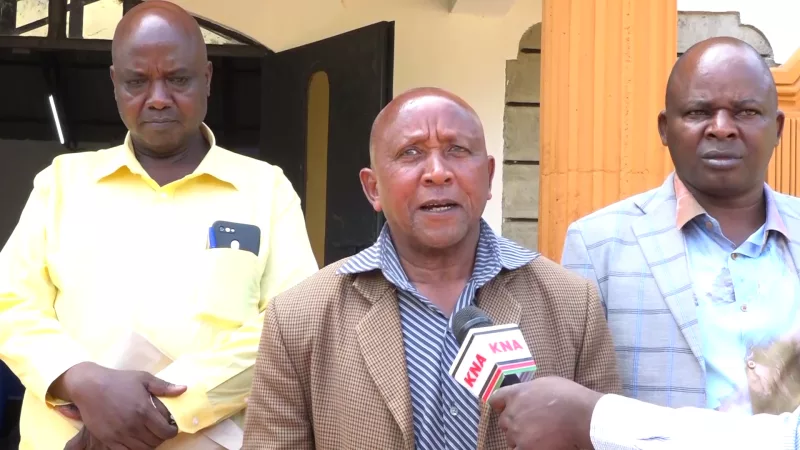
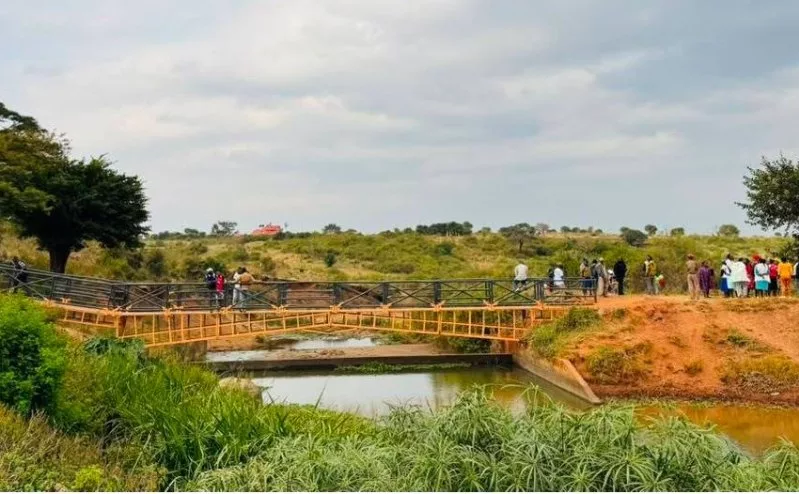 Kakuzi residents in Murang'a county during the commissioning of the new Gikono bridge on August 4, 2026/ ALICE WAITHERA
The approach has helped ensure development funds are channelled to projects that directly address the needs of local communities, Kangata said.
The governor called on residents to understand the distinction between county and national government projects, saying this will strengthen accountability and enable wananchi to engage more effectively in development planning.
"We want residents to know which level of government is responsible for which projects so that leaders remain accountable for the promises they make," he said.
Kakuzi MCA Stephen Muigai said the footbridge fulfils a long-standing commitment to improve infrastructure within the ward, adding that it will transform the lives of thousands of residents who have struggled with crossing the river for decades.
He thanked the county government for prioritising the project, saying improved infrastructure will attract investment, support local businesses and enhance services.
Residents welcomed the bridge, saying it has eliminated one of the
area's most dangerous crossing points.
Peter Kimani, a resident of Kakuzi, said several people had lost their lives while attempting to cross the swollen river over the years, especially during heavy rains.
"For many years we lived in fear whenever it rained because crossing
the river became a matter of life and death. This bridge has restored our
confidence and will save many lives," he said.
Boda boda operators also expressed optimism that the bridge will improve transport services and increase business by providing reliable access throughout the year.
Wilson Njeri, a boda boda rider, said easier movement between Gatanga and Maragua will enable operators to serve more customers while creating new opportunities for traders and farmers.
The county government has continued to invest in roads, bridges and other transport infrastructure as part of its strategy to improve connectivity, promote economic activity and ensure residents access essential services safely and efficiently.
Instant Analysis
The bridge links Gatanga and Maragua constituencies and is expected to improve movement of people and goods while opening up the economic potential of the Kakuzi-Mitumbiri area.
The footbridge was implemented under the Ward Development Programme, a county initiative undertaken in partnership with MCAs, where residents identify and prioritise projects they consider most urgent during public participation forums.