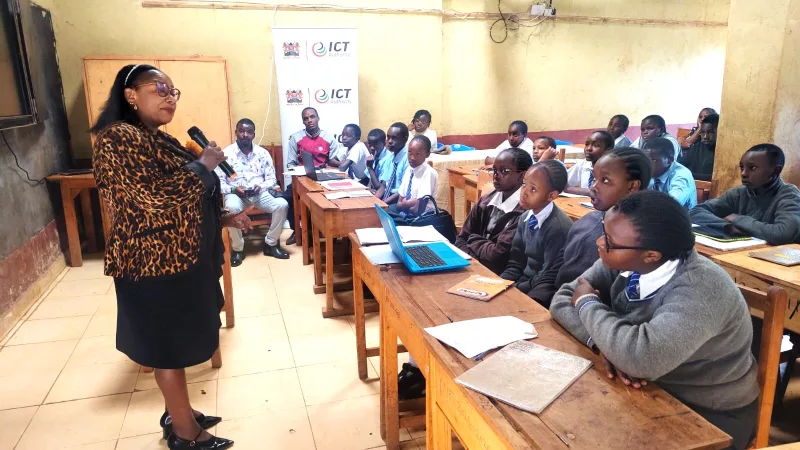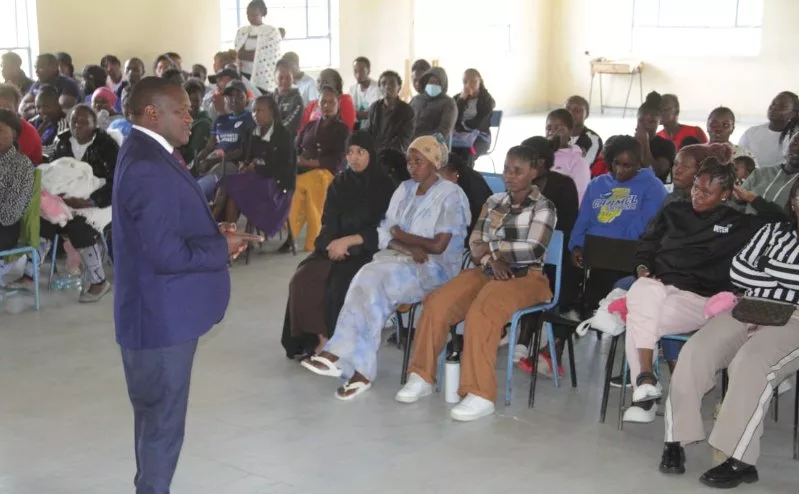
Over 1,100 unemployed young people in Laikipia county have begun a six-month employability programme under the National Youth Opportunities Towards Advancement (NYOTA) initiative.
Read Also
The initiative seeks to prepare them for the job market through life skills training and apprenticeship placements.
The beneficiaries, drawn from all 15 wards in the county, are undergoing a 20-day social and emotional skills training programme before being attached to master craftsmen and institutions for five months of on-the-job experience.
Laikipia Director of Youth Affairs Muigai Wahiro said upon completing the apprenticeship, the trainees will receive certificates from the National Industrial Training Authority (NITA).
This will give them nationally recognised qualifications to improve their chances of securing employment or venturing into self-employment.
Anthony Simiyu, a Project Management Unit Officer with the NYOTA programme, said the initial training is designed to prepare participants for the workplace by building their interpersonal and professional skills.
"Under the social and emotional skills development programme, we will equip them with soft skills and mind education skills so that they understand themselves and learn how to relate with managers and supervisors before they are deployed for five months of on-the-job experience," he said.
The programme targets young people aged between 18 and 29 years, with the age limit extended to 35 years for persons with disabilities.
Trainees will have an opportunity to pursue more than 50 artisan and technical skill areas, including information and communication technology, tailoring, hairdressing, carpentry, bakery and welding, depending on their interests and career aspirations.
Simiyu also encouraged young people who may have missed the current intake to remain hopeful, saying additional opportunities would be communicated once the application portal is reopened.
Laikipia East Deputy County Commissioner Patrick Muli urged the beneficiaries to remain disciplined throughout the training and apprenticeship, saying good conduct would be key to completing the programme successfully.
"I want to encourage our youth to maintain discipline and work hard. Apart from the training they will receive, their upkeep has been taken care of and they will also receive some money for their personal needs. We do not want anyone sent to different institutions to be dismissed because of indiscipline," Muli said.
He expressed concern over the low turnout on the first day of training, saying only about 60 per cent of those expected had reported, and appealed to the remaining beneficiaries to join the programme.
Muli said engaging young people in meaningful training and work experience would help reduce idleness, crime and other social challenges affecting many communities.
One of the beneficiaries, Isabel Makena, described the programme as a life-changing opportunity, particularly for unemployed youth and young mothers.
"This is a very good programme because it is helping young people. You study while everything is catered for, and even young mothers have been accommodated. We are very happy and proud to be part of the NYOTA programme," she said.
The NYOTA programme is a government initiative implemented with support from the World Bank to expand economic opportunities for young people through skills development, entrepreneurship support and work-based learning.
It seeks to address youth unemployment by equipping beneficiaries with practical, market-driven skills, improving access to jobs and supporting self-employment.
Nationally, the programme targets about 120,000 young people under the On-the-Job Experience component, while the wider NYOTA initiative is expected to reach hundreds of thousands of young Kenyans through various interventions, including business support, training and employment programmes.
INSTANT ANALYSIS
The NYOTA programme reflects a shift from short-term youth empowerment initiatives towards structured skills development linked to the labour market. By combining life skills training with workplace apprenticeships and nationally recognised certification, the programme seeks to address the gap between education and employment.
I
ts success, however, will ultimately be measured by how many participants secure jobs or establish sustainable businesses after completing the training. The concern over low attendance also highlights a recurring challenge for government programmes: ensuring eligible beneficiaries take up available opportunities.Long-term impact will depend on sustained funding, industry partnerships and effective monitoring of employment outcomes.