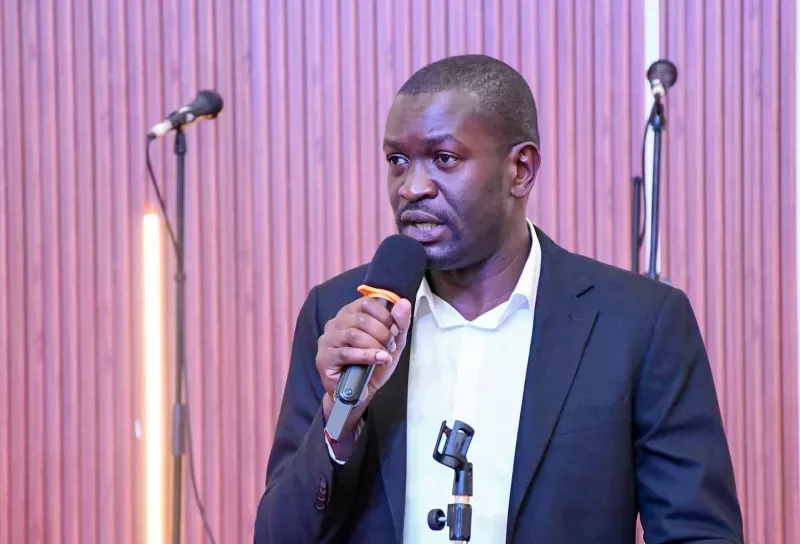
Interior Cabinet Secretary Kipchumba Murkomen has challenged newly graduated Special Operations Group (SOG) officers to step up the fight against terrorism, organised crime and other emerging threats facing the country.
Murkomen said Kenya’s security environment was becoming increasingly complex, requiring specialised officers capable of responding swiftly and professionally to threats that could undermine national stability and economic growth.
Speaking on Thursday during the 11th SOG graduation ceremony at Kamanga Training Camp in Samburu county, the CS said the government was counting on the elite unit to strengthen the country’s preparedness against terrorism, violent extremism, banditry and transnational crime.
The ceremony marked the graduation of officers who had undergone about six months of rigorous pre-selection and specialised training.
“This operational environment calls for proactive counter-strategies and advanced operational readiness such as that of the Special Operations Group,” Murkomen said.
He said terrorist groups, including al-Shabaab, continued to pose a serious threat to Kenya’s peace, development and stability.
According to the CS, the changing nature of security threats means officers must combine courage with intelligence-led operations, advanced technology, continuous training and close coordination with other security agencies.
He was accompanied by NIS Director General Noordin Haji and Deputy IG (AP) Gilbert Masengeli among other senior officers from the NPS and NIS.
Murkomen said the SOG’s responsibilities went beyond counterterrorism, including confronting violent extremism, disrupting organised criminal networks, combating cross-border threats and protecting critical national infrastructure.
The officers could also be called upon to support specialised operations, including hostage rescue missions, where precision, discipline and professionalism are critical.
“The Special Operations Group represents one of the nation's most strategic capabilities,” Murkomen said, urging the officers to remain adaptable and ready to respond to emerging security challenges.
He said the success of Kenya’s security architecture depended on cooperation between agencies rather than isolated operations.
Murkomen cited collaboration between the NIS, NPS, KDF, NGAOs and other security agencies as key to the gains made against terrorism, banditry and transnational crime.
He said such cooperation also created the conditions necessary for economic growth, investment and the implementation of the Government’s development agenda.
“Development flourishes where citizens are safe, businesses operate without fear, and communities live free from violence and extremism,” he said.
The CS linked national security directly to the Government’s Bottom-Up Economic Transformation Agenda, saying development could not succeed in an environment characterised by insecurity and violence.
He said investor confidence, tourism, agriculture and other sectors of the economy depended on a secure environment.
Murkomen praised the graduating officers for their discipline, perseverance and dedication, while also commending instructors for transforming them into a capable specialised force.
He said the SOG had already earned respect through its contribution to the fight against terrorism and banditry, noting that its work alongside other agencies had helped degrade terrorist and bandit networks and restore confidence in affected communities.
The CS reaffirmed government support for security agencies and challenged the new officers to serve with integrity and courage.