Housing in Kenya is too often treated as a matter of cement, steel and paint. That misses the point. At heart, housing is about dignity, security and giving families the stability to plan their lives.
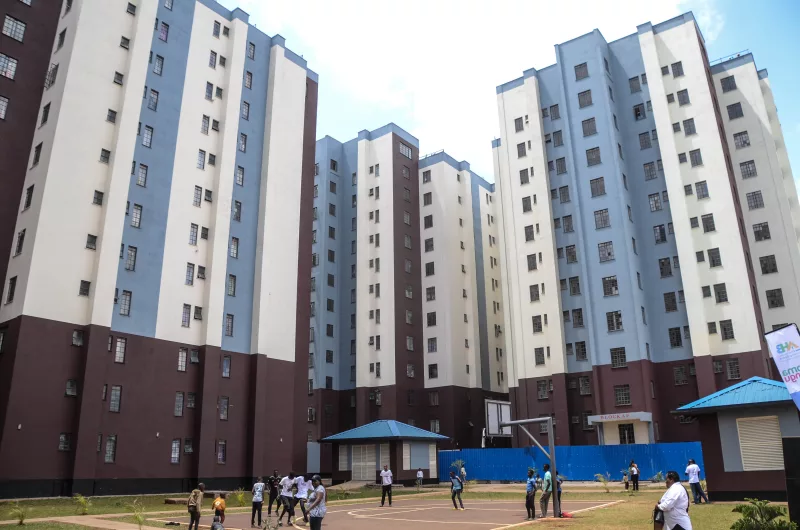
The deficit is still large, at about 200,000 units a year. Urbanisation is moving fast, and with it come higher pressure on land, infrastructure and household incomes. Against that backdrop, the 277,000 affordable units now under construction, with 45,000 targeted by the end of this year, are an important step.
But it would be a mistake to think that concrete alone will solve the problem. Housing is also about financing, land administration, construction and governance. If any one of those breaks down, the whole effort becomes more costly and less effective.
That is why the Affordable Housing Board has had to focus on the system around housing, not just the buildings themselves. Affordable housing must be affordable to build and affordable to buy. That means lower financing costs, stronger public-private partnerships and institutions that can deliver faster and with more certainty.
The Kenya Mortgage Refinance Company has already helped widen access to mortgage finance. That has mattered. So has the digitisation of land records through platforms such as Ardhisasa, which reduces fraud and improves transparency in land transactions. These may sound like technical reforms, but they are what make a housing market work.
There is also the matter of what happens after the houses are handed over. A housing estate is not complete the moment the paint dries. If it is poorly managed, it quickly loses value. That is why professional estate management matters. The onboarding of 19 property managers is part of the effort to ensure these developments remain well maintained, financially sound and liveable over time.
Construction itself must also change. New building methods and locally available materials can cut costs by as much as 25 per cent. That is not a marginal saving. It can determine whether a project moves ahead or stalls. It also creates work across the value chain, from quarrying and cement to transport, electrical work and plumbing.
This is why housing should be seen as part of economic policy, not just a social programme. It creates jobs, supports local manufacturing and gives households a path into asset ownership. For many families, owning a home remains one of the few practical ways to build wealth.
Still, ambition must be matched by execution. The first task is to clear the bottlenecks that delay delivery. The Affordable Housing Board has taken a proactive approach to identifying and resolving the key bottlenecks that delay project delivery. We are working closely with the ministry, the National Land Commission, county governments and other stakeholders to streamline land acquisition, accelerate approvals and strengthen inter-agency coordination. While some challenges remain, these collaborative efforts are steadily reducing delays, lowering costs and enabling projects to be delivered more efficiently.
The second task is to widen the financing base. Pension funds, insurance companies and diaspora capital can all play a bigger role. Through the Boma Yangu platform, the board is developing products that provide the diaspora with a practical pathway to participate in the programme, whether by purchasing homes for themselves and their families or by investing in Kenya's growing affordable housing sector. At the same time, the board has worked closely with pension funds and insurance companies to develop innovative financing products that have reduced the cost of capital on both the supply side, by lowering development financing costs for housing projects and the demand side, by making home purchase financing more affordable and accessible for aspiring homeowners.
The third task is skills. Housing at this scale needs trained workers, supervisors and managers. We are working with technical and vocational institutions, industry partners and other stakeholders to strengthen the pipeline of skilled artisans, supervisors, project managers and estate management professionals required to deliver and sustain affordable housing at scale. This investment in human capital is essential to maintaining quality throughout the housing value chain.
The fourth is sustainability. Affordable housing should not become expensive to live in. Our developments increasingly incorporate sustainable design principles, including energy-efficient building technologies, water conservation measures and the responsible use of construction materials. These initiatives are aimed at reducing the cost of living for residents while promoting environmentally sustainable and resilient communities.
The final point may be the most important. Housing should not be planned for people without listening to them. Through continuous stakeholder engagement and customer feedback, the board is ensuring that the design of housing developments responds to the needs and aspirations of residents. Equally important, our developments are being planned as complete communities from the outset, with schools, health facilities, markets, roads, public transport links, recreational spaces and other essential social infrastructure integrated into the master plans rather than added as an afterthought. This holistic approach is helping to create vibrant, liveable and sustainable neighbourhoods that will serve generations to come.
CEO, Affordable Housing Board