Kenyans have long cast their ballots based on campaign promises, only to watch their real priorities overlooked once leaders take office.
Now, a civic movement is seeking to reverse that trend by urging citizens to draft their own manifestos so that political aspirants commit to delivering on community needs.
Spearheaded by the Justice, Advocacy and Empowerment Centre (JAEC), the campaign aims to place citizens at the centre of governance by ensuring leaders respond to priorities identified from the ground up, rather than presenting personal agendas that may miss the mark.
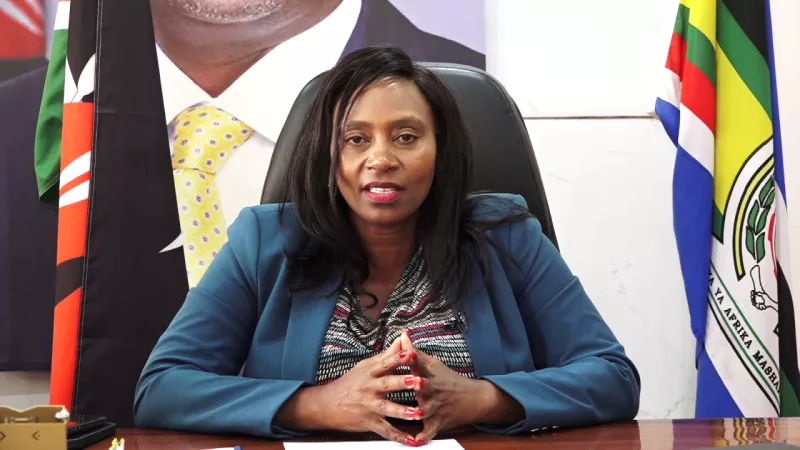
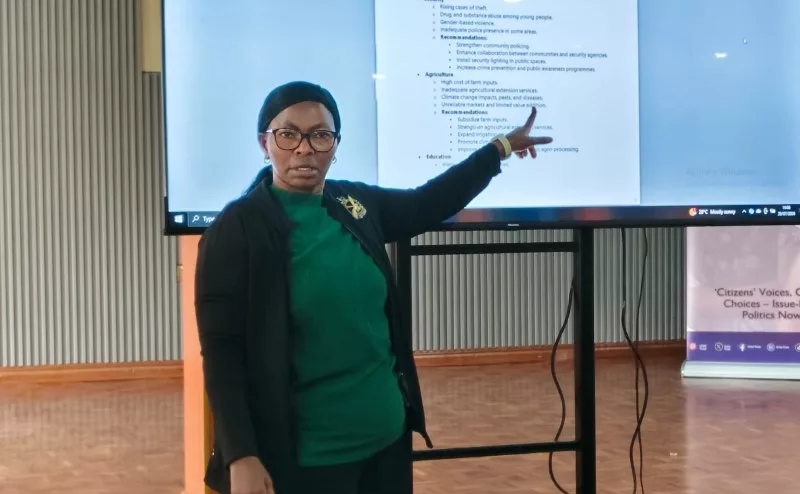
"We want to shift our politics to us giving our demands and leaving the question of how those demands will be met to the politicians when they come looking for our votes," JAEC executive director Reginah Mwangi said.
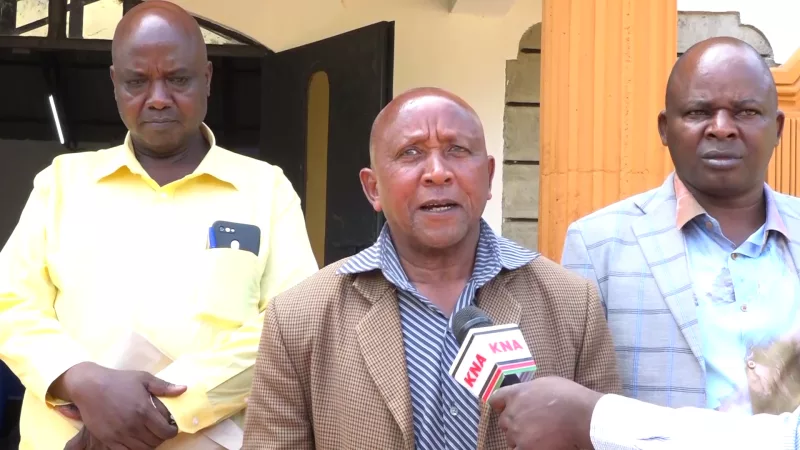
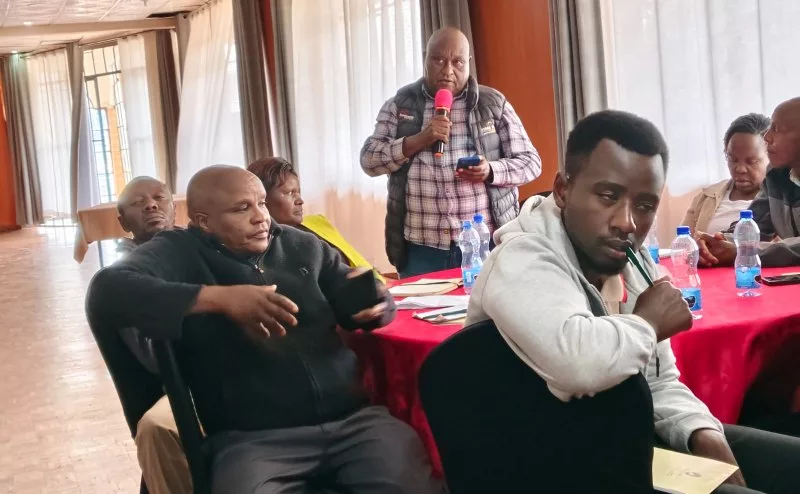
She spoke during a public validation forum in Murang'a town on Monday.
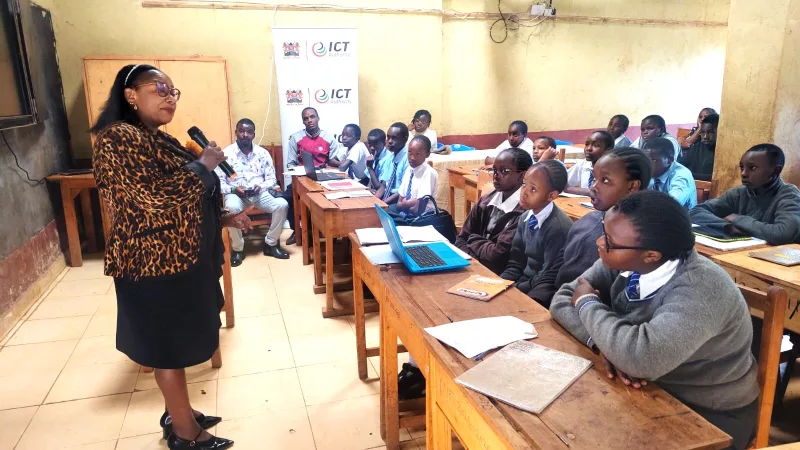
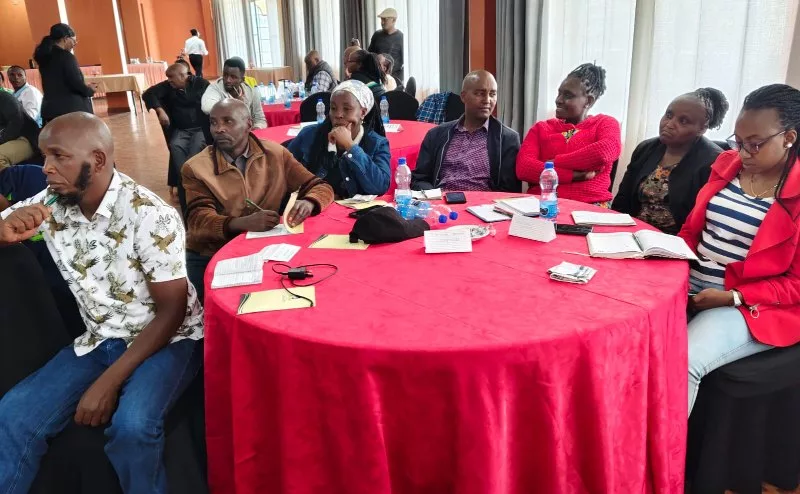
The forum, supported by Uraia Trust through the Electoral Law and Governance Institute for Africa (ELGIA), brought together residents, civil society groups, security officials and governance stakeholders to identify and validate issues they want incorporated into a people's manifesto ahead of next year's general election.
Mwangi said the document would become an advocacy tool that citizens can use to engage leaders before elections and later measure whether elected representatives have fulfilled the commitments they made during campaigns.
She said issue-based politics will improve service delivery by compelling
candidates seeking positions as governors, senators, Members of Parliament,
women representatives and MCAs to explain how they intend
to address specific community priorities.
Participants said many Kenyans have become frustrated because governments at both the national and county levels often implement projects that communities neither requested nor prioritised, while pressing needs remain unresolved.
They cited stalled and ghost projects inherited from previous administrations, saying billions of shillings have been sunk into incomplete developments that have delivered little value to taxpayers.
The residents argued that future development should be driven by documented community priorities rather than political interests, saying this would reduce wastage of public resources and improve accountability.
Among the priorities identified during the forum was the establishment of mental health facilities beginning at the ward level, with participants warning that poor mental health has become a growing social and economic challenge affecting families, productivity and livelihoods across the county.
They also called for the establishment of a fully equipped cancer treatment centre in Murang'a, saying many patients continue to travel long distances in search of specialised treatment, increasing the financial burden on already struggling families.
"If we want proper healthcare, then we need a manifesto that talks about exactly what we want and present a memorandum on it," Mwangi said.
Youth empowerment also featured prominently during the discussions, with participants proposing the creation of a revolving fund to support young entrepreneurs, enabling them to establish businesses, create employment opportunities and reduce dependence on the shrinking formal job market.
Residents urged governments to subsidise primary education, arguing that the rising cost of learning materials and school requirements continues to deny children from vulnerable households equal access to education.
The forum also raised concerns over the country's growing public debt, with participants warning that poor debt management at both the national and county governments threaten future development.
They cited Kenya's public debt, which has surpassed Sh12 trillion, alongside Murang'a county's debt burden of more than Sh800 million reported last year, calling for greater accountability in the use of public funds.
Mwangi said effective public participation remains the strongest avenue through which citizens can influence government decisions. She urged residents to actively attend chiefs' barazas, county budget hearings and other public forums where development priorities are discussed.
"Anything that is not documented does not exist. As people attend public participation forums, they should also present written memorandums so there is a record that can be followed up," she said.
She said documenting community priorities would make it easier to determine whether they are reflected in development plans and county budgets, while providing a benchmark for assessing leaders' performance after elections.
The discussions also examined security, electoral governance and the efficiency of public institutions, with participants calling for stronger collaboration between citizens and government agencies to improve transparency, accountability and service delivery.
"We need to change the narrative from euphoria, political parties and tokenism and make our politics issue-based so leaders understand exactly what Kenyans expect from them," Mwangi said.
Instant analysis
The initiative reflects growing public frustration with personality-driven politics and unfulfilled campaign promises in Kenya. By encouraging communities to draft their own manifestos before the 2027 General Election, civil society groups are seeking to shift political competition from rhetoric to measurable commitments. If embraced widely, the approach could strengthen accountability by giving voters a benchmark against which to assess elected leaders. It also reinforces the constitutional principle of public participation by encouraging citizens to influence development priorities before budgets and policies are formulated. The challenge, however, will be translating locally agreed priorities into binding political commitments and sustained post-election accountability.